
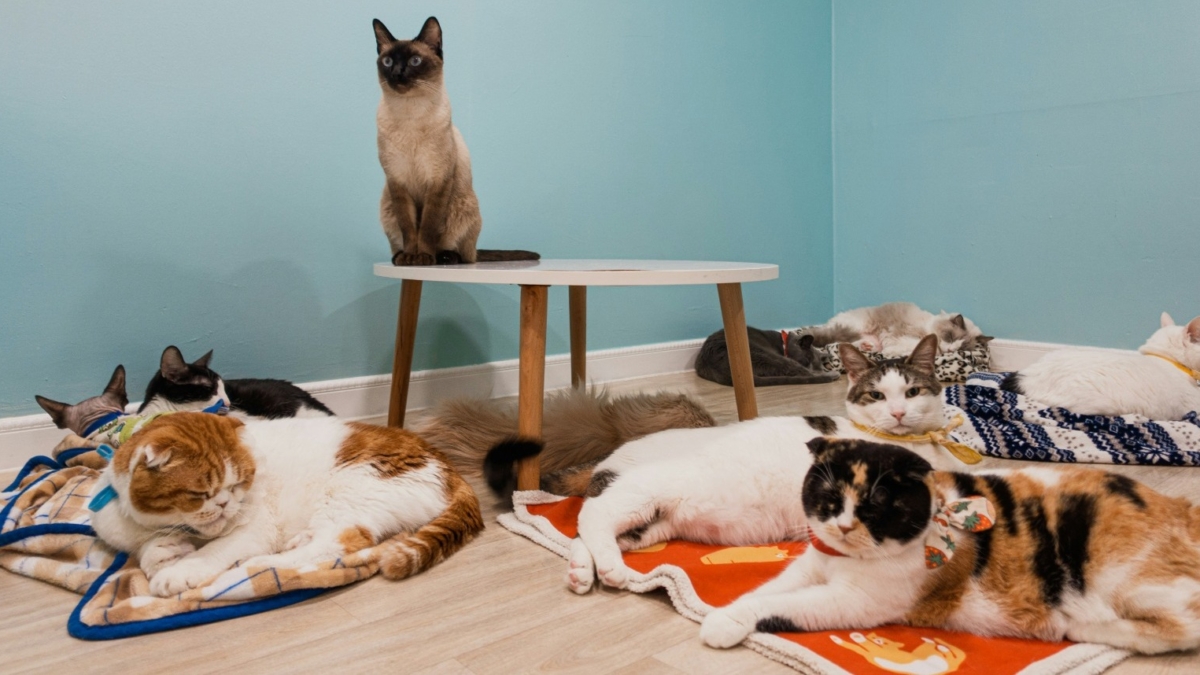
The exotic animal trade is a huge industry. Illegal trade in protected animals is one of the largest criminal markets after arms and drugs. The world of exotic pets is exciting.Exotic animals belong in the wild, not kept as private pets. These animals are inherently wild and potentially dangerous, and as such do not adapt well to a captive environment.
The American Veterinary Medical Association has expressed opposition to the possession of certain exotic animals by individuals.
The United States Department of Agriculture (USDA) has also expressed opposition.
The Centers for Disease Control and Prevention (CDC) have expressed the same concern.
Exotic animals are not good companions. The World of Exotic Pets is full of unique and fascinating animals for enthusiasts to explore.They require special care, housing, food and maintenance that the average person cannot provide. When in the hands of private individuals, animals suffer due to poor care. If you are interested, read the article till the end.
Some precautions for keeping Exotic Pets
Legality
Exotic pet ownership, along with the associated regulations and laws, presents a complex landscape. In the United States, federal regulations govern endangered species and animals that pose risks to human health, the environment, or agriculture. Additionally, regulations regarding exotic animal ownership vary by state, county, or city level. Many of these laws are created to promote the protection and assurance of public and environmental safety. It is essential for individuals to know and comply with applicable laws at all levels of government.
Public health
All domestic animals carry some risk to human health through disease transmission or physical injury. The world of exotic pets offers many fascinating animals for people to admire and care for. Understanding the animal’s background, disease risk Axolotls do not pose much of a risk to humans when it comes to our health. Like all exotic animals, they can still spread zoonotic diseases, but generally ones that are easily avoidable and treatable, such as salmonella. And they don’t have physical properties that could harm a person.
Invasiveness
The exotic pet trade helps spread invasive species and causes major biodiversity loss.
It can also create serious economic damage to agriculture and fisheries.
Invasive species entering axolotls’ native range contributed to their decline in the wild.
Releasing pet axolotls can harm ecosystems and threaten native salamander species.
If you cannot keep your pet, contact a rescue center, zoo, veterinarian, or trusted caretaker.
Do not post your animal for sale online and never release it into the wild.
Welfare
Some exotic animals require a specific environment and care that most families cannot provide. To ensure their well-being, we need to think about their food, environment, health care, social interaction, mental stimulation and exercise. If axolotls bring you joy, wouldn’t you want to ensure their happiness as well? They seem to be smiling all the time, but taking care of the diet and water quality in captivity is quite demanding. For this reason, people usually do not recommend them as pets.
People should also avoid touching axolotls and other amphibians, as it can stress them and damage their protective layer.
If you want a pet that you can pet and that is easier to take care of, this is not the right choice.

Animals Suffer During Capture and Transport
Traders remove animals from their homes in Australia, Africa, and Brazil for the pet market.
They transport them under harsh and stressful conditions.Traders tape parrots’ beaks and feet and squeeze them into plastic tubes to hide in luggage. They hide stolen bird and reptile eggs in special vests to pass airport X-ray machines.Traders glue baby turtles into their shells and stuff them into tube socks.
They place baby pythons in CD cases. Many of them will die before they arrive.
Conclusions
To conclude, even though more and more people are adopting exotic pets, it doesn’t mean they fully understand how to meet their needs. Many owners do not realize how difficult it can be to care for these animals. Some pets, such as parakeets, parakeets, rabbits and guinea pigs, may be suitable if the owners are educated about their care. However, larger exotics such as parrots, reptiles and amphibians can be quite challenging. Lack of detailed information and specialized veterinary services can lead to serious problems for these pets. Unlike the wealth of information available about cats and dogs, exotic animals are often overlooked. It is imperative that prospective owners thoroughly research and consider whether they should keep a truly exotic animal.
Add a Comment