

Exotic pets are animals that are not native to a region or are wild. They are becoming more popular. Some people like them because they are different. But others worry about the animals and the risks. Here you learn the Exotic Animals as Pets articles to know about them.
Researchers have studied exotic pets. They have learned about the animals’ health, diseases, and the environment. Many exotic animals are not happy in captivity. They are stressed, bored, and have bad living conditions. Some can also be dangerous to people.
People have different opinions about exotic pets. Some think responsible owners can help animals. Others think the risks are too big. As more people want exotic pets, we need to think about ethics and keep the animals safe.
What is an exotic pet?
An exotic pet is a pet that is relatively rare or unusual to keep or is generally considered a wild species rather than a pet. This may include reptiles, amphibians, insects, arachnids and some mammals or birds.
Examples of exotic pets
- Reptiles Snakes, lizards, turtles
- The amphibian frog
- Insects, butterflies
- Arachnids tarantulas, scorpions
- Mammals Hedgehogs, sugar gliders
- Birds parrots
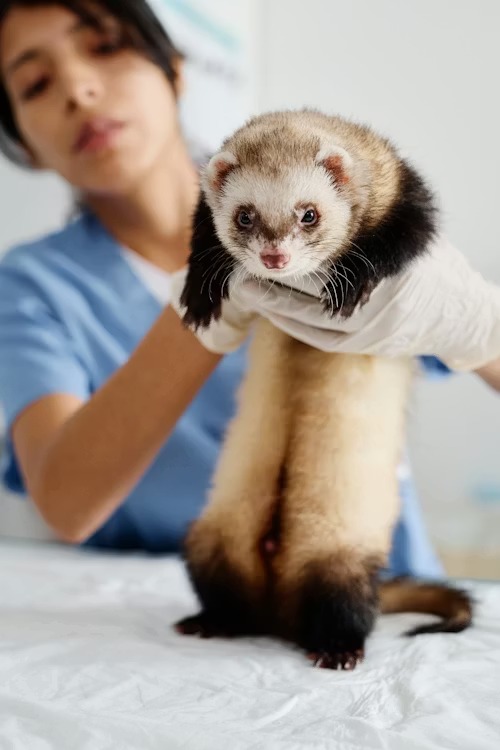
Where do exotic pets come from?
Wild: Some exotic pets are captured from the wild. This practice is often harmful to the animal and can disrupt ecosystems.
Breeding facilities: Many exotic pets are bred in captivity. This can be a more ethical option if the animals are well cared for.
Pet stores: Some pet stores sell exotic animals. However, it is important to choose a reputable store that can provide information on the animal’s care and health.
Online retailers: Exotic animals can also be purchased online. However, this can be risky, as there is no way to know the quality of the animal or the seller.
What are the risks to humans who own exotic pets?
Exotic pets can be dangerous. Many retain their wild instincts. This can lead to injuries. Large parrots like macaws have hurt owners. Even small reptiles, like turtles, can spread dangerous bacteria. Apes, such as chimpanzees, are the most dangerous exotic pets. They are incredibly strong. They can also give humans serious diseases.
What are the risks to exotic pets in captivity?
Even when exotic pets survive the journey from the wild or breeding facilities, many die soon after arriving home. This is because owners often lack the knowledge or money to create a suitable habitat. Small pets like hedgehogs and sugar gliders can be easily crushed. Birds can fly away and die in cold weather. Veterinarians don’t always treat exotic animals. This makes getting care difficult.
How does the exotic pet trade harm the environment?
Taking exotic species from the wild can harm the breeding population. Exotic animals can also damage the ecosystem when released. For example, pythons released in Florida have harmed birds. These non-native pythons thrived in Florida’s climate. They reproduced and ate birds that had no defences against them.
Understanding Exotic Pets
Keeping pets is not about cats and puppies. It includes a whole lot of creatures, like reptiles, birds, and small mammals. Each sort of pet has its very own unique trends and care needs. Reptiles need particular environmental situations. Birds must have social interaction and intellectual stimulation. Small mammals need proper diets and spacious enclosures. Understanding and meeting those desires is vital. It guarantees the well-being of extraordinary pets. It allows you to build a sturdy bond between you and your pet.
Nutrition
Malnutrition and its problems are often seen in animals. The right weight loss program is essential for your puppy’s health. Many illnesses arise from missed meals in rabbits, parrots, chickens, puppies, and cats. Their diet affects their health and lifespan. All these relate to nutrition. Vegetables and sparkling water are also very important for them but in the right amounts. Everyone’s nutritional wishes are one of a kind. Some eat vegetables, some plants. Some are carnivores, some eat insects. It can also result in life-threatening diseases. So, we should meet all their nutritional needs. Which is suitable for them.
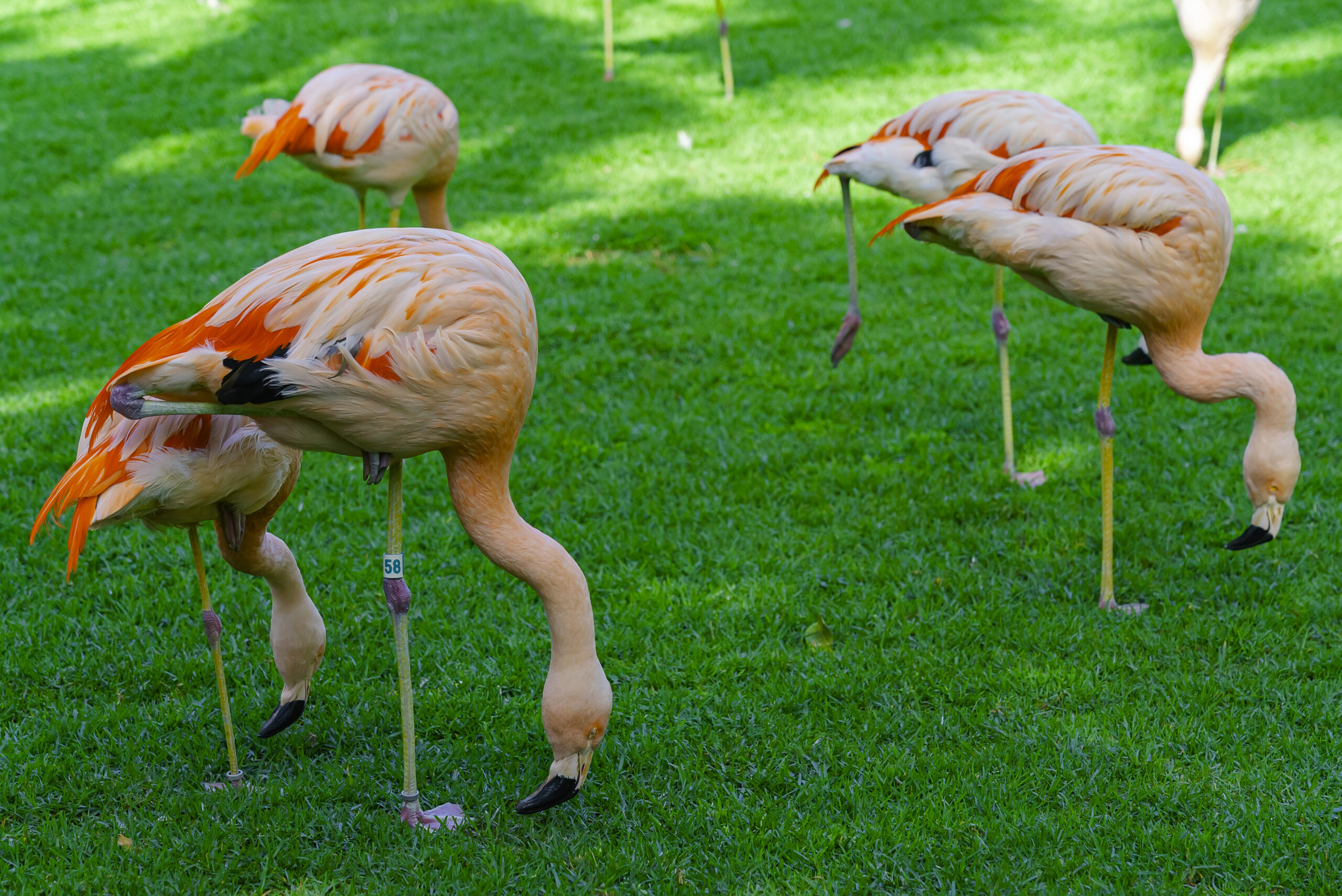
Regular healthcare
Get regular vet check-ups to prevent diseases and solve your pet’s health issues. Help them grow up. Protect their health, including their eyes, nose, and skin.
- wellness and problem-based appointments
- digital radiography
- soft tissue and orthopaedic surgery
- Nutrition, behavioural, and husbandry counselling
- Avian, small mammals, and reptile boarding
- an in-house laboratory that provides many diagnostic test results
exotic pet boarding wing, beak, and nail trims
Is it wrong to own an exotic pet?
- Exotic pet ownership comes with risks, expenses, and time commitment, and often requires permits.
- Many exotic pets cannot return to the wild after being raised in captivity.
- Exotic animal rescues often have animals seeking responsible homes.
- Before getting an exotic pet, ensure you have the knowledge, skills, time, and resources to care for it.
- Some species, like lions, primates, and tigers, should never be kept as pets.
How Can I Help Exotic Animals in the Wild And in Captivity?
- If you choose an exotic pet, take all precautions to ensure the animal cannot harm humans, himself/herself, or other animals.
- Follow all laws regarding the ownership of exotic pets.
- If you choose an exotic pet, always adopt from a reputable rescue.
- Never release exotic species into the wild.
- Inform your friends and family members about the problems associated with the exotic pet trade.
Tips for Choosing Exotic Pets
Here are a few hints for deciding on Exotic Animals as Pets articles and unique pets:
Research: Learn approximately the animal’s wishes and conduct.
Space: Make certain you have sufficient room for the puppy.
Diet: Confirm you can provide the proper meals.
Health: Understand not unusual health issues and care wishes.
Legal: Check if the puppy is permitted in your region.
Cost: Calculate the price of purchase and ongoing care.
Time: Ensure you have time for proper care.
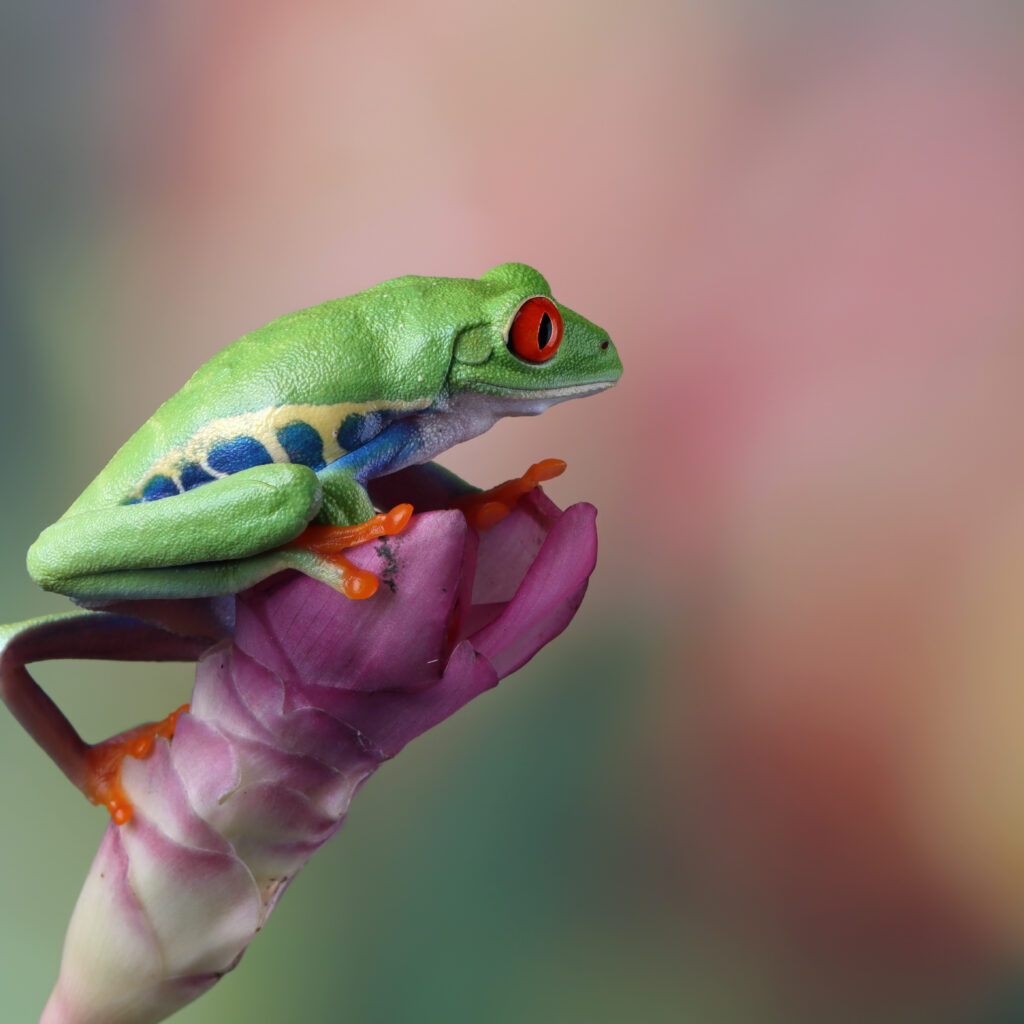
Unique characteristics of exotic pets
Here are some unique characteristics about Exotic Animals as Pets articles.
- Exotic pets look very distinctive from not unusual pets.
- They frequently want unique diets, like insects or particular flora.
- Their behaviours can be precise, together with being active at night.
- They require precise residing conditions, like special temperature or humidity.
- Some have long lifespans and want long-term care.
Care Requirements for Exotic Pets
Habitat: Set up the proper residing space with the right temperature and humidity.
Diet: Give the precise meals they need.
Health: Watch for illness and visit a unique vet.
Exercise: Provide space and sports for movement.
Enrichment: Add toys and hiding spots to keep them lively.
Conclusion
Exotic Animals as Pets articles like reptiles, birds, and small mammals are becoming more popular. However, owning them comes with big risks and responsibilities. Many of these animals suffer in captivity because owners don’t provide the right food, habitat, or healthcare. Some exotic pets can hurt people or spread diseases. Catching and selling exotic animals also hurts wild populations and damages ecosystems. Before getting an exotic pet, you need to check local laws, understand the costs, and be ready to commit. It’s important to adopt from trusted rescues and never release them into the wild. Owning an exotic pet requires research, effort, and care to keep both the animal and people safe.
Add a Comment