
Exotic pet cats have been the source of attraction among animal lovers in the United States as far as decades ago. Caring for exotic pet cats in the USA requires specialized knowledge, space, and financial commitment.These cats with their wild beauty, bold patterns and eccentric personalities present an experience that is way beyond other domestic breeds.
Nevertheless, it is not as easy as just taking home a regular house pet, and owning an exotic cat. The law, special attention, and ethics are all important factors in determining whether an exotic feline would be the right pet to own.
Today we are going to discuss exotic pet cats in the USA such as legal species, state laws, care requirements, cost, risks and responsible ownership issues.
What Are Exotic Pet Cats?
Exotic pet cats are usually wild or hybrid species of cat that are not taken as the traditional domesticated house cats. These may include:
Wild cats (servals, caracals, etc.)
Crossbreeds made between domestic cats and wild cats (such as Savannah cats) i.e. hybrids.
Unusual or rare domestic breeds which are similar to the wild cat.
Exotic cats also can be very wild in their instincts, full of energy, and exhibiting special environmental requirements unlike fully domesticated breeds that have co-evolved with humans over thousands of years.
In the USA, Legal of the USA
It is simply indispensable to know the law of the state and the local law before thinking about ownership.
Federal Laws
In the United States, the laws which regulate some exotic animals under the federal government control include:
- The captive Wild Life Safety Act.
- The Lacey Act.
- Breeders and exhibitors licensing by USDA.
Nonetheless, pet ownership laws belong mainly to the jurisdiction of the states.
State Laws Vary Widely
There are various laws on exotic pet cats in each state:
- Other states do not allow any wild cats (e.g., California).
- Others permit ownership by permit (e.g. Texas, county-dependent).
- Other ones permit some hybrid breeds but do not permit totally wild species.
- Minimal restrictions exist in a few states.
Also, counties and cities can have more restrictive regulations as compared to the state.
When buying any exotic cat you need to:
- Check state laws.
- Check ordinances of counties and cities.
- Confirm zoning regulations.
- Make good permits and papers.
Lack of compliance may lead to seizure of the animal and criminal punishment.
Exotic Pet Cats Popularities in the USA.
Let us have a closer look at two of the most popular kept exotic cats and hybrid cats.
1. Savannah Cat
One of the most popular exotic hybrid cat in the USA is the Savannah cat.
Origin
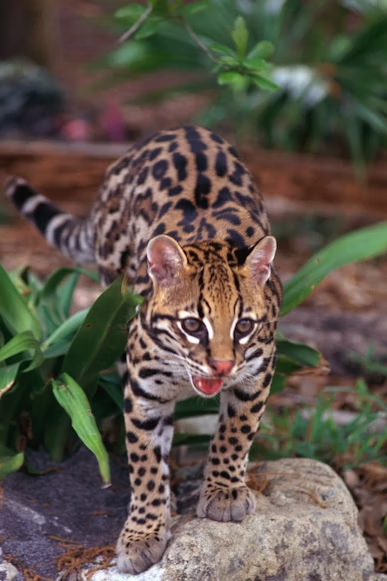
The Savannah cats are an interbreed of a domestic cat and serval (a wild African cat).
Appearance
- Tall, slender body
- Large ears
- Flecked coat Cheetah-like.
- Long legs
Temperament
- Intelligent and energetic
- Loyal and dog-like behavior
- Needs a huge amount of stimulation.
Legal Status
Legality is a matter of generation:
- F1-F3 (more akin to wild serval) are limited in numerous states.
- Subsequent generations (F4-F7), are more liberated.
Care Requirements
- High-protein diet
- Large space for exercis
- Babies Toys and enrichment.
- Secure environment
The savannah cats will range between 1000 and 20000 dollars depending on the generation.
2. Bengal Cat
Another hybrid breed that is much desired is the Bengal cat.
Origin
The Asian leopard cat and a domestic cat had a cross.
Appearance
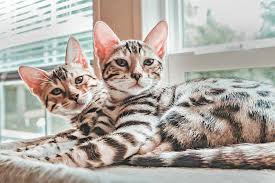
- Rosetted or marbled coat
- Muscular build
- Shimmering fur
Temperament
- Playful and energetic
- Highly intelligent
- Adventurers on the climbing and water play.
Legal Status
In most states, later generations are lawful; however, the early generations might be limited.
Care
- Vertical climbing space
- Mental stimulation
- Regular exercise
Bengals are usually easier to domesticate as compared to wild hybrids with a higher percentage.
3. Serval
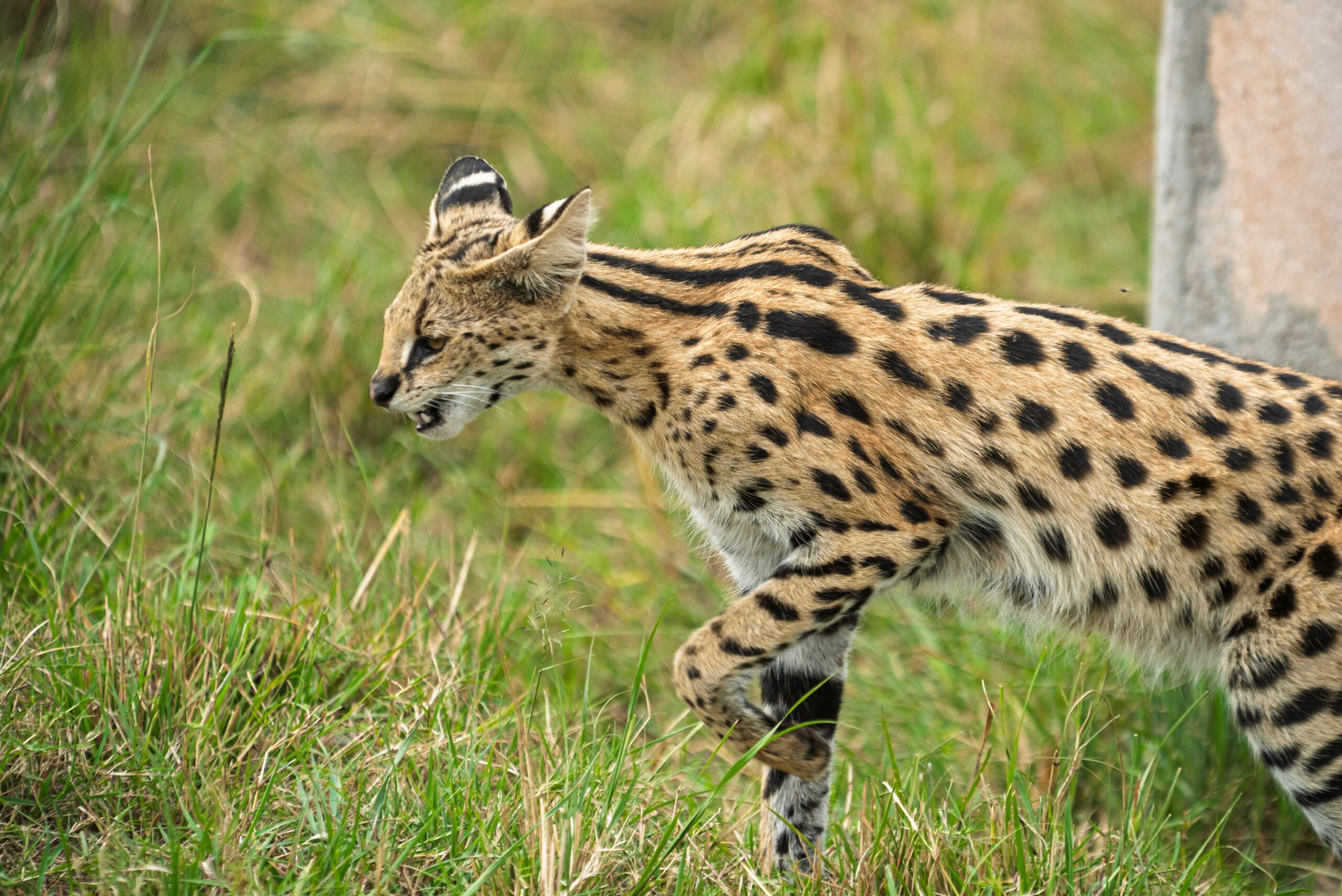
The serval is a medium size wild African cat.
Characteristics
- Long legs
- Large ear
- Spotted golden coat
- Excellent jumper
Behavior
- Strong hunting instincts
- Territorial
- Demands professional treatment.
Legal Issues
Servals are either unlawful in lots of states or illegal with authorization.
Care Challenges
- Raw meat diet
- Large outdoor enclosure
- High veterinary costs
- High level of scent marking.
Servals cannot fit into the average households and consume a lot of resources.
4. Caracal
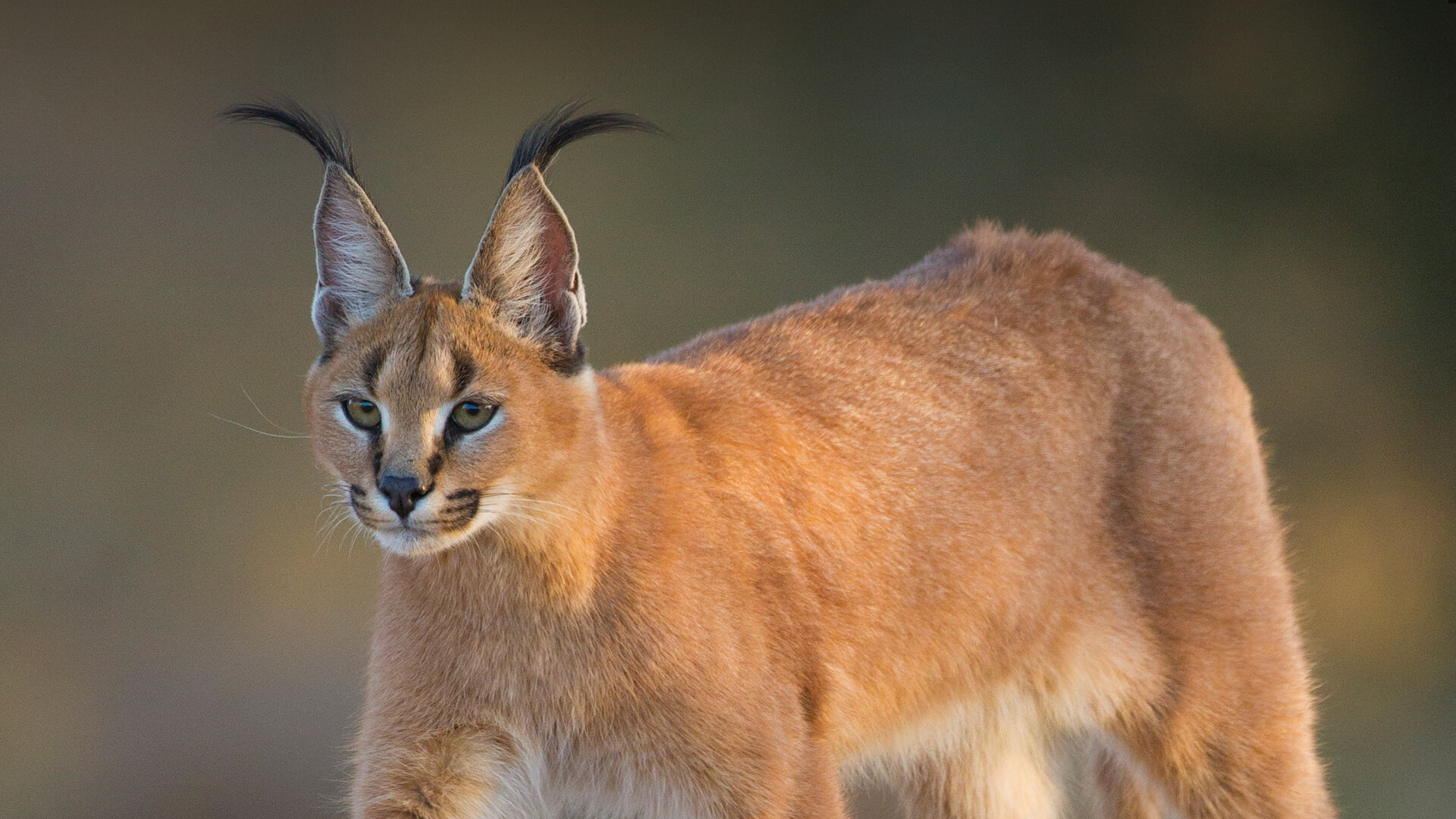
The caracal is famous in its black ear tufts.
Features
- Medium-sized wild cat
- Athletic and powerful
- Short reddish coat
Temperament
- Not fully domesticated
- Strong prey drive
- Can be unpredictabl
Legal Status
Outlawed in most states; licensing in those permissible.
Ownership Reality
Caracals need:
- Secure enclosures
- The specialized treatment of the veterinary services
- Seasoned exotic animal operators.
They do not suit the average pet owners.
5. Chausie
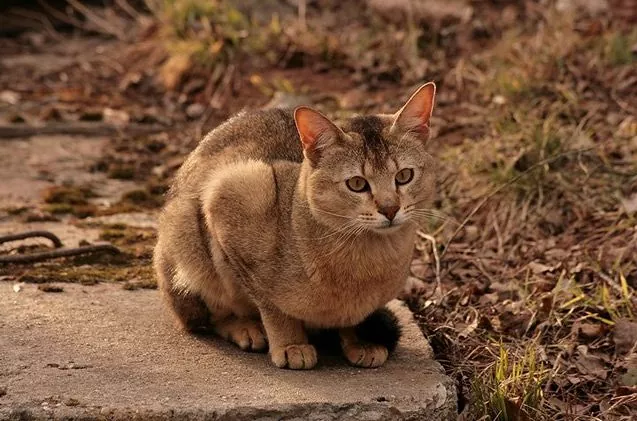
The Chausie is a breed of domestic cats mixed with the jungle cats.
Traits
- Lean, athletic body
- Short coat
- Energetic personality
Temperament
- Social but independent
- Highly active
- Needs space
The chausies are legal in most states and can be a more manageable alternative to the wild hybrids with higher percentages.
6. Bobcat (Occasional but Rare)
Wild cats found in North America are bobcats.
Challenges
- Large territorial range
- Powerful predators
- Complex behavioral needs
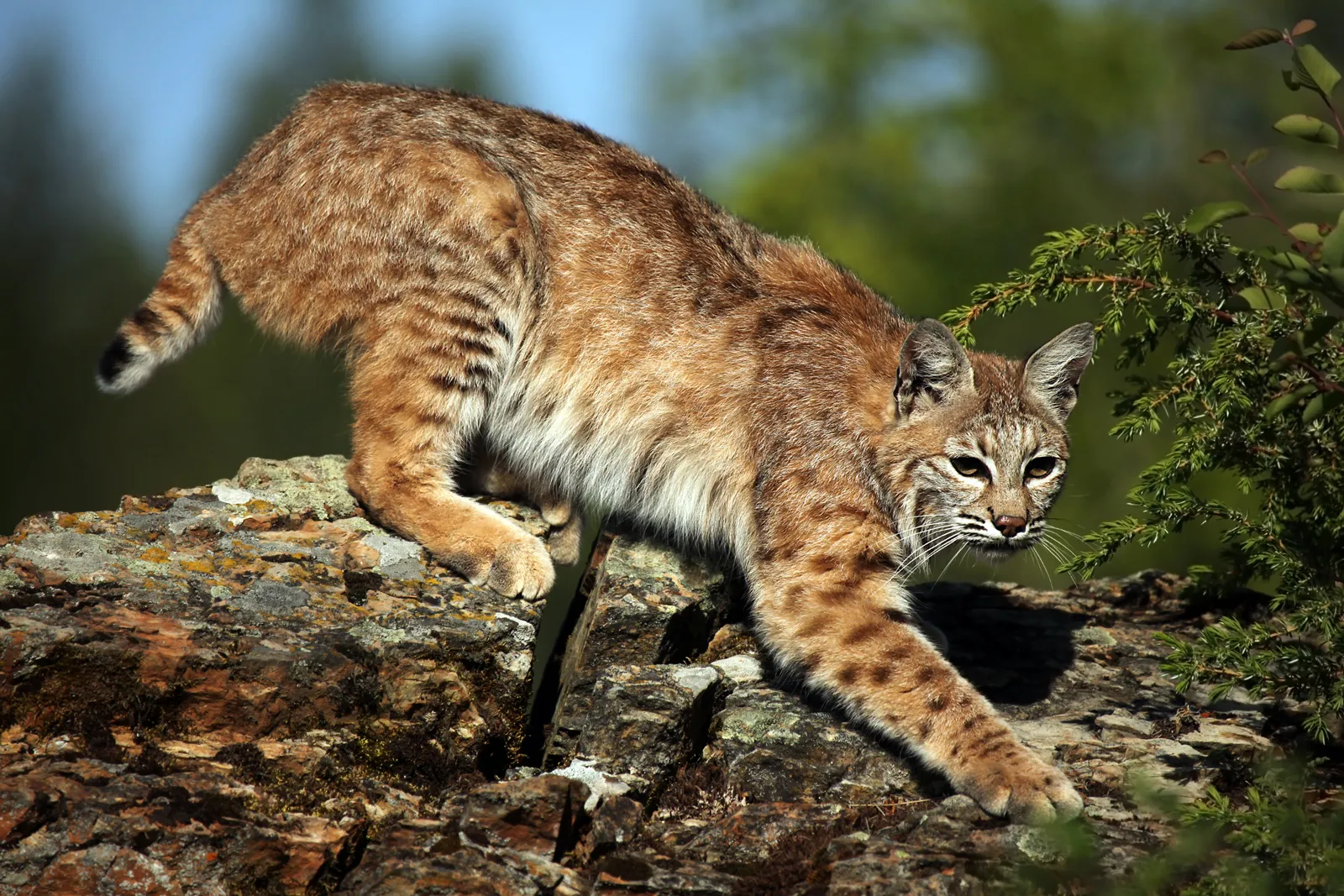
There is strong limitation in ownership and it is mostly limited by special licensing. They are hardly appropriate as domestic animals.
The Care Needs of Exotic cats
The exotic cat of the pet is much more demanding in ownership than the ordinary domestic cat.
1. Space and Enclosures
Most exotic cats require:
- Large outdoor enclosures
- Secure fencing
- Escape-proof housing
- Climbing structures
Forced indoor only environment is generally inadequate.
2. Diet
Many exotic cats require:
- Raw meat diets
- Whole prey items
- Supplements
- Strict nutritional balance
Malnutrition may result in extreme health problems.
3. Veterinary Care
Not every veterinarian is involved in the treatment of exotic species.
Owners must:
- Locate an exotic animal vet
- High medical cost budget.
- Anticipate a dearth of emergency resources.
The cost of medical practices can be astronomical.
4. Behavioral Management
Exotic cats:
- Mark territory
- Scratch aggressively
- Exhibit strong prey drive
- May will be destructive when bored
The enrichment and training are the prerequisites, which do not make wild instincts extinct.
Ethical Considerations
Keeping exotic pets is a question of serious ethical consideration.
1. Animal Welfare
Wild animals:
- Naturally not adjust to domestic life.
- Get stressed out in enclosed areas.
- May experience behavior disorders.
Even hybrids may still possess wild characteristics that will make it difficult to be captured.
2. Public Safety
Large exotic cats pose:
- Injury risk
- Escape risk
- Threat to local wildlife
The wrong containment may result in hazardous circumstances.
3. Conservation Impact
Narcissistic breeding and trafficking:
- Harm wild populations
- Disrupt ecosystems
- Promote breeding that is immoral.
Good sourcing must be responsible.
Costs of Owning an Exotic Cat
Exotic pet cats demand a huge amount of money.
Initial Costs
- Purchase price: $1,000 to $20,000+
- Enclosure construction: $5,000 to $50,000+
- Permits and licensing fees
Ongoing Costs
- Specialized diet
- Veterinary care
- Insurance
- Repairs and enrichment
It is easy to have it in the tens of thousands of dollars throughout a lifetime.
Risks and Challenges
Before you think of ownership; here are the risks:
- Legal penalties
- Animal confiscation
- Insurance complications
- Housing restrictions
- Travel limitations
- Difficulty rehoming
Most sanctuaries have accepted surrendered exotic cats because of strained owners.
Another way of owning a Wild Cat.
Assuming you love exotic cats, but would get a safer one:
Home Breds that have Wild Appeals.
- Maine Coon
- Ocicat
- Egyptian Mau
- Abyssinian
These breeds are beautiful with no excessive care requirements.
Wildlife Sanctuaries Support.
You can:
- Volunteer
- Donate
- Sponsor animal
- Tour certified facilities.
This will help in conservation without adding to risky individual ownership.
Is an Exotic Cat Right for You?
Ask yourself:
- Am I conversant with state and local laws?
- Can I afford lifetime costs?
- Do I have adequate space?
- Am I ready to crazy actions?
- Is my community vulnerable to any possible dangers?
The answer may be no, and that is alright, to the majority of families.
Conclusion
Exotic pet cats in the USA is an interesting yet a complicated world of animal ownership. Although some species of wild cats such as Savannah and Bengal cats have become popular, the real wild cats such as servals, caracals and bobcats need specialized care, vast resources and legal adherence.
The desire to own an exotic cat is not all about having a beautiful animal in the home. It is a great responsibility, lots of money investment, and profound knowledge of the animal welfare and safety. Legislations are different in many states, and ethics is still a significant aspect of the discussion on the issue of private ownership.
To most animal lovers, conservation work or adoption of a domestic breed that closely resembles wild cats could be a better and more responsible decision to make.
Research is required to make any decision, a consultation with the local authorities and a good assessment of your ability to fulfill the multi-layered needs of such extraordinary animals.
Exotic cats are beautiful and fascinating- they should be allowed to live in an environment that gives them respect on their instincts, safety and health.
Add a Comment