Why exotic animals should not be pets

Why exotic animals should not be pets

Exotic animals can transmit deadly diseases to humans. Diseases include rabies, distemper, herpes virus, salmonella, polio, tuberculosis, Rocky Mountain spotted fever, and bubonic plague. Wild animals also harbor amber, such as intestinal worms and protozoa. Keeping wild animals as pets can be dangerous. Because they can bite, scratch, and attack many children or guests.

Why exotic animals should not be pets? Biologists said Many wild animals carry viruses and bacteria that can spread to humans if we interact with them too closely. These days, scientists estimate that around three out of every four new infectious diseases come from contact between humans and wild animals.

Exotic animals make good companions when they are well cared for. They require special care, housing, food, and care that the average person cannot provide. When in the hands of private individuals, the animals suffer a lot due to a lack of care. If you are too curious to know about exotic animals, then read the full article. It will be beneficial for you it helps you to gain knowledge about exotic animals.

Why Exotic Animals Should Not Be Pets: Learn the risks and care challenges of keeping wild animals at home.

What’s wrong with having a wild animal as a pet?

Because you can’t provide the right home for them. Wild animals have complex behaviors. Social, nutritional, and psychological needs. Many people do not meet the needs of wild animals kept as pets. Wild animals need to be with members of their own species.

Taking them from the wild can endanger the species

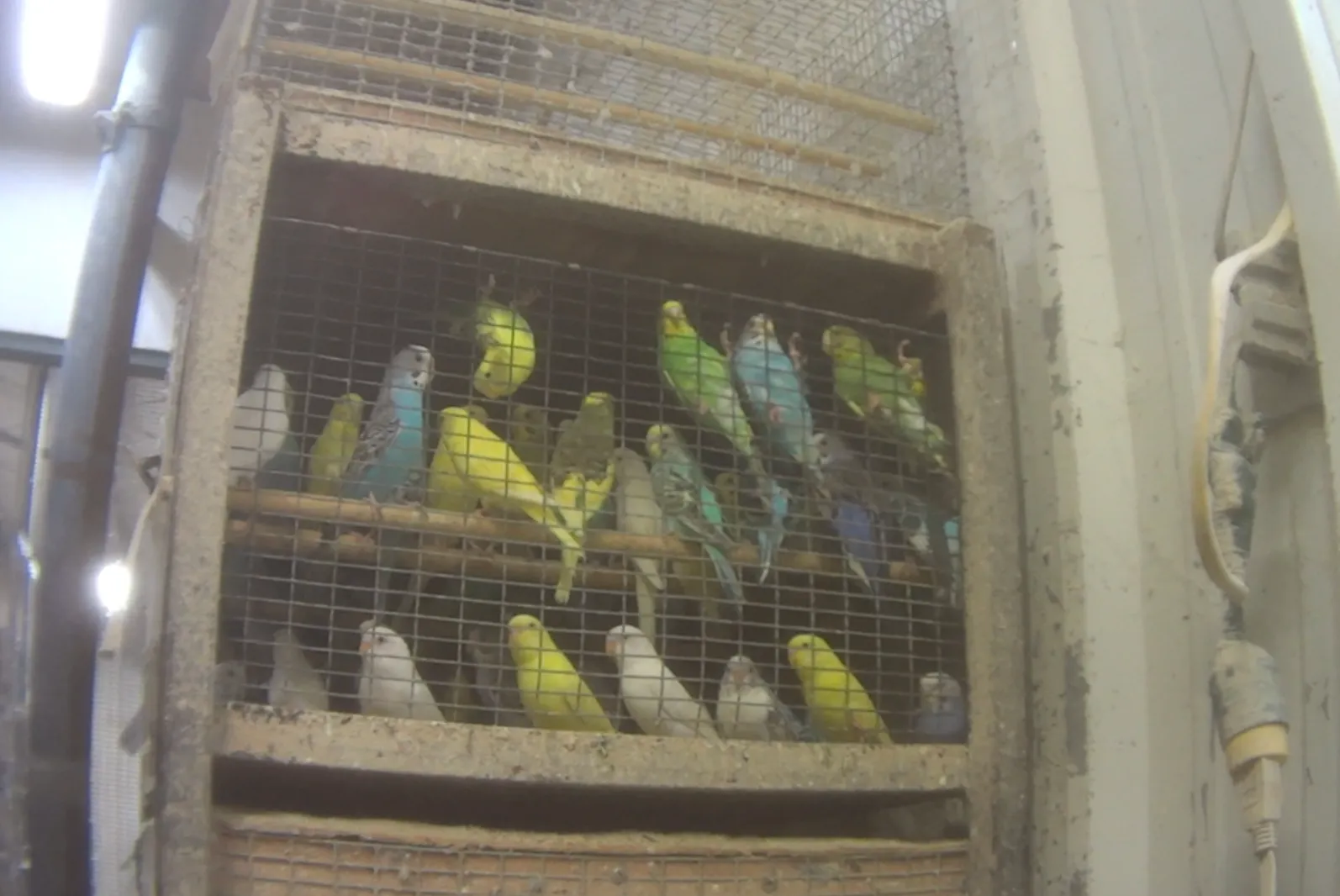
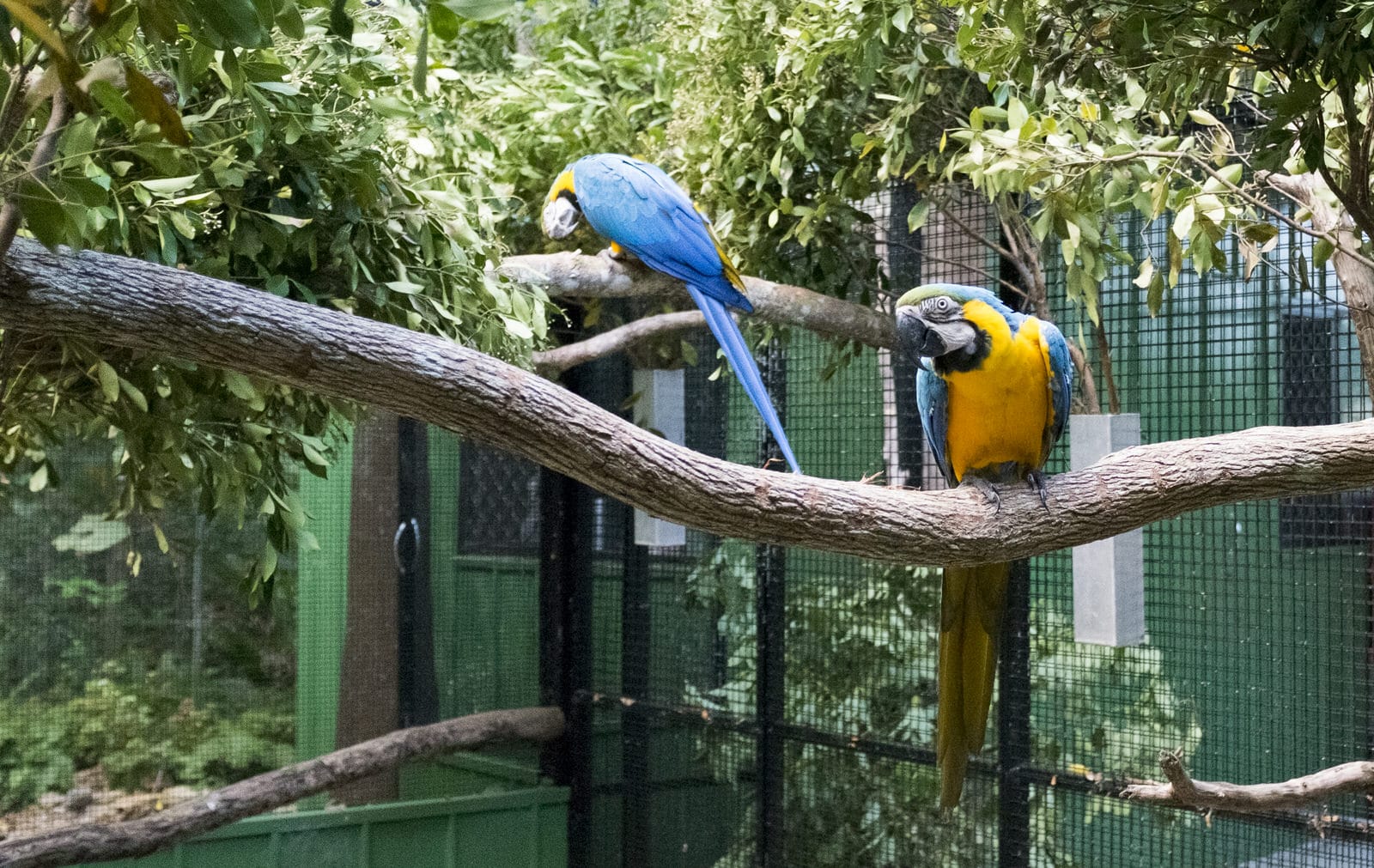
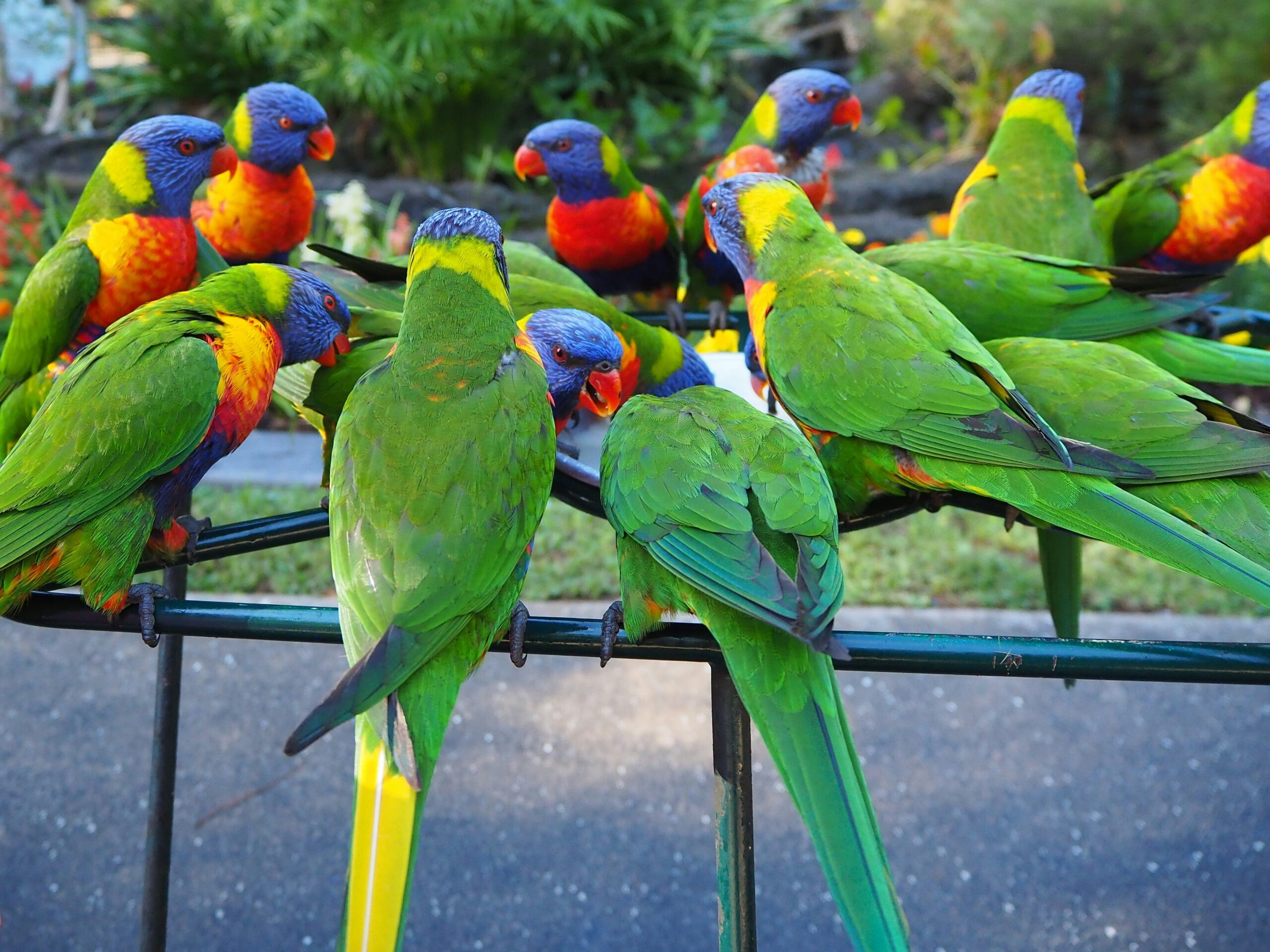
The huge global demand for these other exotic pets is fueling the illegal capture and trade of millions of birds, mammals, and reptiles annually, many of which die during capture or transport. Parrots are the most endangered bird family in the world due to extinction.

Why exotic animals should not be pets

You may get hurt

Animal owners may be held legally responsible for any damage, injury, or illness caused by these animals. Finding new homes for large or difficult-to-manage animals can be difficult, if not impossible, especially since most zoos are unable to accept them. Keeping wild animals as pets can be dangerous. Many can bite, scratch, and attack the owner, children, or guests.

That would probably be illegal.

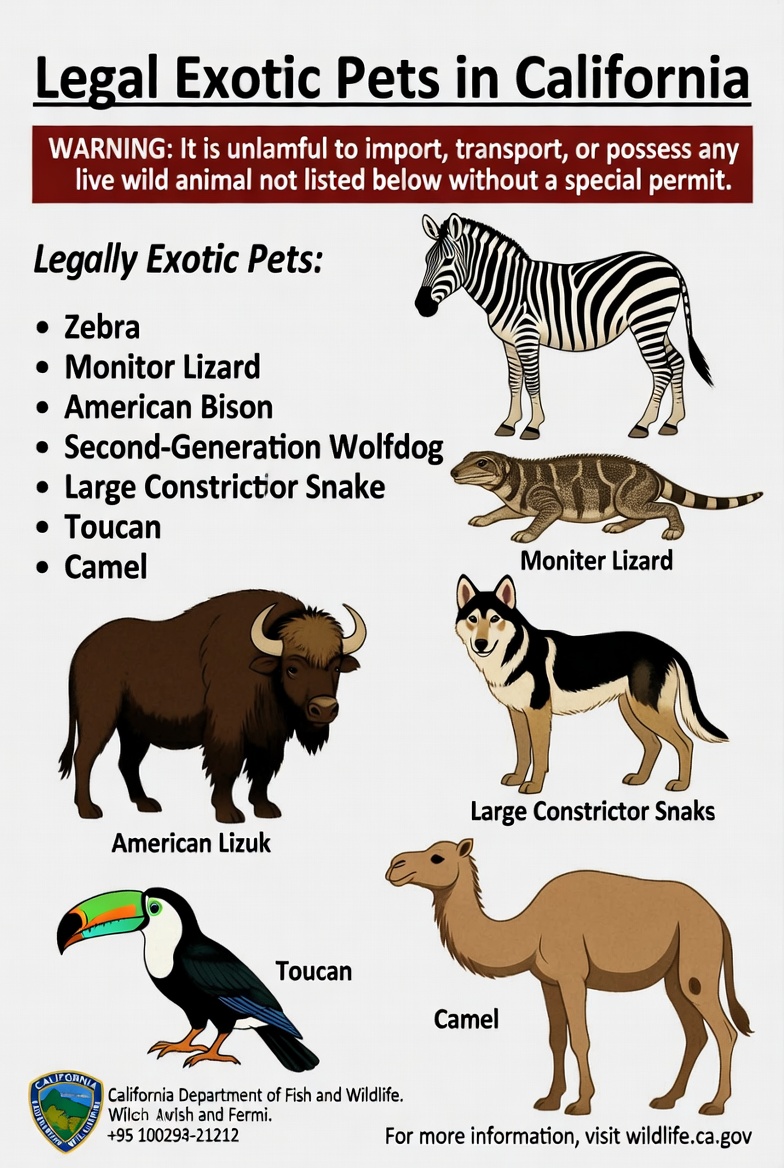
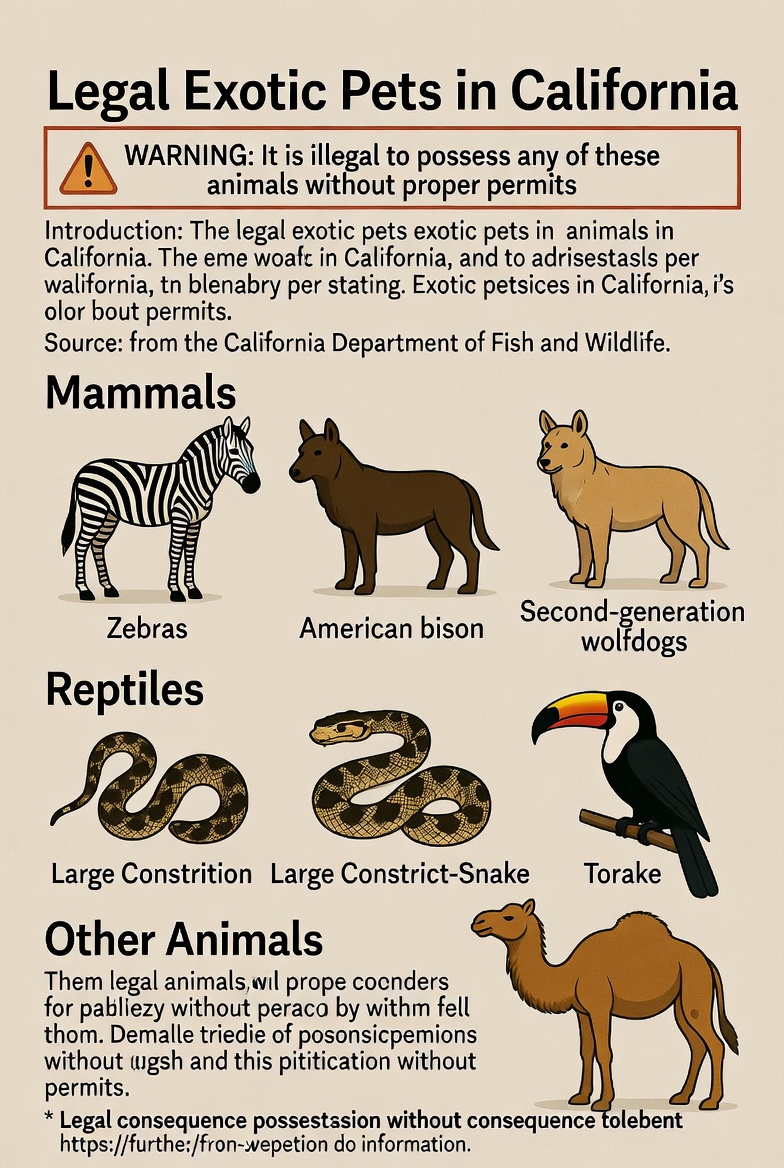
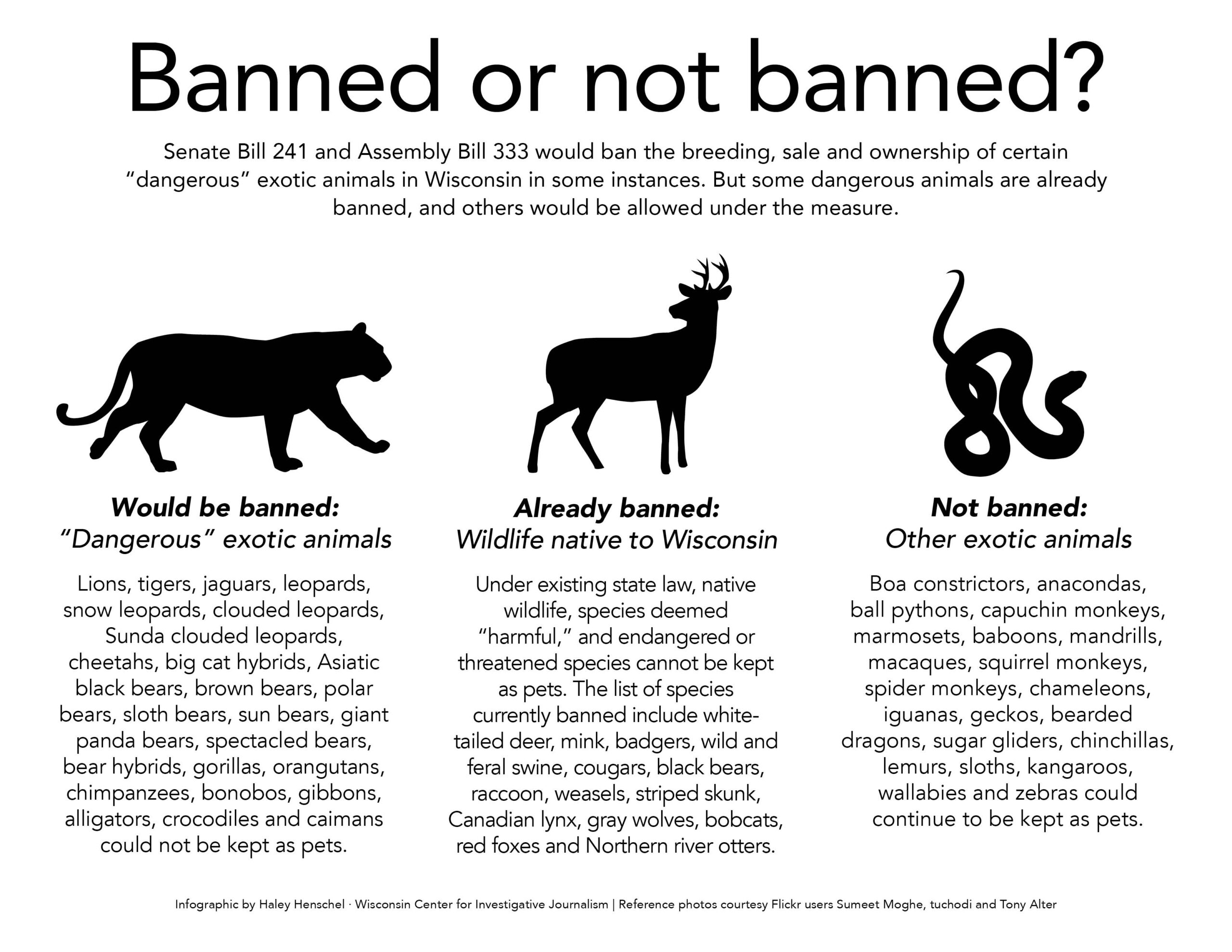
Many state and country laws prohibit keeping exotic animals as pets.

What Kinds of Animals Become Good Pets?

You should remember that not all animals are pets. Choosing the right animal as a pet is very important. In this article, we will tell you about the names and characteristics of all these pets.

Dogs

Dogs are one of the most popular pets. The relationship between dogs and humans goes back centuries. Their loyalty, protectiveness of their owner, and ability to give unconditional love make them such great pets. Dogs are low-maintenance pets. Which you don’t need so much time to take care of, first choose the different types and their specific information:  

  • Ambient temperature is required to keep the dog.
  • How to prepare and clean them
  • What foods can they be allergic to?
  • Requirement of various items like ear protection, etc
Why exotic animals should not be pets

Popular Domestic Exotic Dog Breeds 

The following breeds of dogs are very famous in the world.

  • Catalburun
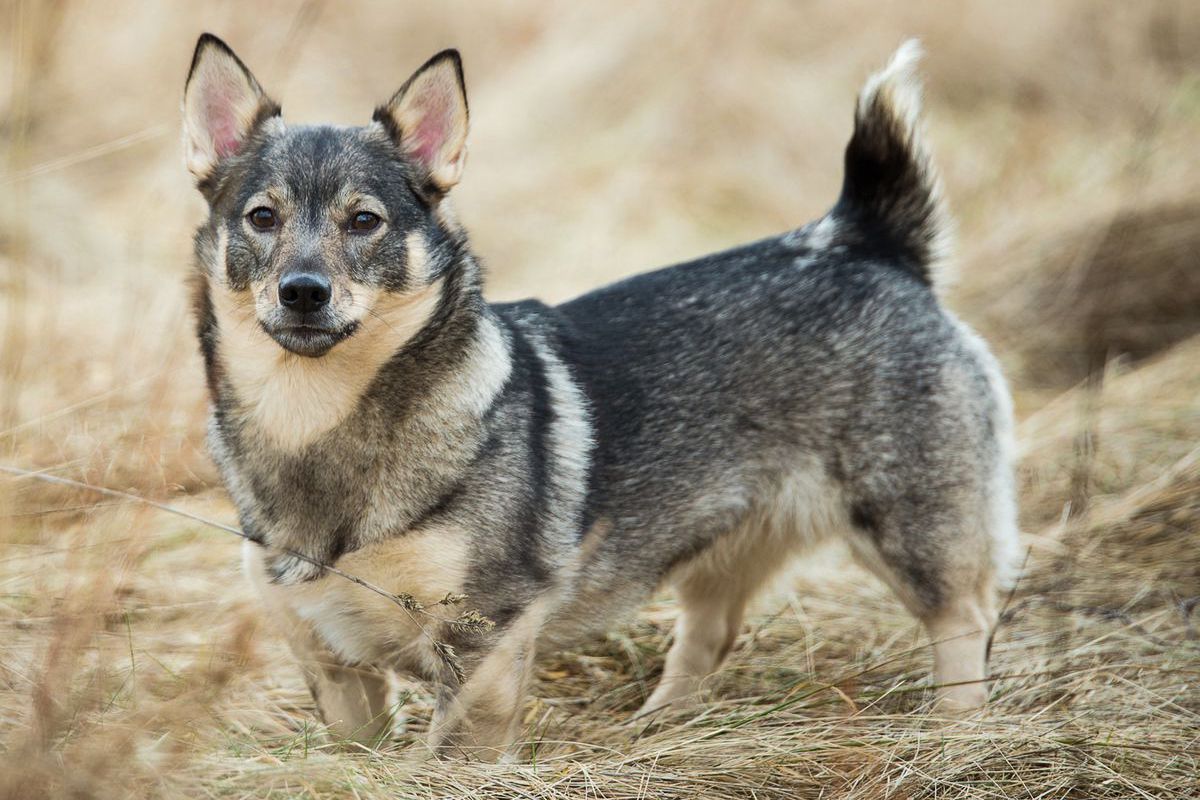
  • Vallhund

Vallhund

The Vallhund is a herding dog at heart, despite its unusually short legs. This is why it is called the short-legged dog. It likes to thrive with daily challenges. Vallhunds can be friendly family pets.

Catalburun

Catalburun comes from the southern province of Tarsus in Turkey. Onlyfewers than 200 of them are believed to exist today, and the reason for this is very sad. It is very unique because of its unusual double nose and low-set ears, but both traits are the result of intense inbreeding.

Cats

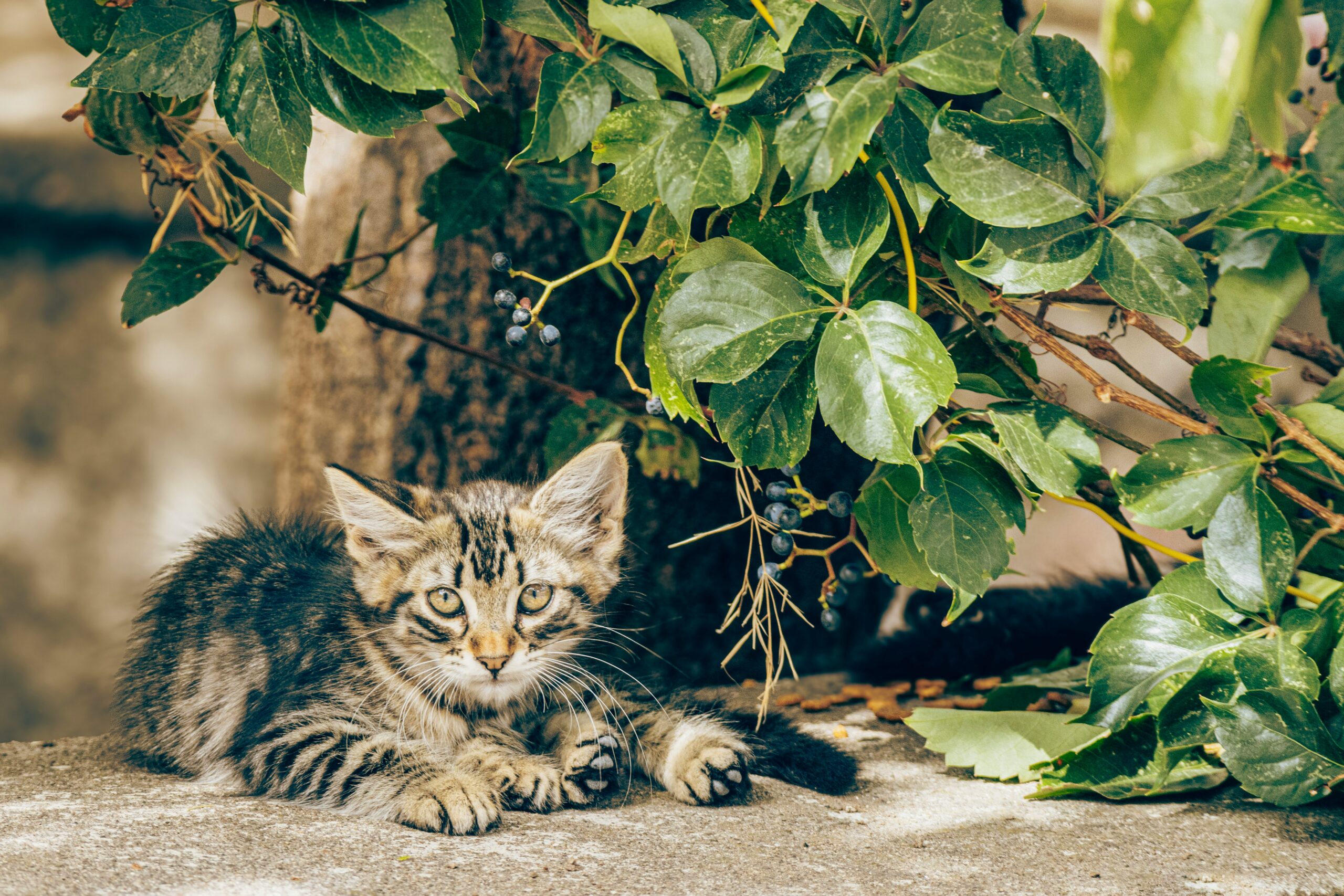
Cats are the second most popular choice of pets. They can also pick up on human moods and emotions,, hence one needs to regulate their moods when around their pet cat. However, they are more emotionally demanding than other pets.

Why exotic animals should not be pets

Popular Domestic Exotic Cat Breeds 

The following breeds of cats are very famous in the world.

  •  Abyssinian
  •  American Bobtail
  •  Bambino

Abyssinian

Dating back to the Egyptians, the domestic short-haired cat has been considered one of the oldest breeds of cat. This breed of cat has been found in ancient tombs.

American Bobtail

This cat has a very loyal personality that makes them friends with other members of the family. A medium-large cat has developed a bobcat-like tail.

Bambino

This is a new breed and is considered an experimental breed. The American Cat Fanciers Association discourages breeding. A cross between a hairless Sphynx and a short-legged Munchkin. The Cat Fanciers Association.

Why exotic animals should not be pets

Conclusion

Exotic animals are exotic and potentially dangerous and, as such, do not adapt well to a captive environment. So it is quite dangerous. Many wild animals carry viruses and bacteria that can spread to humans if we interact with them too closely, biologists said. And because you cannot provide a proper home for them. That’s why exotic animals have complex behaviors. 

One may adopt an exotic animal as a pet, thinking that it is “cool” or even, possibly, that they are helping a very pathetic creature. The exotic animal trade is a multi-billion-dollar industry. Millions of wild animals. Including reptiles, large bats, nonhuman primates, and others, are privately owned in the United States. Because of this truth. Nowadays, exotic animals are often mistreated due to a lack of awareness, but what is happening is that they are being exploited. Organizations are taking advantage of these animals. As a result of people lacking knowledge about exotic animals, Many of these animals are being mistreated. Sometimes purposely, mistreated. Because the owners do not have the right resources or knowledge to care for these animals. So, we should take care of them. And we should also know the necessary information for their upbringing.

Keeping exotic animals as pets

Keeping exotic animals as pets

Some people prefer to have exotic animals as pets because of something unique and fascinating. However, we should prohibit keeping exotic animals because it is unhealthy for them. He says this article will discuss why people must be wiser when deciding on which pet to go for exotic ones.

People have looked at the trend of Keeping exotic animals as pets. They discovered that such animals generally develop issues in their homes due to a lack of space, food, and friends. Exotic animals can become stressed, behave poorly, and get sick. Some exotic animals need specific things, like certain food or temperatures, that cannot be provided in a household.

Whether or not you are considering becoming an owner of an exotic pet, it is always beneficial to find out how the animal is and what can go wrong. You should also consider whether you can offer all necessary for an animal to be content and happy all the time. This is not dead on arrival but it is wise to pick a kind of animal that you can take good care of.

Keeping exotic animals as pets

The Allure of Exotic Pets

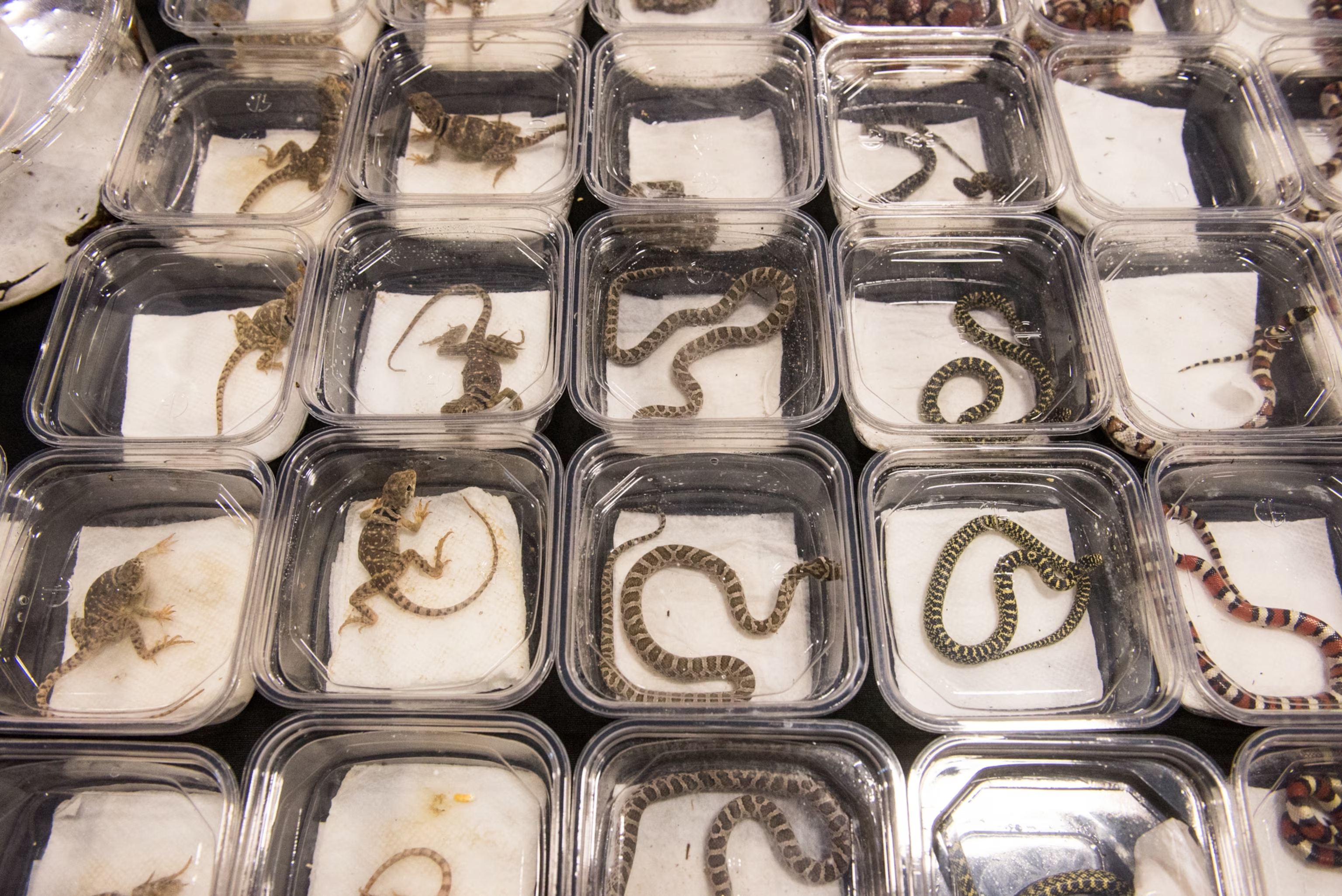
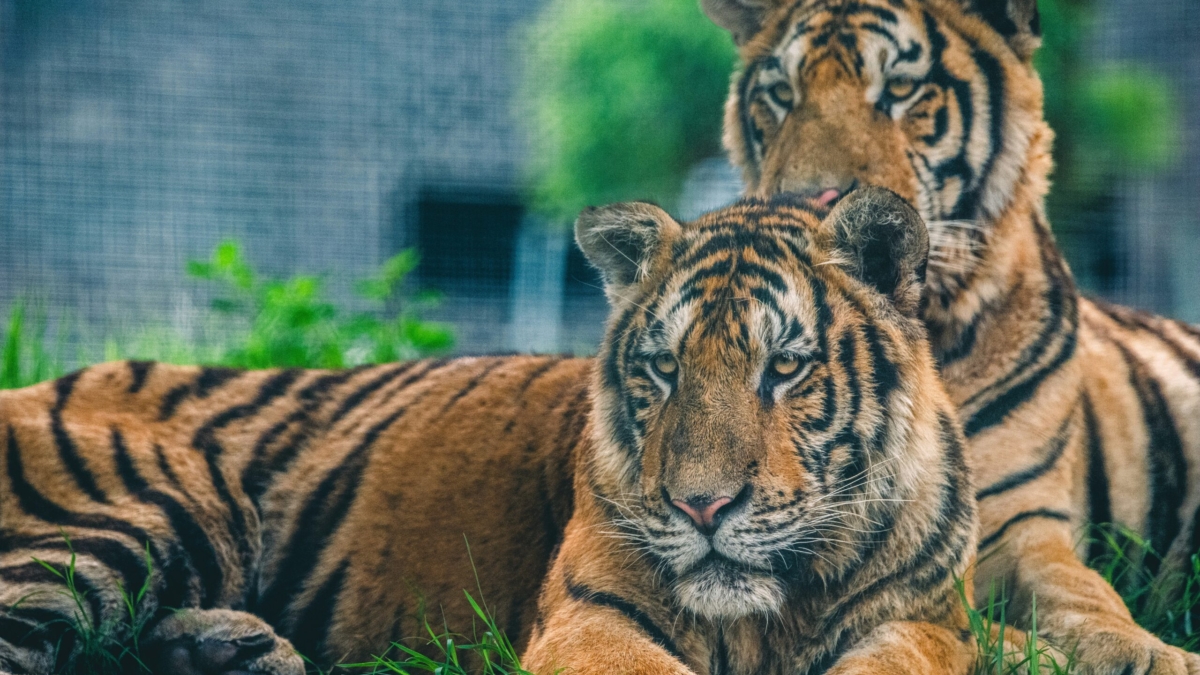
Exotic animals are animals that are foreign to a person’s household. Can be very beautiful and interesting, and this is the reason why some people desire to have them as pets. Exotic pets are those considered unusual in everyday domestic practice; examples of such pets are snakes, lizards, monkeys, tigers, or lions.

The Problems of Keeping Exotic Pets

Exotic animals can be entertaining pets, but there are many issues associated with them. One big problem is that some of these animals can be killed or are deadly. Friendly animals also bite or scratch; some animals even kill people. The former has it that exotic animals could prove difficult to handle or better still cater to. They require special diets, shelter, and, in some cases, medical attention that is hard to come by.

Keeping exotic animals as pets

Ethical Concerns

However, alongside everyday issues concerning the maintenance of exotic pets, they have moral issues. Some people strongly oppose keeping wild animals in enclosures. They believe that these animals should be left in their natural habitats instead of being confined to cages or enclosures. The illegal wildlife trade, fueled by exotic pet demand, harms wild animals.

The Dangers to Humans

Endangered species are a threat to human beings. Most of the domesticated animals when threatened or provoked, tend to attack. Some exotic animals have diseases that are fatal to human beings such as rabies or salmonella. Also, some of the exotic animals are very enormous and can be lethal in case they strike.

Keeping exotic animals as pets

The Impact on the Environment

The same is also negative in other areas since people can pet exotic animals which are capable of causing an implication on the environment. Certain exotic animals can manage to run wild and invade certain areas causing harm to native species and habitats. The trade-in exotic animals causes many problems, including habitat destruction and the extinction of species.

The Importance of Responsible Pet Ownership

Adopting an exotic pet requires proper care, including appropriate heating, to ensure its well-being. Be aware of potential dangers and be ready to take responsibility for raising potentially dangerous animals.

Alternatives to Exotic Pets

Instead of keeping big cats as pets, consider other animals that offer equal entertainment without threats and ethical issues. Dogs, cats, rabbits, guinea pigs, and birds are all excellent choices. If you’re looking for something more exotic, many bird and reptile species pose less risk than mammals.

Keeping exotic animals as pets

Conclusion

Pet owners never tire of discussing certain features, and the question of whether or not to have an exotic animal around the house has many aspects. Such goals are multiple, firstly the welfare of the animal, the dangers that might be inherent with such a process, and the moral question concerning the rights of the animal.

One of the things that should not go unnoticed is that before you decide to rear an alien animal you do research well. If you are in doubt whether the ownership of exotic pets is for you then you can opt for other exotic and good pets.

Why shouldn't exotic animals be pets?

Why shouldn’t exotic animals be pets?

Whenever you hear something like ‘pet, the first images associated with this word will definitely refer to dogs and cats as they are the most common. For the past few years, there has been an increase in people who develop an enthusiastic appreciation for some animals that hail from the wildlife. This is a big concern to all of us as most people have settled on raising wild animals as pets.

Social media and the internet have increased interest in these animals. Many are easily found for sale, and people can quickly order them. This means anyone can purchase an exotic pet with very little knowledge of that animal’s needs, behavior, potential dangers to humans and other animals, and its origin.

Why shouldn't exotic animals be pets?

If you want to satisfy your Why shouldn’t exotic animals be pets? Then read the full article it will be useful for you and you will know the difference between those two concepts – exotic animals and pets.

Why Wild Animals Should Not Be Pets?

Wild animals should not be pets because they are not happy in their homes. They need special things that homes cannot give them. They get sick and are not safe for people or other pets.

It’s Illegal

Keeping a wild animal as a pet is illegal and dangerous. These animals belong in the wild and keeping them in homes can make them sick and hurt them. Authorities rescue many wild animals, such as bears and snakes, from homes each year.

They Might Not Need Your Help

People often think they are helping animals by taking them home. But this can be wrong. Animals like rabbits sometimes leave their babies alone to teach them how to survive. Taking them home can hurt them. If you think an animal is hurt, tell a wildlife center.

Why shouldn't exotic animals be pets?

Wild Animals May Carry Diseases

Baby animals can look cute, but they often have diseases that can hurt people and pets. These diseases can be deadly. Wild animals are not vaccinated or taken to the vet. Keeping them at home can be dangerous for everyone.

They Can Attack You

Wild animals can be dangerous to keep as pets. They may love you, but they still have wild instincts. These instincts can make them angry and hurt you. A woman named Sandra Piovesan learned this the hard way when her wolves attacked her.

Their Species May Become Endangered

Many parrots are sold illegally every year. This is bad for them and can make them go extinct. Other animals like vipers and jaguars are also sold illegally. If we don’t stop this, they might disappear like the dodo.

Why shouldn't exotic animals be pets?

Some Animals Are More of a Concern Than Others

Animals used in shows are often hurt and mistreated. They are sometimes beaten and starved to train them. Apes are especially dangerous because they are strong and smart. They can hurt people easily.

The hidden dangers of owning an exotic pet

Exotic pets can be dangerous. They often have diseases that can hurt people and other pets. They may also be wild and unpredictable, which can make them dangerous to own.

Human health risks

Many new diseases come from wild animals. These diseases can spread to people when we take animals from their homes or keep them in bad conditions. Turtles are a good example. They are often mistreated during transport, which makes them sick and spreads diseases.

Animal welfare concerns

Many animals suffer and die to become pets. For example, for every baby chimpanzee that becomes a pet, ten die. Mateo, a spider monkey, survived after someone took him from his home and sold him as a pet. Authorities found him at the border and rescued him.

Conservation threats

The exotic pet trade hurts wild animals. It takes them from their homes and can make them go extinct. People who buy these animals often don’t know how to take care of them. They may release them back into the wild, which can hurt other animals.

Why shouldn't exotic animals be pets?

How to be an ally for animals?

We can help protect wildlife by choosing not to buy exotic pets. Instead, we can adopt domestic animals or avoid supporting social media influencers who show off their exotic pets. These actions can lower demand for exotic pets, reduce harm to animals, and limit the spread of diseases.

What types of animals make good pets?

  • Dogs, cats, rodents, rabbits, and chinchillas are all great pets.
  • Birds like Parakeets, canaries, cockatiels, doves, and pigeons can make good pets when bred responsibly.
  • Reptiles and amphibians like tortoises, lizards, snakes, and frogs can be good pets, but they need special care.
  • Tropical fish can be fun pets, but make sure they come from sustainable sources.

Conclusion

Exotic pets are bad for animals and people. They are not happy in their homes and can get sick. They also have diseases that can hurt people. Selling exotic animals hurts nature and can make animals go extinct. We can help animals by taking care of pets or not watching social media influencers who show off exotic pets.

This can help stop people from buying exotic pets, which can hurt animals and spread diseases. Exotic pets are not happy in homes. They can get sick and hurt people. Selling exotic animals is bad for nature. We can help animals by taking care of pets and not watching social media influencers who show off exotic pets. Let’s work together to protect animals and keep them safe

Should exotic animals be kept as pets?

Should exotic animals be kept as pets?

Should exotic animals be kept as pets? Liking of exotic animals can also be attributed to a desire to possess an animal that is different in some way, or to be able to have an animal that does something unique. However, any decision to keep them as pets should not be because it is good for the animals or ourselves. 

Scientists have studied exotic pets and found that they have special needs. They need special food, special homes, and sometimes special friends. It takes work to give them everything they need in a regular home. Also, buying exotic animals can hurt their homes in nature and even put them in danger.

We should think about why having some types of animals as pets is wrong. They could be endangered so that means we can protect them and should make be good to these animals. Together, let us help make sure all of the animals are protected without harm and are well cared for.

Should exotic animals be kept as pets?

The Appeal of Exotic Pets

This is why people like exotic animals; they are different, and they do something cool. They may be very fun to watch and even have fun with at times. But this is where they become a problem when people decide to adopt them as pets.

Beauty and Fascination

Many people find exotic pets appealing. They can be beautiful and fascinating. An iguana can catch your eye with its vibrant colors. A parrot may talk and mimic sounds. These pets can provide companionship and entertainment.

Status Symbols

Some people see exotic pets as status symbols. Owning a rare animal can make someone feel special. It can draw attention and spark conversations. However, this desire for uniqueness can lead to problems.

Should exotic animals be kept as pets?

The Risks of Keeping Exotic Pets

Exotic animals can be dangerous. Some of them are in relatively good physical condition as some can even be dangerous to others. Nice animals can also bite or scratch when they get scared or they feel as if they are in danger. Exotic animals can also be a source of diseases that are unhealthy for human beings and other animals.

Wild Behavior

Keeping an exotic animal comes with risks. Many of these animals are wild and do not behave like traditional pets. This wild nature can lead to dangerous situations. For instance, some snakes can bite, and even small lizards can carry diseases.

Health Issues

Some of the exotic pets may not do well when they are captured. Otherwise, Stress in an unnatural environment becomes a health issue and aggressive animals.

Legal Issues

In some places, it is prohibited to keep species of certain animals as pets. That is why you can face legal consequences if you are found with an unlawful type of animal. The other thing that many people do not realize is that they must also consult the laws of their states before adopting any type of pet, whether exotic or not.

Ownership Regulations

Some of the areas where it is legal are usually restricted by law regarding the keeping of exotic animals. While some animals are prohibited by law to be possessed, others need permits for ownership. As always, before you decide to buy an exotic pet, you should look to your local laws to see if they permit such animals to be kept as pets. Failure to observe these laws attracts fines or penalties for losing the animal in question.

Conservation Laws

Some exotic animals are protected under conservation laws. These laws aim to preserve wildlife populations. Owning a protected species can have serious legal consequences.

Ethical Considerations

There is one that is wrong and that is the practice of owning exotic animals as pets. These animals are wild and have the right to be where they are, in the wild. It is possible taking them from their homes harms them and the families that they are responsible for. These should be protected and allowed to enjoy their natural freedom as any other creature.

Should exotic animals be kept as pets?

Wild vs. Captivity

As will be seen later, ethical issues form a very important part of this discourse. Most people believe that animal trafficking and more specifically keeping exotic animals as pets are wrong. These animals should live freely in the wild, capturing them destabilizes populations.

Breeding Challenges

Breeding exotic animals in captivity does not always solve the problem. Many captive-bred animals still suffer. They may not know how to survive in the wild, raising questions about their quality of life.

Care Requirements

Exotic animals have special needs. They need special food, special homes, and lots of space to run around. Most people can’t give them what they need. This can make them sick and unhappy.

Special Needs

Taking care of an exotic pet is always tough. The existence of different needs in each of the species is demonstrated well in this picture. For instance, a turtle will require a specific light setting while a snake will need a specific temperature setting. Most pet owners are unaware of these requirements and thus their pets develop some health issues.

Long-Term Commitment

Certain forms of exotic pets are, in fact, long-lived animals. Some birds such as parrots, may live for as long as two or three decades. Having one means being loyal for a while, but some just do not understand what loyalty means for a long time.

The Financial Burden

Some of the exotic animals may be expensive when it comes to feeding and other issues to do with their welfare. They require a special diet, and special utensils and are required to visit the vet often. These can be a very hefty account for many people.

Initial Costs

Exotic pets often come with high initial costs. Buying the animal, setting up its habitat, and purchasing specialized food can add up quickly. Many people underestimate these expenses.

Ongoing Care

The ongoing care for exotic animals can also be expensive. Regular vet visits, special diets, and habitat maintenance all require money. This financial burden can lead to neglect if owners are unprepared.

Should exotic animals be kept as pets?

The Social Impact

Keeping exotic animals as pets can hurt society. It can push people into hunting the animals from the wild and begin making profits out of them. It also results in the spread of dangerous diseases in the society or region affected by the disasters.

Community Concerns

Exotic pets can impact local communities. Some people may feel unsafe if they encounter a loose exotic animal. This can create fear and tension in neighborhoods.

Public Health Risks

Exotic animals can carry diseases that affect humans. Diseases like salmonella can spread from reptiles to people. Public health officials often worry about these risks.

Alternatives to Exotic Pets

Here there are the following animals you can have other than the exotic animals There are many good pets that people can have. Common pets that are allowed include dogs, cats, guinea pigs, and rabbits. These pets require less attention and they are physically harmless as compared to the other endangered exotic pets.

Traditional Pets

It is understandable why someone interested in animals would not, however, other exotic pets might be problematic. From experience, most local animal shelters still have cats and dogs seeking new homes. Such animals are good friends and equally require attention and attention as other exotic animals.

Educational Opportunities

There are other ways to learn about exotic animals. Go to tropical or other specialized animal welfare facilities where exotic animals are found and educated about. Here are some animals you can love without keeping at home.

Volunteer Options

If you love animals you should also think of going for volunteering at an animal shelter or a wildlife rescue center. This will enable you to spend time with animals yet not involve yourself with their permanent companionship. There are all kinds of opportunities to learn, get experience, and help put the needs of animals first.

Conclusion

Successfully, it is clear that keeping exotic animals as pets is not a topic that is black and white. Though they sound satisfactory, they are equally informed by risk and responsibility. Most of these creatures have unique care requirements that are hard to meet as appreciated by new owners. Other issues of ethical nature also have to do with capturing these animals from their territories.

Thus, the final decision to keep an exotic animal should not be made effectively. Take into account that animal has needs, there are some legal questions and you will be able to take proper care of it. If you like animals you can enjoy, traditional pets or by supporting the administrations of wildlife conservation agencies. It is always helpful for both the pet and yourself if the right decision is made on whom or what to adopt.

Exotic Pet Cats in USA

Exotic Pet Cats in USA

Exotic pet cats have been the source of attraction among animal lovers in the United States as far as decades ago. Caring for exotic pet cats in the USA requires specialized knowledge, space, and financial commitment.These cats with their wild beauty, bold patterns and eccentric personalities present an experience that is way beyond other domestic breeds.

Nevertheless, it is not as easy as just taking home a regular house pet, and owning an exotic cat. The law, special attention, and ethics are all important factors in determining whether an exotic feline would be the right pet to own.

Today we are going to discuss exotic pet cats in the USA such as legal species, state laws, care requirements, cost, risks and responsible ownership issues.

What Are Exotic Pet Cats?

Exotic pet cats are usually wild or hybrid species of cat that are not taken as the traditional domesticated house cats. These may include:

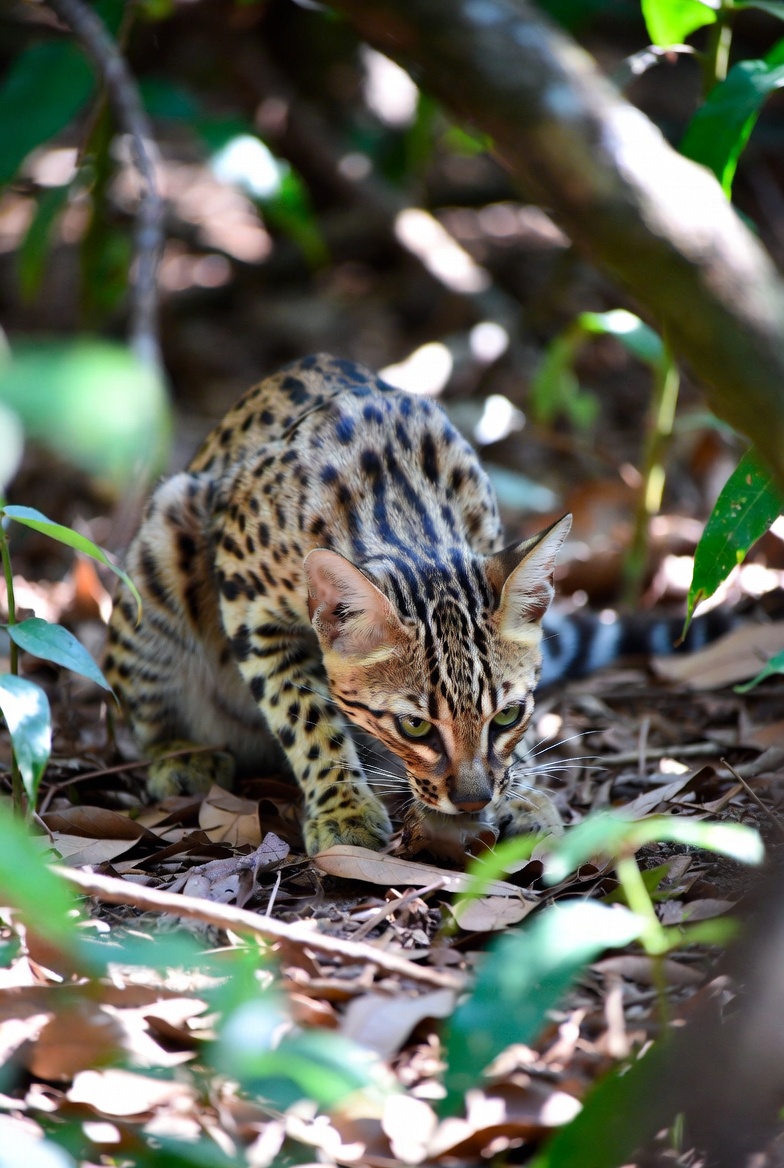
Wild cats (servals, caracals, etc.)

Crossbreeds made between domestic cats and wild cats (such as Savannah cats) i.e. hybrids.

Unusual or rare domestic breeds which are similar to the wild cat.

Exotic cats also can be very wild in their instincts, full of energy, and exhibiting special environmental requirements unlike fully domesticated breeds that have co-evolved with humans over thousands of years.

In the USA, Legal of the USA

It is simply indispensable to know the law of the state and the local law before thinking about ownership.

Federal Laws

In the United States, the laws which regulate some exotic animals under the federal government control include:

  • The captive Wild Life Safety Act.
  • The Lacey Act.
  • Breeders and exhibitors licensing by USDA.

Nonetheless, pet ownership laws belong mainly to the jurisdiction of the states.

State Laws Vary Widely

There are various laws on exotic pet cats in each state:

  • Other states do not allow any wild cats (e.g., California).
  • Others permit ownership by permit (e.g. Texas, county-dependent).
  • Other ones permit some hybrid breeds but do not permit totally wild species.
  • Minimal restrictions exist in a few states.

Also, counties and cities can have more restrictive regulations as compared to the state.

When buying any exotic cat you need to:

  1. Check state laws.
  2. Check ordinances of counties and cities.
  3. Confirm zoning regulations.
  4. Make good permits and papers.

Lack of compliance may lead to seizure of the animal and criminal punishment.

Exotic Pet Cats Popularities in the USA.

Let us have a closer look at two of the most popular kept exotic cats and hybrid cats.

1. Savannah Cat

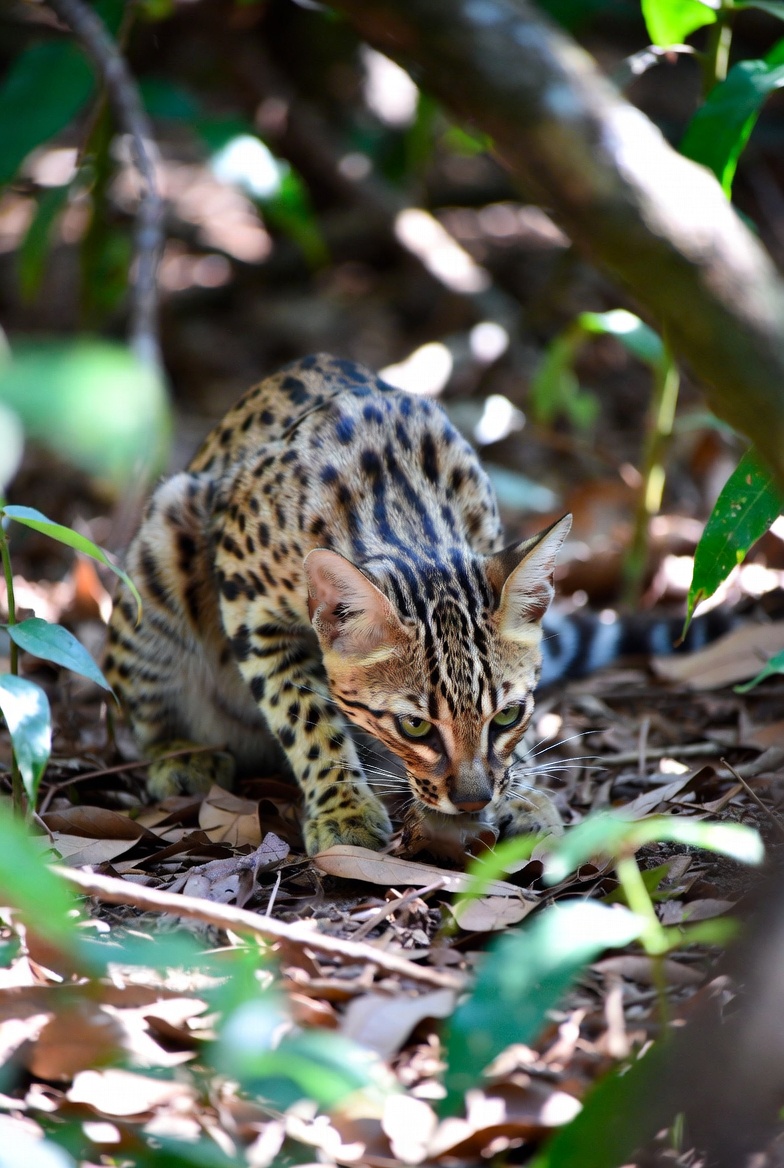
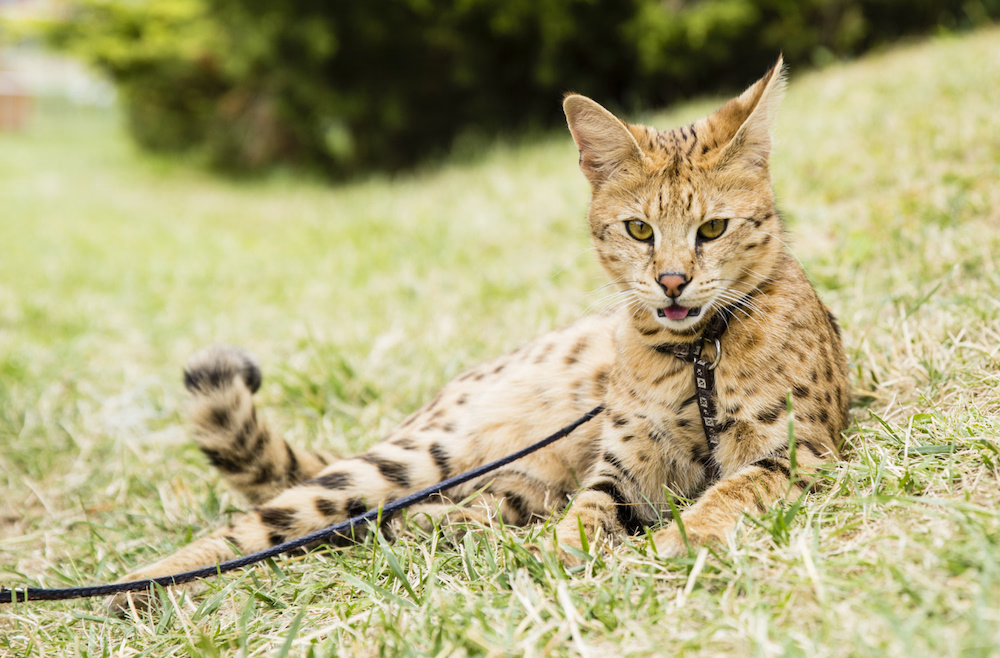
One of the most popular exotic hybrid cat in the USA is the Savannah cat.

Origin

The Savannah cats are an interbreed of a domestic cat and serval (a wild African cat).

Appearance

  • Tall, slender body
  • Large ears
  • Flecked coat Cheetah-like.
  • Long legs
Exotic Pet Cats in USA

Temperament

  • Intelligent and energetic
  • Loyal and dog-like behavior
  • Needs a huge amount of stimulation.

Legal Status

Legality is a matter of generation:

  • F1-F3 (more akin to wild serval) are limited in numerous states.
  • Subsequent generations (F4-F7), are more liberated.

Care Requirements

  • High-protein diet
  • Large space for exercis
  • Babies Toys and enrichment.
  • Secure environment

The savannah cats will range between 1000 and 20000 dollars depending on the generation.

2. Bengal Cat

Another hybrid breed that is much desired is the Bengal cat.

Origin

The Asian leopard cat and a domestic cat had a cross.

Appearance

  • Rosetted or marbled coat
  • Muscular build
  • Shimmering fur
Exotic Pet Cats in USA

Temperament

  • Playful and energetic
  • Highly intelligent
  • Adventurers on the climbing and water play.

Legal Status

In most states, later generations are lawful; however, the early generations might be limited.

Care

  • Vertical climbing space
  • Mental stimulation
  • Regular exercise

Bengals are usually easier to domesticate as compared to wild hybrids with a higher percentage.

3. Serval

The serval is a medium size wild African cat.

Characteristics

  • Long legs
  • Large ear
  • Spotted golden coat
  • Excellent jumper
Exotic Pet Cats in USA

Behavior

  • Strong hunting instincts
  • Territorial
  • Demands professional treatment.

Legal Issues

Servals are either unlawful in lots of states or illegal with authorization.

Care Challenges

  • Raw meat diet
  • Large outdoor enclosure
  • High veterinary costs
  • High level of scent marking.

Servals cannot fit into the average households and consume a lot of resources.

4. Caracal

The caracal is famous in its black ear tufts.

Features

  • Medium-sized wild cat
  • Athletic and powerful
  • Short reddish coat

Temperament

  • Not fully domesticated
  • Strong prey drive
  • Can be unpredictabl

Legal Status

Outlawed in most states; licensing in those permissible.

Ownership Reality

Caracals need:

  • Secure enclosures
  • The specialized treatment of the veterinary services
  • Seasoned exotic animal operators.

They do not suit the average pet owners.

5. Chausie

The Chausie is a breed of domestic cats mixed with the jungle cats.

Traits

  • Lean, athletic body
  • Short coat
  • Energetic personality

Temperament

  • Social but independent
  • Highly active
  • Needs space

The chausies are legal in most states and can be a more manageable alternative to the wild hybrids with higher percentages.

6. Bobcat (Occasional but Rare)

Wild cats found in North America are bobcats.

Challenges

  • Large territorial range
  • Powerful predators
  • Complex behavioral needs

There is strong limitation in ownership and it is mostly limited by special licensing. They are hardly appropriate as domestic animals.

The Care Needs of Exotic cats

The exotic cat of the pet is much more demanding in ownership than the ordinary domestic cat.

1. Space and Enclosures

Most exotic cats require:

  • Large outdoor enclosures
  • Secure fencing
  • Escape-proof housing
  • Climbing structures

Forced indoor only environment is generally inadequate.

2. Diet

Many exotic cats require:

  • Raw meat diets
  • Whole prey items
  • Supplements
  • Strict nutritional balance

Malnutrition may result in extreme health problems.

3. Veterinary Care

Not every veterinarian is involved in the treatment of exotic species.

Owners must:

  • Locate an exotic animal vet
  • High medical cost budget.
  • Anticipate a dearth of emergency resources.

The cost of medical practices can be astronomical.

4. Behavioral Management

Exotic cats:

  • Mark territory
  • Scratch aggressively
  • Exhibit strong prey drive
  • May will be destructive when bored

The enrichment and training are the prerequisites, which do not make wild instincts extinct.

Ethical Considerations

Keeping exotic pets is a question of serious ethical consideration.

1. Animal Welfare

Wild animals:

  • Naturally not adjust to domestic life.
  • Get stressed out in enclosed areas.
  • May experience behavior disorders.

Even hybrids may still possess wild characteristics that will make it difficult to be captured.

2. Public Safety

Large exotic cats pose:

  • Injury risk
  • Escape risk
  • Threat to local wildlife

The wrong containment may result in hazardous circumstances.

3. Conservation Impact

Narcissistic breeding and trafficking:

  • Harm wild populations
  • Disrupt ecosystems
  • Promote breeding that is immoral.

Good sourcing must be responsible.

Costs of Owning an Exotic Cat

Exotic pet cats demand a huge amount of money.

Initial Costs

  • Purchase price: $1,000 to $20,000+
  • Enclosure construction: $5,000 to $50,000+
  • Permits and licensing fees

Ongoing Costs

  • Specialized diet
  • Veterinary care
  • Insurance
  • Repairs and enrichment

It is easy to have it in the tens of thousands of dollars throughout a lifetime.

Risks and Challenges

Before you think of ownership; here are the risks:

  • Legal penalties
  • Animal confiscation
  • Insurance complications
  • Housing restrictions
  • Travel limitations
  • Difficulty rehoming

Most sanctuaries have accepted surrendered exotic cats because of strained owners.

Another way of owning a Wild Cat.

Assuming you love exotic cats, but would get a safer one:

Home Breds that have Wild Appeals.

  • Maine Coon
  • Ocicat
  • Egyptian Mau
  • Abyssinian

These breeds are beautiful with no excessive care requirements.

Wildlife Sanctuaries Support.

You can:

  • Volunteer
  • Donate
  • Sponsor animal
  • Tour certified facilities.

This will help in conservation without adding to risky individual ownership.

Is an Exotic Cat Right for You?

Ask yourself:

  • Am I conversant with state and local laws?
  • Can I afford lifetime costs?
  • Do I have adequate space?
  • Am I ready to crazy actions?
  • Is my community vulnerable to any possible dangers?

The answer may be no, and that is alright, to the majority of families.

Conclusion

Exotic pet cats in the USA is an interesting yet a complicated world of animal ownership. Although some species of wild cats such as Savannah and Bengal cats have become popular, the real wild cats such as servals, caracals and bobcats need specialized care, vast resources and legal adherence.

The desire to own an exotic cat is not all about having a beautiful animal in the home. It is a great responsibility, lots of money investment, and profound knowledge of the animal welfare and safety. Legislations are different in many states, and ethics is still a significant aspect of the discussion on the issue of private ownership.

To most animal lovers, conservation work or adoption of a domestic breed that closely resembles wild cats could be a better and more responsible decision to make.

Research is required to make any decision, a consultation with the local authorities and a good assessment of your ability to fulfill the multi-layered needs of such extraordinary animals.

Exotic cats are beautiful and fascinating- they should be allowed to live in an environment that gives them respect on their instincts, safety and health.

How Many Exotic Animals Are Kept As Pets

Exotic animals are animals that are not usually kept as pets. They live in different places from us. Some examples are reptiles, amphibians, monkeys, and big cats. They can be fun to have, but they need special care. Many people ask about How Many Exotic Animals Are Kept As Pets. So, in this article, you must know about it.

Researchers have studied exotic animals as pets. They found that these animals need special food, living spaces, and friends. Without these things, they can get sick or die. Some exotic animals can also be dangerous to people. They might have diseases or be mean.

Keeping exotic animals as pets can be bad for the animals and people. As more people want to have these animals, it’s important to teach people about how to care for them. By understanding the problems and dangers, people can make good choices about whether to have an exotic pet.

What does it mean to have an Exotic Pet?

Simply put, any animal that is not a conventional household companion animal could be termed exotic. Some of the definitions are as under; There are different definitions at the company level, individual level, state government level and organization level. 

Some may consider having goats or ferrets as exotic pets, while others use the word ‘exotic’ to describe tigers or black mamba snakes, for instance. In other words, what may be considered natural for one culture will be considered a miracle for another. The term exotic pets is rather ambiguous in the veterinary profession, but it is commonly interpreted as any non-canine or feline animal which is also not a farm animal.

How Many Exotic Animals Are Kept As Pets

10 best exotic pets anyone can own

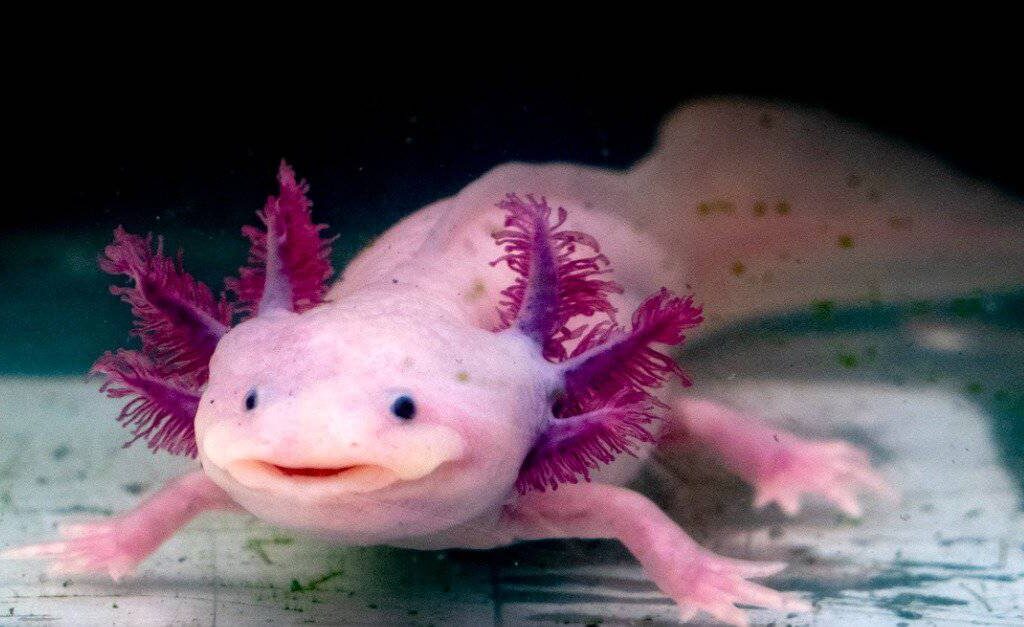
  • Axolotl
  • Fennec Fox
  • Sugar Glider
  • Chinchilla
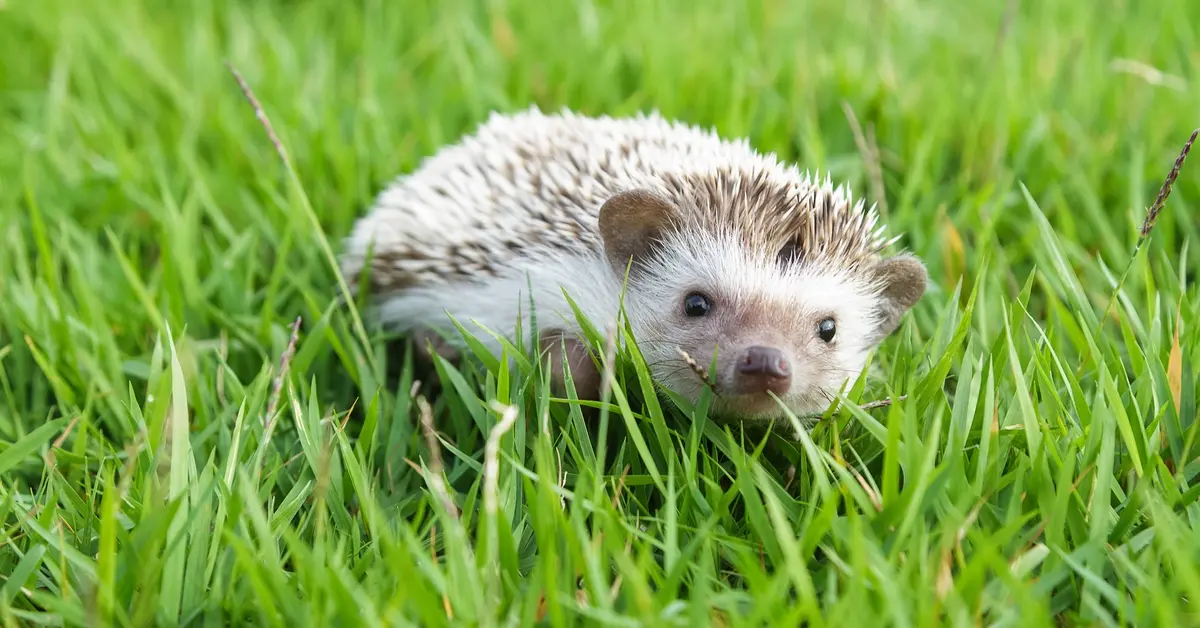
  • Hedgehog
  • Ball Python
  • Tarantula
  • Capybara
  • Savannah Cat
  • Green Tree Python

Tips for Choosing an Exotic Pet

Housing 

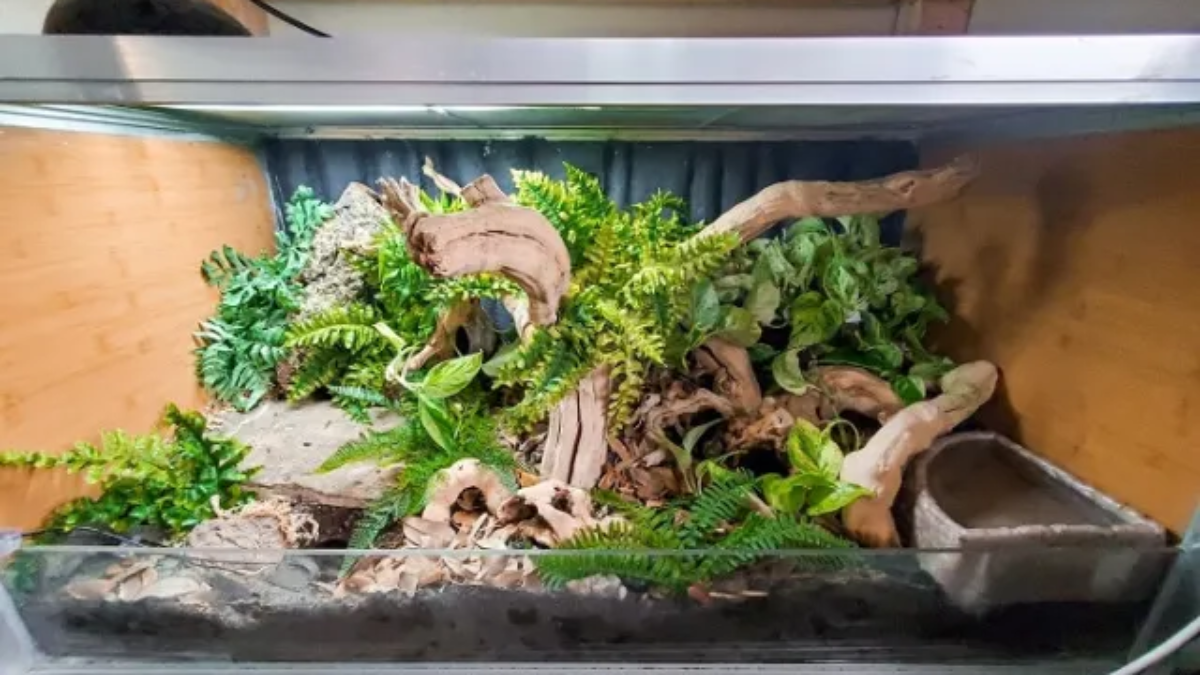
Exotic pets need homes that mimic their natural surroundings. While some, like ferrets, can discover your home beneath supervision, others require unique cages or tanks. If you have more than one of the identical sorts of pets, you may need a larger enclosure or separate ones, depending on the species.

How Many Exotic Animals Are Kept As Pets

Veterinary Costs

 It’s critical to find a vet who makes a speciality of your puppy’s species. It’s wise to discuss with them earlier than you understand. They can help you understand neighbourhood laws, discover a reliable breeder, and make certain you install the right environment for your puppy.

Nutrition

 Exotic pets have unique dietary needs. Avoid feeding them human food, except for cooked meat or clean culmination and vegetables. Processed ingredients may be dangerous. Always make certain they’ve got the right of entry to sparkling water.

How Many Exotic Animals Are Kept As Pets

Illnesses 

Exotic pets often conceal their aches as a survival instinct. Keep a close eye on their conduct to seize any symptoms of infection early. Regular vet visits are essential to preserve them wholesome.

Exotic Pets and Human Health: A Potential Risk

Rehoming

If you may not care for your pet anymore, don’t simply allow them to pass into the wild. Reach out to a natural world refuge for help in rehoming them.

Disease Transmission

Exotic animals can carry diseases that are not common in domestic animals. These diseases can be transmitted to humans through direct contact, contaminated food or water, or even through the air. Examples of such diseases include salmonella, E. coli, and rabies.

Zoonotic Diseases

 Zoonotic diseases are illnesses that can be transmitted between animals and humans. Exotic pets, especially those from tropical or exotic locations, are more likely to carry these diseases. Some examples include monkeypox, avian influenza, and West Nile virus.

Allergic Reaction

 People with allergies may be more susceptible to reactions to exotic pets. The fur, feathers, or dander of these animals can trigger allergic responses, leading to symptoms like sneezing, itchy eyes, and difficulty breathing.

Accidental Bites and Attacks

Owning such a pet can create significant psychological stress for the owner, particularly if they lack proper preparation for the difficulties involved. These incidents can result in injuries and, in some cases, serious infections.

Psychological Impact

While exotic pets can bring joy and companionship, they can also be stressful or demanding to care for. Owning such a pet can create significant psychological stress for the owner, particularly if they lack proper preparation for the difficulties involved.

How Many Exotic Animals Are Kept As Pets
Golden Retriever at the vet for a leg injury and well visit injections

Animals Suffer During Capture and Transport

Poachers and smugglers capture animals intended for the pet trade from their natural homes in countries like Australia, Africa, and Brazil. They then force these animals to endure long, painful journeys.

Traffickers tape parrots’ beaks and feet shut and cram the birds into narrow plastic tubes that smugglers can easily conceal inside luggage.

They hide stolen bird and reptile eggs inside special vests to bypass airport X-ray machines.

Smugglers glue baby turtles inside their own shells and pack them tightly into tube socks. At the same time, they squeeze baby pythons into ordinary CD cases. Many of them will die before they arrive.

Why is it bad to have exotic pets?

Humans often transport them over huge distances to countries vastly different from their native habitats.

  • Basic needs not met: At least 75% of pet snakes, lizards, tortoises and turtles die within one year of becoming a pet
  • Cruel captive breeding: Artificial breeding in captivity can cause ball pythons serious genetic defects
  • Insufficient nutrition: Captive green iguanas can suffer from soft bones due to poor diet
  • Unhealthy human contact: Handling Indian star tortoises can cause them disease and death
  • Confined in tiny spaces: African grey parrots fly several miles a day in the wild  

Conclusion 

Exotic animals may seem interesting as pets, but they come with many problems. They need special care, like the right food, living space, and a vet who knows about them. Many people can’t give them what they need. These animals suffer when humans take them from the wild and transport them long distances. Often, they don’t get enough food or space in their new homes. Exotic pets can also make people sick, cause allergies, or bite and attack. The pet trade also hurts wild animals and nature. Because of these dangers, it’s important to think carefully before getting an exotic pet.

Should Exotic Animals Be Pets

Should Exotic Animals Be Pets

Exotic animals are animals that are not native to a particular place. Some people like to keep them as pets because they look different and act in unique ways. However, many people believe that keeping exotic animals as pets is wrong. In this article, you learn Should Exotic Animals Be Pets.

Researchers have studied the problems of keeping exotic animals as pets. They found that exotic animals often require special things such as special food, cages and friends. It is difficult to give them these things at home. This can cause them to become stressed, misbehave, or even get sick. Researchers also found that exotic animals can be dangerous to people. Some of them carry diseases that are not common in pets. Exotic animals can also bite or attack people.

Another problem with keeping exotic animals as pets is that they can harm the environment. People sometimes buy exotic animals illegally. But the risks and problems of keeping exotic animals are huge. Before deciding to get an exotic pet, it is important to think about the animal’s health, the risk to people and the damage to the environment.

The Risks of Keeping Exotic Animals as Pets

That is why people should not keep exotic animals as pets. It can pose a threat to people, and may also affect other creatures, as well as bring out harm to the natural world around us. Reading this brief piece is one way of preventing yourself from having regret about getting an exotic pet. There are a great many other animals that would make interesting and perfect pets.

Here are some tips for choosing a pet:

  • Do your research. Find out information on the various types of pets you can have.
  • When they want to take, they should ensure that they adopt a pet that will suit their lifestyle. Think about where you live, your working hours, and your financial state.
  • Select a pet that you can essentially support. Make sure you can feed it, water it, and ensure it has a place to sleep and take it for exercise regularly.
  • Choose a pet that you love. Choose one which you would like to spend time with.
Should Exotic Animals Be Pets

Essential Care for Your Exotic Pet

If you already own an exotic pet please ensure you are giving it the proper diet and attention as required. This ranges from feeding it with the right food, giving it water to shelter it, and exercising it. It is also important that your pet should be healthy as well as safe.
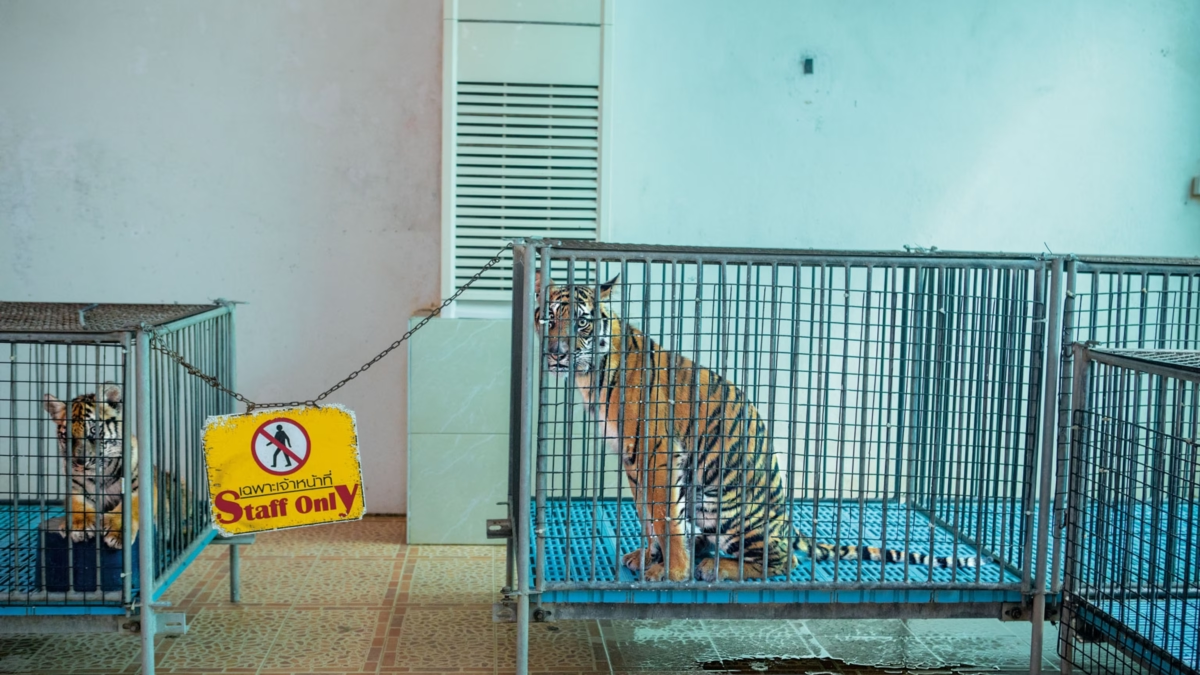
Exotic animal as a pet? A new guide can help you tell.

  • Conservation
  •  Legality
  • Public health
  • Invasiveness
  • Welfare

Conservation

Wild populations of some exotic pets are rapidly declining, and the animals themselves can endure stressful, inhumane conditions while being smuggled to their destination. Naturally found in only two lakes in southern Mexico City, axolotls are a critically endangered species for several reasons, including the pet trade. Demand grew as consumers gravitated towards the big eyes and smiling expressions.

Exotic pets must be obtained legally and directly from a reputable rescue centre, breeder, or supplier. including making sure they only sell live exotic pets to people who know how to care for them.

Should Exotic Animals Be Pets

 Legality

However, exotic pet ownership is also regulated at the state, county, or city level. Many of these regulations exist for either conservation, public, or environmental protection purposes. It is important to know and follow the relevant laws at the federal, state and city levels.

Axolotls are a protected species in Mexico, and international regulations are in place to ensure that the trade does not harm wild populations.

Public health

All pets pose some risk to human health. It has the potential to spread zoonotic diseases or cause physical harm to people through bites and scratches, knowing the source of an animal, reducing risks from species-specific disease risks, their behaviour and welfare requirements. Help is available. But usually, those are easily avoidable and treatable, like salmonella. And they do not have physical attributes that can harm a person.

Should Exotic Animals Be Pets
A girl plays with a domestic rabbit on the street. Pet concept. . High quality photo

Invasiveness

There is always the risk that if pet wasps are released into a habitat similar to their native home, they could cause major ecological damage, such as out-competing native salamanders. Should you no longer be able to keep your pet, contact your local rescue centre, responsible pet store, accredited zoo, veterinarian, or other trusted home to find someone who will? Can take it in. Do not post your animal for sale online and never release them into the wild.

Welfare

Axolotls are adorable, but they require very specific care. Their diet, water quality, and living environment are hard to maintain at home. Handling them can also cause stress and harm their protective layer. If you want a cuddly pet with low maintenance, an axolotl is not the right choice.

What makes a good exotic pet?

  • Considered to be domesticated and/or have been in the pet trade for decades
  • Responsibly bred in captivity
  • Not endangered with extinction in the wild, and those that aren’t regularly targeted by traffickers
  • Not protected by law
  • Not a known carrier of a serious zoonotic disease
  • Not known to be aggressive or venomous, don’t have large powerful jaws, or other physical attributes that are harmful to others
  • Not invasive to the region they would be housed in
  • How to care for the animal is well known, and the correct veterinary care, food and housing are readily available
Should Exotic Animals Be Pets

Tracking Exotic Animal Ownership and Incidents

When local laws exist, it often falls to local animal control departments to field calls and handle incidents involving exotic animals. Even in areas where exotic animals are not prohibited, it is still beneficial to the health and safety of the public – and to the welfare of the animals – to keep tabs on exotic pet ownership. When animal control officers have better visibility on who owns exotic pets, it’s easier to provide the education and resources needed to ensure that both animals and citizens are safe.

Conclusion 

Exotic animals may look interesting, but they are not good pets for most people. They need special care, food, and living spaces that are hard to provide at home. Many exotic pets get stressed, sick, or behave badly in captivity. Some can bite, attack, or spread diseases to people. The illegal trade of exotic animals also hurts wild populations and the environment. Some species are even at risk of extinction. Laws exist to control owning exotic pets. Before getting one, you should learn about its needs, check if it’s legal, and be ready for the long-term care it requires.

Exotic Animals as Pets articles

Exotic Animals as Pets articles

Exotic pets are animals that are not native to a region or are wild. They are becoming more popular. Some people like them because they are different. But others worry about the animals and the risks. Here you learn the Exotic Animals as Pets articles to know about them.

Researchers have studied exotic pets. They have learned about the animals’ health, diseases, and the environment. Many exotic animals are not happy in captivity. They are stressed, bored, and have bad living conditions. Some can also be dangerous to people.

People have different opinions about exotic pets. Some think responsible owners can help animals. Others think the risks are too big. As more people want exotic pets, we need to think about ethics and keep the animals safe.

What is an exotic pet?

An exotic pet is a pet that is relatively rare or unusual to keep or is generally considered a wild species rather than a pet. This may include reptiles, amphibians, insects, arachnids and some mammals or birds.

Examples of exotic pets

  • Reptiles Snakes, lizards, turtles
  • The amphibian frog
  • Insects, butterflies
  • Arachnids tarantulas, scorpions
  • Mammals Hedgehogs, sugar gliders
  • Birds parrots
Exotic Animals as Pets articles

Where do exotic pets come from?

Wild: Some exotic pets are captured from the wild. This practice is often harmful to the animal and can disrupt ecosystems.

Breeding facilities: Many exotic pets are bred in captivity. This can be a more ethical option if the animals are well cared for.

Pet stores: Some pet stores sell exotic animals. However, it is important to choose a reputable store that can provide information on the animal’s care and health.

Online retailers: Exotic animals can also be purchased online. However, this can be risky, as there is no way to know the quality of the animal or the seller.

What are the risks to humans who own exotic pets?

Exotic pets can be dangerous. Many retain their wild instincts. This can lead to injuries. Large parrots like macaws have hurt owners. Even small reptiles, like turtles, can spread dangerous bacteria. Apes, such as chimpanzees, are the most dangerous exotic pets. They are incredibly strong. They can also give humans serious diseases.

What are the risks to exotic pets in captivity?

Even when exotic pets survive the journey from the wild or breeding facilities, many die soon after arriving home. This is because owners often lack the knowledge or money to create a suitable habitat. Small pets like hedgehogs and sugar gliders can be easily crushed. Birds can fly away and die in cold weather. Veterinarians don’t always treat exotic animals. This makes getting care difficult.

How does the exotic pet trade harm the environment?

Taking exotic species from the wild can harm the breeding population. Exotic animals can also damage the ecosystem when released. For example, pythons released in Florida have harmed birds. These non-native pythons thrived in Florida’s climate. They reproduced and ate birds that had no defences against them.

Understanding Exotic Pets

Keeping pets is not about cats and puppies. It includes a whole lot of creatures, like reptiles, birds, and small mammals. Each sort of pet has its very own unique trends and care needs. Reptiles need particular environmental situations. Birds must have social interaction and intellectual stimulation. Small mammals need proper diets and spacious enclosures. Understanding and meeting those desires is vital. It guarantees the well-being of extraordinary pets. It allows you to build a sturdy bond between you and your pet.

Nutrition

Malnutrition and its problems are often seen in animals. The right weight loss program is essential for your puppy’s health. Many illnesses arise from missed meals in rabbits, parrots, chickens, puppies, and cats. Their diet affects their health and lifespan. All these relate to nutrition. Vegetables and sparkling water are also very important for them but in the right amounts. Everyone’s nutritional wishes are one of a kind. Some eat vegetables, some plants. Some are carnivores, some eat insects. It can also result in life-threatening diseases. So, we should meet all their nutritional needs. Which is suitable for them.

Closeup of beautiful flamingos group searching for food in the grass. Vibrant birds on a green lawn on a sunny summer day. Flamingo standing on one leg

Regular healthcare

Get regular vet check-ups to prevent diseases and solve your pet’s health issues. Help them grow up. Protect their health, including their eyes, nose, and skin.

  • wellness and problem-based appointments
  • digital radiography
  • soft tissue and orthopaedic surgery
  • Nutrition, behavioural, and husbandry counselling
  • Avian, small mammals, and reptile boarding
  • an in-house laboratory that provides many diagnostic test results

exotic pet boarding wing, beak, and nail trims

Is it wrong to own an exotic pet?

  • Exotic pet ownership comes with risks, expenses, and time commitment, and often requires permits.
  • Many exotic pets cannot return to the wild after being raised in captivity.
  • Exotic animal rescues often have animals seeking responsible homes.
  • Before getting an exotic pet, ensure you have the knowledge, skills, time, and resources to care for it.
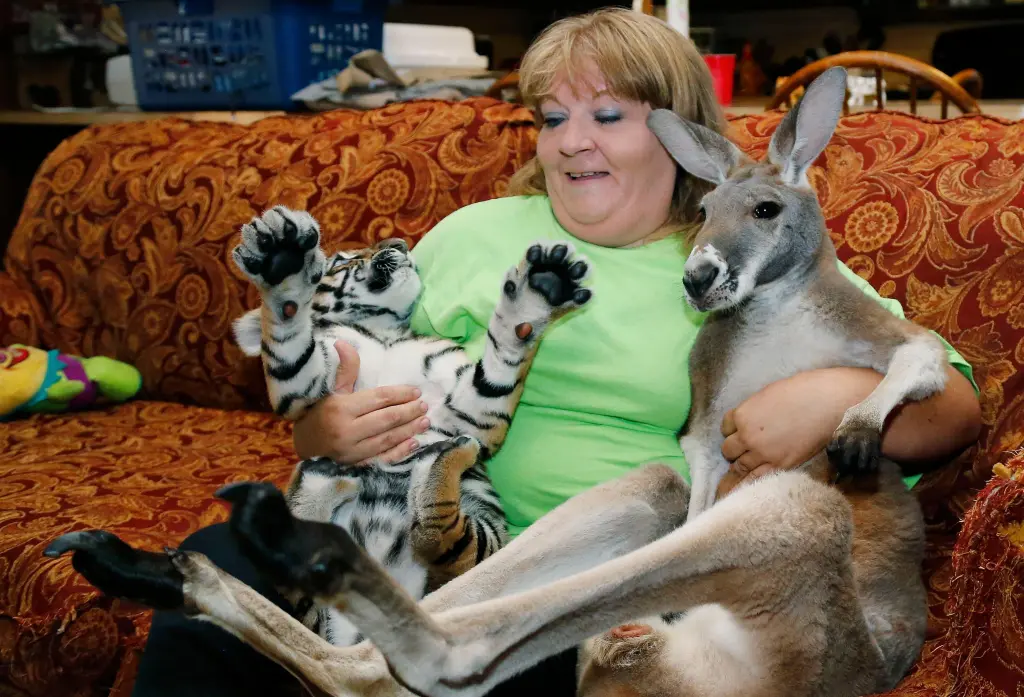
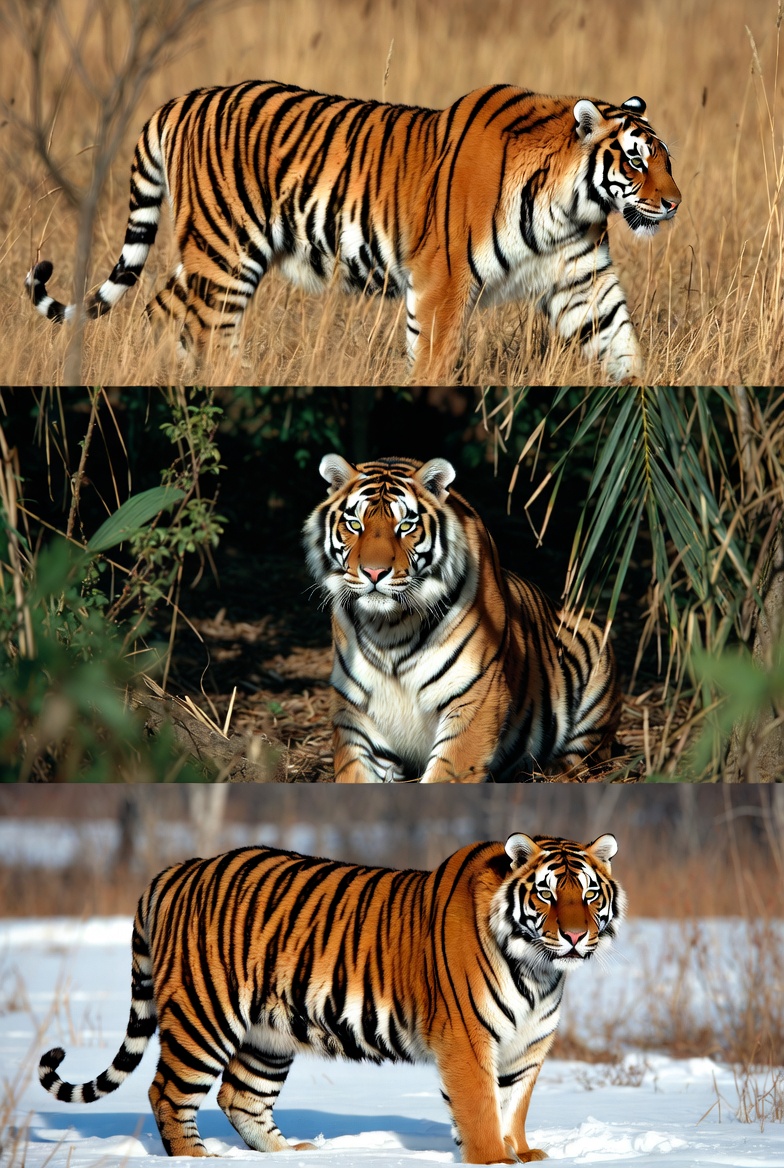
  • Some species, like lions, primates, and tigers, should never be kept as pets.

How Can I Help Exotic Animals in the Wild And in Captivity?

  •  If you choose an exotic pet, take all precautions to ensure the animal cannot harm humans, himself/herself, or other animals.
  •  Follow all laws regarding the ownership of exotic pets.
  •  If you choose an exotic pet, always adopt from a reputable rescue.
  • Never release exotic species into the wild.
  •  Inform your friends and family members about the problems associated with the exotic pet trade.

Tips for Choosing Exotic Pets

Here are a few hints for deciding on Exotic Animals as Pets articles and unique pets:

Research: Learn approximately the animal’s wishes and conduct.

Space: Make certain you have sufficient room for the puppy.

Diet: Confirm you can provide the proper meals.

Health: Understand not unusual health issues and care wishes.

Legal: Check if the puppy is permitted in your region.

Cost: Calculate the price of purchase and ongoing care.

Time: Ensure you have time for proper care.

Exotic Animals as Pets articles

Unique characteristics of exotic pets

Here are some unique characteristics about Exotic Animals as Pets articles.

  • Exotic pets look very distinctive from not unusual pets.
  • They frequently want unique diets, like insects or particular flora.
  • Their behaviours can be precise, together with being active at night.
  • They require precise residing conditions, like special temperature or humidity.
  • Some have long lifespans and want long-term care.

Care Requirements for Exotic Pets 

Habitat: Set up the proper residing space with the right temperature and humidity.

Diet: Give the precise meals they need.

Health: Watch for illness and visit a unique vet.

Exercise: Provide space and sports for movement.

Enrichment: Add toys and hiding spots to keep them lively.

Conclusion

Exotic Animals as Pets articles like reptiles, birds, and small mammals are becoming more popular. However, owning them comes with big risks and responsibilities. Many of these animals suffer in captivity because owners don’t provide the right food, habitat, or healthcare. Some exotic pets can hurt people or spread diseases. Catching and selling exotic animals also hurts wild populations and damages ecosystems. Before getting an exotic pet, you need to check local laws, understand the costs, and be ready to commit. It’s important to adopt from trusted rescues and never release them into the wild. Owning an exotic pet requires research, effort, and care to keep both the animal and people safe.
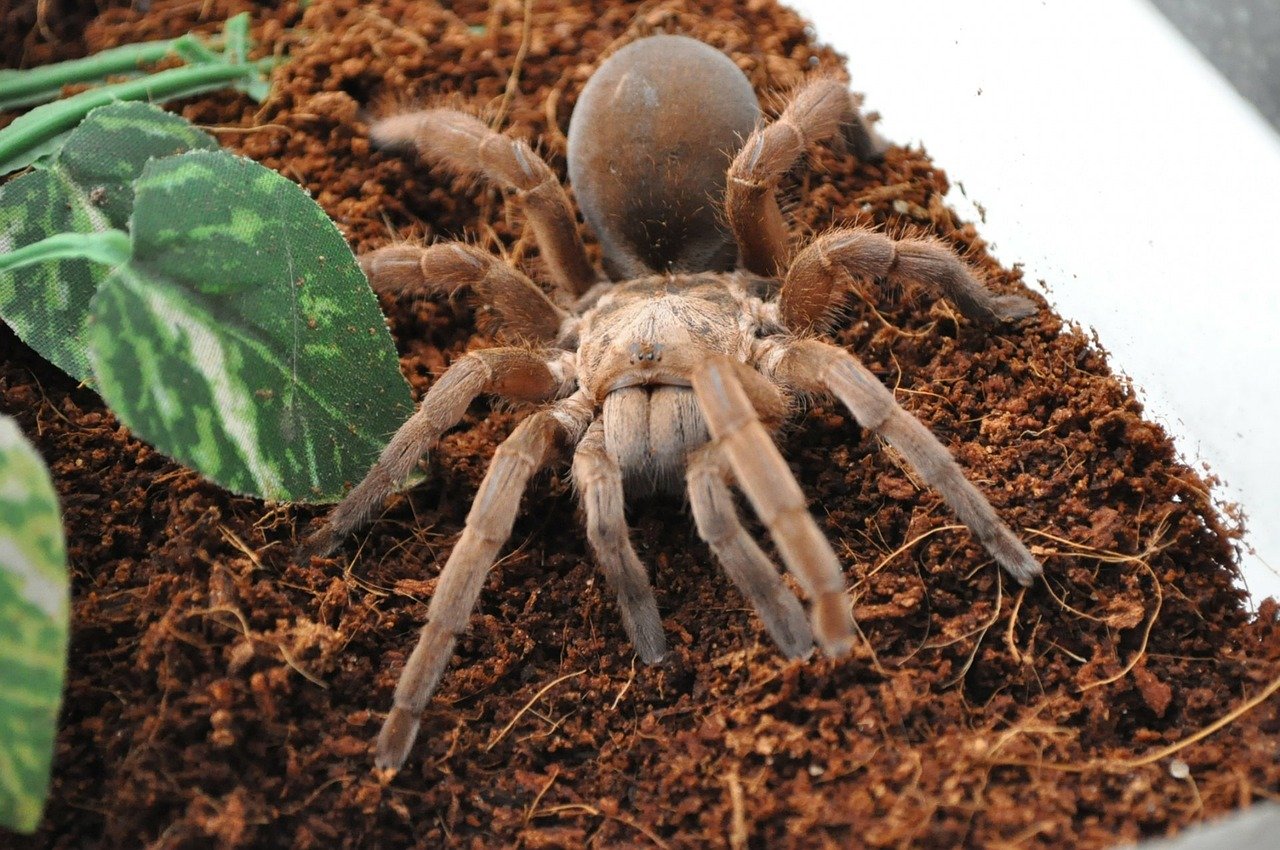
should people keep exotic animals as pets

Should People Keep Exotic Animals As Pets?

The term “exotic animal” encompasses many species ranging from large, non-domesticated felids to monkeys to venomous snakes. However, there are concerns about the care and keeping of these species, as well as the legality and ethics of owning such animals. This refers to the fact that Should People Keep Exotic Animals As Pets? The care these species require goes beyond that of typical pets, and many vets are uncomfortable providing treatment.
Exotic pet ownership has increased significantly in the last several years worldwide and in the United States. Nearly 60% of households in the United States own pets, and almost 15% have exotic or non-traditional species (AVMA). Many owners of unusual pets work hard to complete the necessary paperwork to have their animals authorized.
Animal lovers are divided. For some of them having an exotic pet is a cool thing and a display of love for the animal. Moreover, they spend a lot of money and time taking care of their pets. Owning a pet is always a responsibility, but owning a dangerous or wild animal is more so. For others, allowing exotic pets means endangering wildlife. Snakes, spiders, chameleons, scorpions, and monkeys have become increasingly common pets. 

What type of care does my pet need?

Basic Care

You must know about basic care Should People Keep Exotic Animals As Pets? Each exotic pet has different care and feeding requirements, and inadequate care often leads to illness. It is important to research your pet’s needs before you bring it home and work hard to meet or exceed the minimum care requirements.

Checkup Schedule 

Schedule a checkup with your veterinarian soon after bringing your new pet home; this will allow you to establish a relationship between your new pet and veterinarian as well as to discuss your veterinarian’s husbandry and medical care recommendations. Although many exotic pets do not need vaccines, regular exams are important to detect any emerging health issues.

When are exotic animals kept as pets?

We know people purchase exotic pets because they’re animal lovers. Animals bring joy to our lives, so it’s understandable that we’d want them to be part of our home. However many exotic pet owners are unaware of the suffering their animals endure.

Issues related to the keeping of wild animals as pets

Issues related to Should People Keep Exotic Animals As Pets?

  • Basic needs are not met: Many snakes, lizards, tortoises, and turtles die within one year of becoming pets.
  • Insufficient nutrition: in our investigations, we found that captive green iguanas, turtles, and other reptiles often suffer from soft bone disease due to poor diet.
  • Unhealthy contact:  Snakes kept as pets in Canada have been linked to a salmonella outbreak, involving hospitalizations.
  • Confined in tiny spaces: Snakes are often kept in undersized tanks, in which they aren’t able to stretch their bodies fully.
  • Cruel captive breeding: Artificial breeding in captivity can cause ball pythons serious genetic defects
should people keep exotic animals as pets

Wild (exotic) Animals vs Pets

The terminology around the classification of animals could be clearer. Terms like wild, pets, and exotic are often used interchangeably, and, adding to the confusion, our laws and regulations use a variety of inconsistent definitions to describe the origin of an animal. Classifying wild animals as pets can lead to great suffering because wild animals belong in the wild, not in our homes.

Legal issues

Finally, it is important to note that keeping wild animals as pets is often illegal. In many cases, it is against the law to keep wild animals as pets without a special license or permit. Even if it is legal in your area, it is important to consider the ethical and welfare concerns before bringing a wild animal into your home.

Exotic animal – can be a wild or domesticated animal not native to a certain geographical region. Grizzly bears are not native to Ontario, so they are considered exotic wild animals there. Llamas, on the other hand are a domesticated species exotic to Ontario and can therefore be classified as an exotic domesticated animal.

Tame animal – a wild animal forced to live with humans, who may change their behavior due to their proximity to humans. For example, a healthy turkey vulture in the wild would not allow physical contact with a human, however, once kept in captivity they can learn to tolerate physical contact.

What Are The Issues?

It has, unfortunately, become quite common for people to adopt wild animals as pets. Whilst keeping wild animals as pets may seem like a fun and exciting idea, it can have serious consequences for both the animals and their ‘owners’. From ethical concerns, and welfare to dietary and specialist knowledge issues, there are many reasons why taking and keeping wild animals as pets is a bad idea. 

Five key principles for keeping wild animals in captivity  

Before considering an exotic species as a pet or companion animal, it is important to remember the following five key principles to be welfare-positive and ethical in our approaches to exotic pet care.

Housing needs 

  • How much space do animals need to roam, move daily, and perform essential natural behaviors?
  • Can we provide the required resources easily to promote behavioral diversity and good welfare?

Social group and space

  • Is the species naturally social or solitary? Do the social preferences of the species change with age and development?
  • Can a captive environment easily maintain a natural sex ratio and the minimum required number of animals?

   Nutrition

  • Can an appropriate diet for each life stage of the animal be easily provided?
  • If wild food cannot be sourced, are there alternative ingredients that the species will readily accept?

  Source population

  • Do the individuals in this trade come from captive breeding? Is this captive population sustainable and well-managed?
  • Does the breeder keep records? Can they verify the source and origin of all animals under their care?

Behavioral needs

  • Are the behavioral needs and natural time-activity budget of the species documented to evidence the appropriateness of a captive environment to behavioral outputs?
  • Can animals exhibit all their natural behaviors in captivity?

What types of animals make good pets?

Dogs, domestic cats, guinea pigs, domestic rats and mice, domestic gerbils, common hamsters, domestic rabbits, and domestic chinchillas. Here you must know Should People Keep Exotic Animals As Pets?

Responsibly captive-bred parakeets, canaries, cockatiels, doves, and pigeons.

Responsibly captive-bred reptiles and amphibians such as red-footed tortoises, lizards (bearded dragons, leopard geckos), snakes (corn snakes, king snakes, ball pythons), and frogs (White’s tree frog, ornate horned frogs, fire-bellied toad, red-eyed tree frog).

Tracking Exotic Animal Ownership and Incidents

When local laws exist, it often falls to local animal control departments to field calls and handle incidents involving exotic animals.Even where exotic animals are allowed, keeping track of their ownership protects both people and animals. When animal control officers have better visibility on who owns exotic pets, it’s easier to provide the education and resources needed to ensure that both animals and citizens are safe.

Conclusion

In conclusion, keeping exotic animals as pets can be a rewarding experience, but it comes with important responsibilities. Exotic pets require special care, a suitable environment, and a commitment to their well-being. Before deciding to adopt an exotic animal, it’s crucial to research their needs, check local laws, and consider whether you can provide a safe and loving home. While exotic pets can be fascinating companions, it’s essential to remember that their health and happiness should always come first. By making informed choices, we can ensure that both people and animals thrive together.

Exotic animals are not pets

Exotic animals are not pets

Exotic animals are beautiful and interesting, but Exotic animals are not pets. At the same time, many people like to have pets. Even so, this is often a costly error. The fact is that compared with dogs and cats, furry animals have their own requirements. When in their natural habitats, they are wild animals.

Studies show that exotic animals can have problems when kept as pets. They often feel stressed or anxious. For example, primates can get lonely and act out, while reptiles can get sick if they aren’t cared for properly. This shows that we must think carefully about keeping these animals.

We care for our pets and would wish to take good care of them. But we need to understand that exotic animals need different care. By helping protect them in the wild, we can show we appreciate all kinds of animals. Let’s support efforts to keep these creatures safe where they belong.

Special Needs of Exotic Animals

Exotic animals have needs that are very different from regular pets. For example, they often require special diets. Some exotic animals eat only certain types of food. Others need specific vitamins or minerals. If they do not get the right food, they can get very sick.

Habitat Requirements

Exotic animals also need specific habitats. Many of them come from tropical forests or deserts. They need space to roam, climb, or swim. A small cage is not enough. It can cause stress and make them unhappy.

Exotic animals are not pets
Red-Footed Tortoise (Chelonoidis Carbonarius) a Species from Northern South America Walking on the Ground

Space

Animals like monkeys need room to move around. They are active and need places to climb.

Environment

Reptiles, like lizards, need the right temperature and humidity. They often require special lighting, too.

Enrichment

Exotic animals need mental stimulation. They thrive when they have toys or activities to keep them engaged. Without these, they can become bored or anxious.

Behavior of Exotic Animals

Exotic animals behave differently from typical pets. They are not used to living with humans. For example, monkeys are social animals. In the wild, they live in groups. When kept alone, they can become lonely and anxious. This loneliness can lead to bad behaviors, like screaming or biting. Here you clearly know about Exotic animals are not pets.

Unique Behaviors

  • Primates: Monkeys can get very attached to their owners. However, victims can also display aggressive behavior.
  • Reptiles: Snakes and lizards often like to hide. They are not processed like dogs or cats. If they feel threatened, they may bite.
  • Birds: Parrots can be noisy and require constant interaction. Without enough attention, they develop bad habits like clipping their feathers.
Exotic animals are not pets

The Risks of Keeping Exotic Animals

Conserving exotic animals can be dangerous. They can carry potentially infectious diseases. For example, some reptiles can carry salmonella. This virus can cause serious illness. People can get sick from touching an animal or cleaning its room.

Zoonotic Diseases

Exotic animals can transmit disease to humans. This can also be caused by sensitivity, scratches, or application. Exotic animals can transmit disease to humans. This can also be caused by sensitivity, scratches, or application.

Injury Risks

Some of these exotic animals may bite or even scratch you when they are annoyed or scared. Unlike dogs and cats or more tamed animals, these exotic animals do not have a clue about how to behave around humans. Such incidents may cause an accident Sometimes, these reacting events may occur.

Long-Term Care

Many wonderful creatures not only have much longer lifespans. Some can live for decades. It means a long-term promise. A great number of individuals are not ready for such a role.

Legal and Ethical Issues

The other topical concern encompasses the legal aspects of keeping exotic animals. Some of the exotic wild animals are prohibited from being domesticated in many states around the world. This is to say that the aim of this law is to improve the welfare of animals as well as people. C) Some of the animals could be prohibited without one’s permission from possessing them. If people fail to adhere to this rule they are subjected to fines or other legal repercussions.

Exotic animals are not pets

Ethical Considerations

Caring for exotic animals raises ethical questions. When people keep these animals as pets, they are often taken from their habitat. This practice can harm wildlife. Many amazing animals are in danger. Releasing them from the wild can make their situation worse.

Endangered Species

Lots of wonderful animals exist with the current risk of their becoming extinct or are already listed as threatened. Many of them can be kept as pets this way since this will ensure that few of them are left in the wild.

Animal Welfare

Tons of special species are abandoned or surrendered to an animal shelter or rescue when the owners are no longer capable of handling them. Pet shelters that claim to handle and currently accommodate these peculiar animals rarely have adequate provisions to support such genetic wonders.

Conservation

Exotic animals should not be pets instead should adopt the principles of conservation. Sometimes keeping some parts of the environment untouched serves to protect such animals in the natural setting.

Alternatives to Keeping Exotic Animals

Instead of keeping exotic animals as pets, people can find other ways to enjoy them. Zoos and wildlife sanctuaries offer opportunities to see these animals up close. Many organizations offer educational programs that educate people about the exotic species. These experiences can foster a deeper appreciation of wildlife without harming the animals.

Other Ways to Appreciate Exotic Animals

Visiting Zoos

Zoos can offer a chance to see exotic animals in environments that resemble their natural habitats. They often have programs that teach visitors about these animals.

Exotic animals are not pets

Wildlife Sanctuaries

Sanctuaries rescue and care for animals that cannot live in the wild. Visiting these places helps people learn about conservation and animal care.

Adoption Programs

Many organizations allow people to “adopt” an animal in the wild. This means donating money to support their care without taking them from their homes.

The Importance of Education

Education is a decisive factor when considering many exotic animals. This is because most people have no idea of how much effort is needed to take care of them. Community schools for instance can be used as a medium to try and explain to people the various needs that exotic animals might require. Some classes or workshops could educate people about the duties of caring for a pet. When people are informed about their experiences they are willing to support the welfare of exotic animals.

Spreading Awareness

  • School programs: Wildlife could be a topic that schools educate learners on. The people of today can feel stimulated to start respecting animals by making good films about them.
  • Community Events: Community events can also help to increase awareness of the public with regard to the needs animals have. These events can build awareness in society about why exotic animals should not be domesticated.
  • Information: Wildlife organizations need to share information, and they do this, for instance, through papers and booklets or through a website. These resources might influence the public and teach them concerning exotic animals and their requirement.

Supporting Conservation Efforts

Another way of giving credit to fantastic animals is to donate to the preservation of species that are in peril. Numerous groups aim at conserving the threatened species and their natural habitats as well. These are groups that individuals or communities can contribute by giving their cash or offering their services. They are relevant so that rare animals can be preserved in their natural habitat. But also to increase others’ awareness regarding the consumption of wildlife and the need to preserve them.

How to Get Involved

  • Donations: Money given to wildlife organizations can be useful to them. Such money could be used to conserve biodiversity and treat injured animals.
  • Volunteering: Volunteers are required in many organizations for different activities Magen & Mor (2013). Volunteering to participate in events, fundraising, or educational services is thus very valuable.
  • Advocacy: The blessed souls people can also fight for grants rights and conservation laws. This only means that letter writing to lawmakers or participation in some form of campaign can go a long way in guarding exotic animals.

Conclusion

In conclusion, exotic animals are not pets. They have unique needs, behaviors, and risk factors that most people cannot meet. Some negative effects of confinement are such as Diseases in the animals directly relate to stress in their owners. Instead of owning exotic animals as pets, this is what should be done: conserve natural ecosystems and work to protect them. In this way, the fascination that people have known for years towards these animals can be harbored without endangering them. We also find that it keeps the exotic animals and the house safe.