Praying Mantis as a Pet

Praying Mantis as a Pet

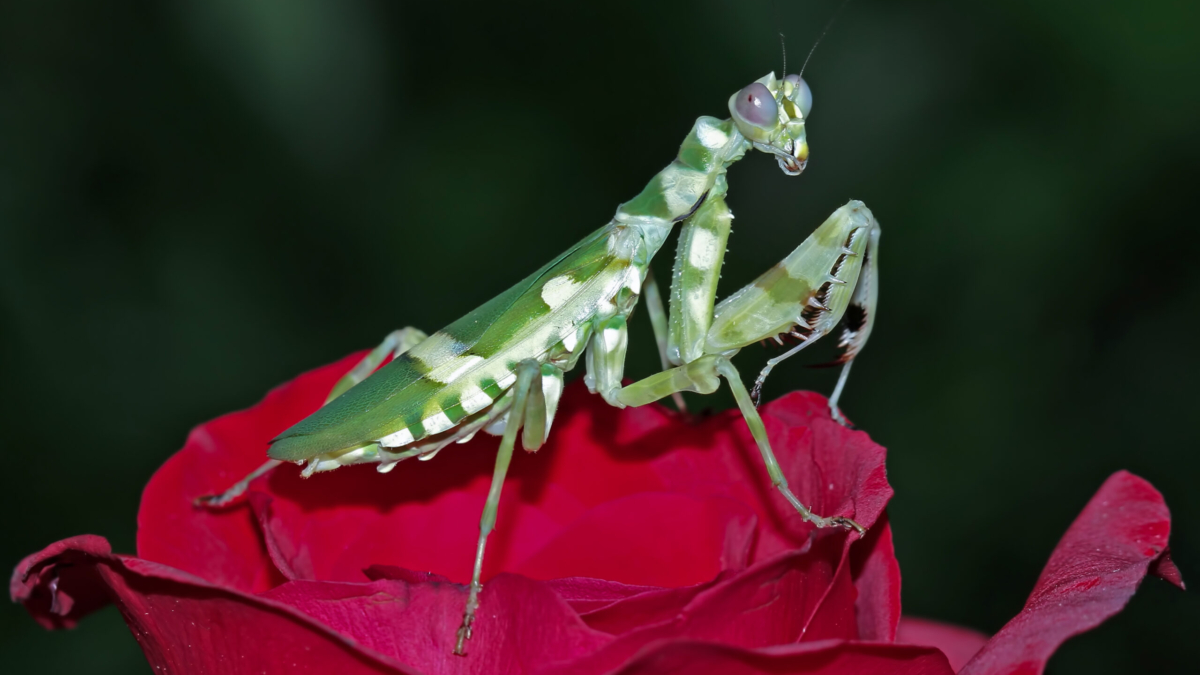
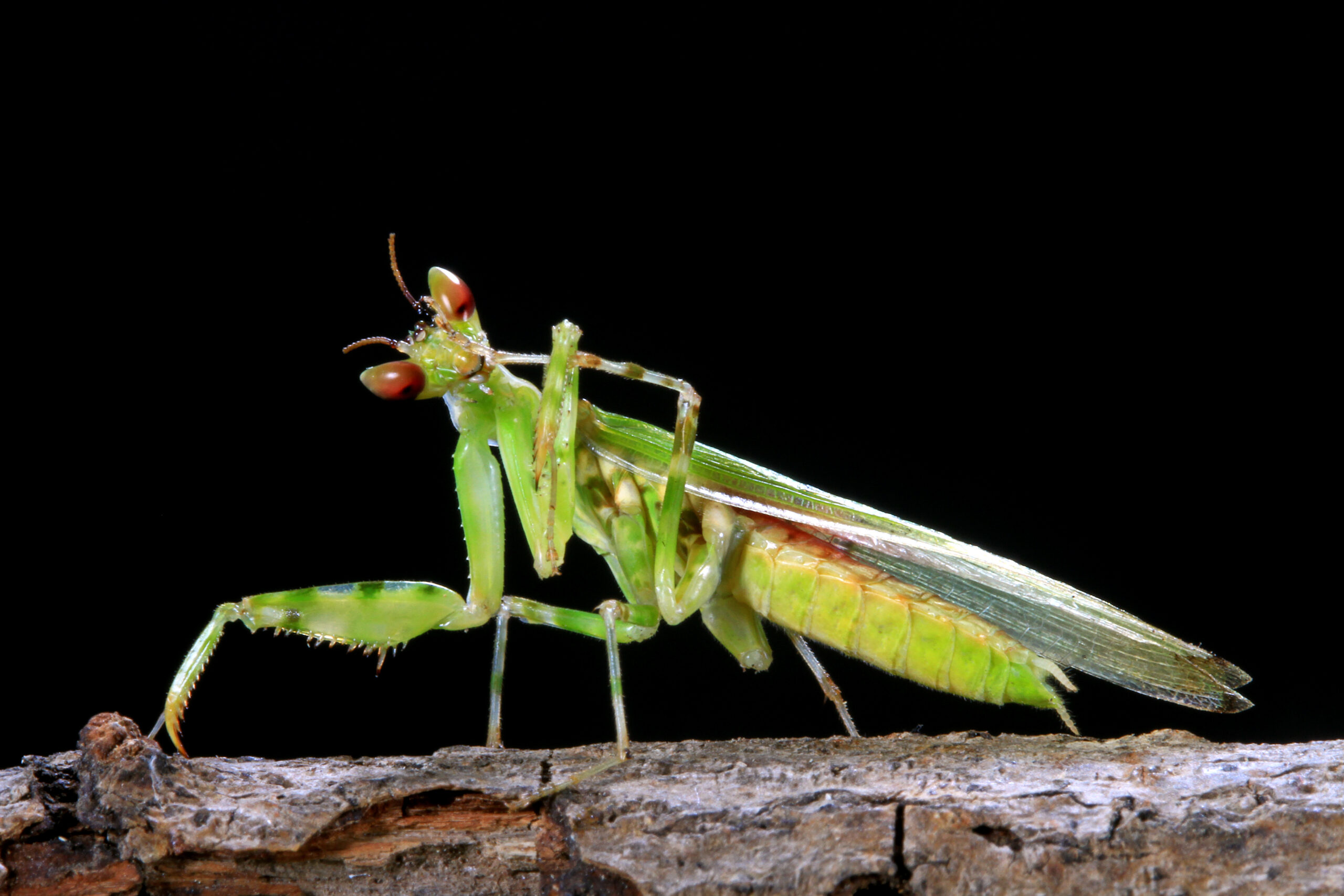
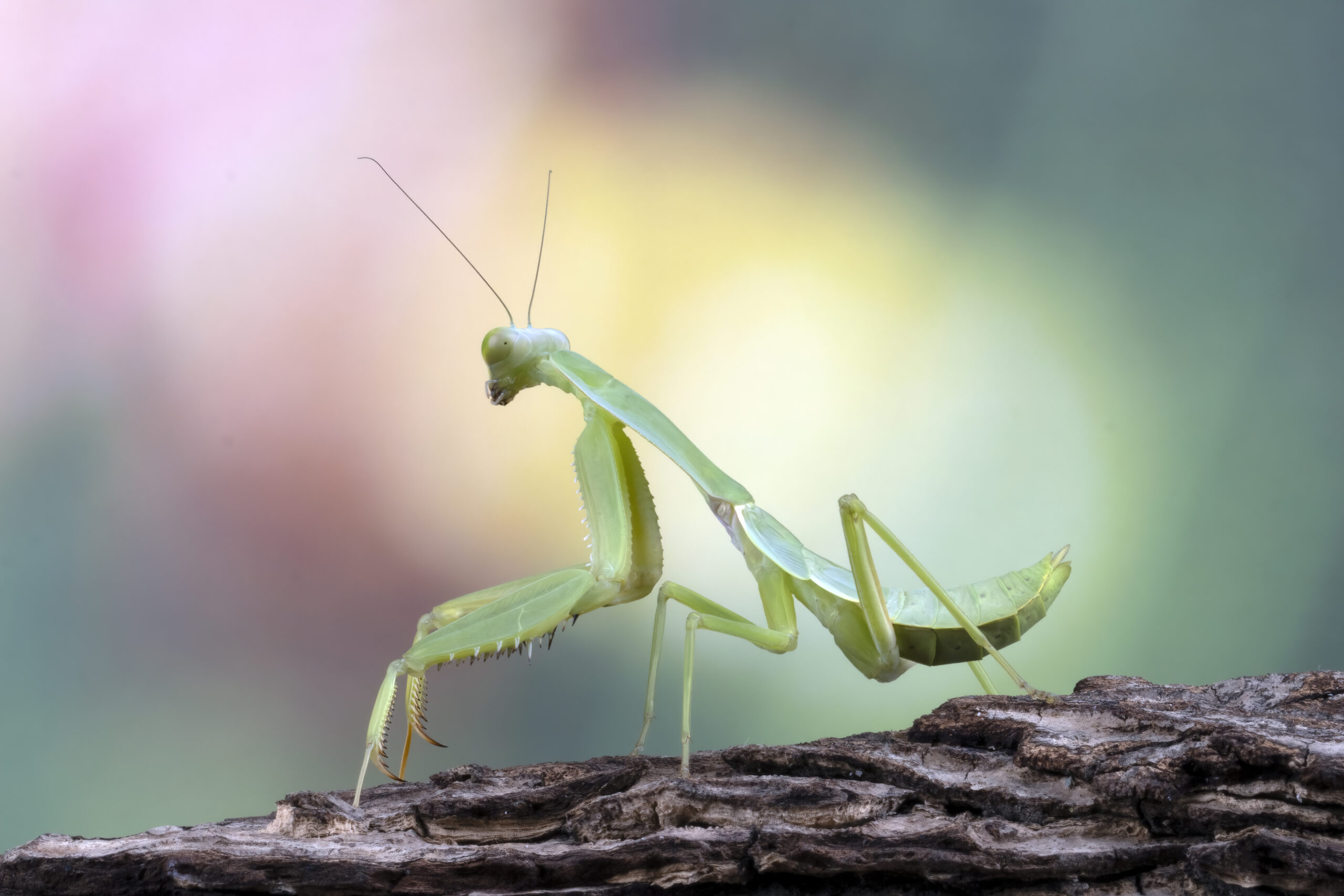
A praying mantis as a pet is an insect belonging to a specific order. The class of mantises is very diverse, representing more than 2000 species of praying mantises. It used to be used for a single species whereas now it is used for all praying mantis species. Mantises are interesting and convenient to keep as pets.

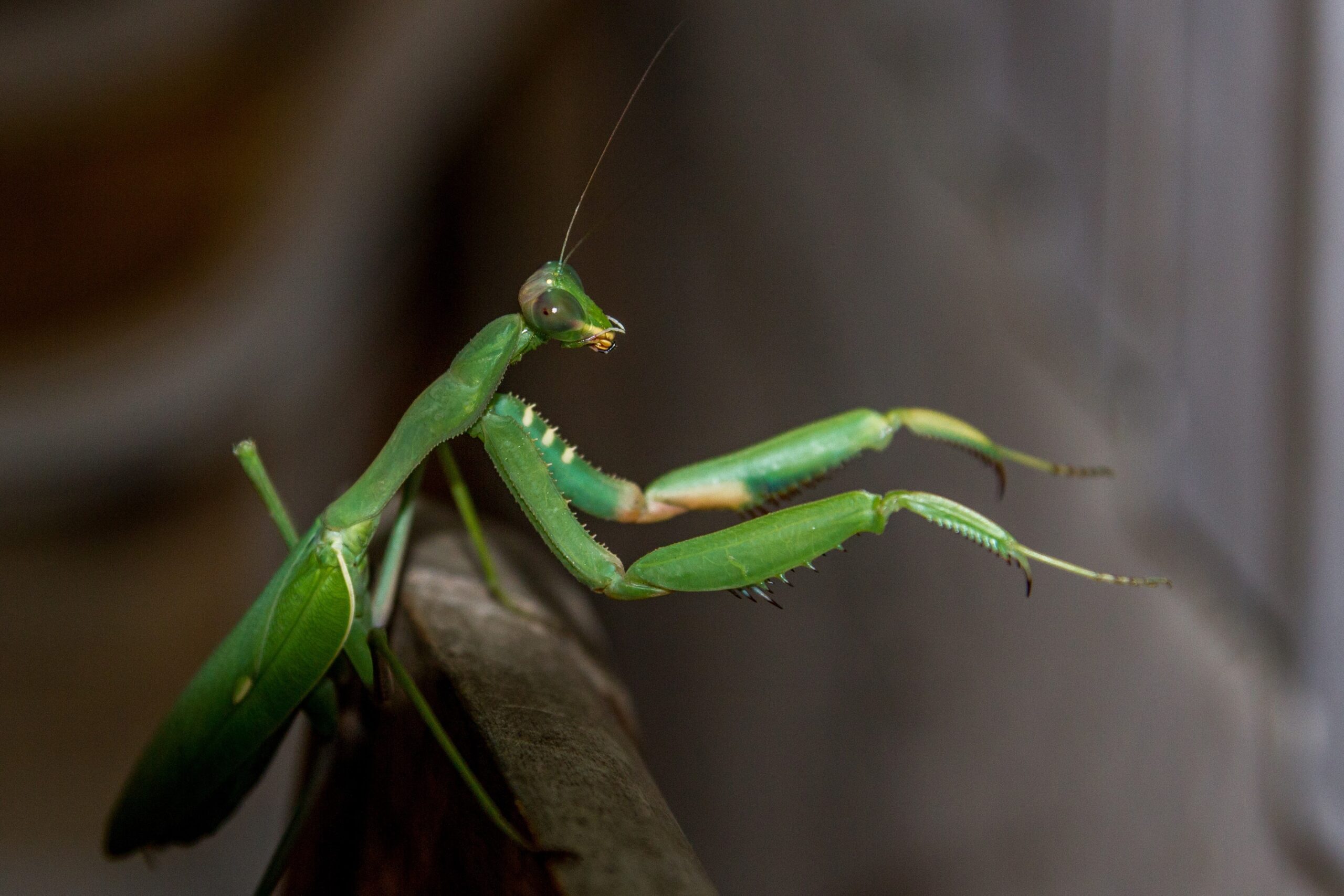
These prayer mantis got their name because they lifted the forelimbs in a prayer position, bending them on the thorax. There are some species of mantis that those who are interested in insects as pets can rear. There is a praying mantis that is suitable for beginners: the African praying mantis.

If you are curious about keeping a praying mantis as a pet, read the full article. It will be beneficial to gain knowledge about mantis.

Praying Mantis as a Pet

Can You Own a Pet Praying Mantis?

Legality

Check your local laws before getting a praying mantis, as they might be illegal in some areas. They are generally legal and are even the state insect of Connecticut. Contrary to some myths, killing a praying mantis does not incur a fine, and they help control pests for gardeners and farmers. Many care guidelines for unusual pets also apply to mantises.

Praying Mantis Behavior and Temperament

Mantis comes in many different sizes, shapes, and colors. They live in many different places, but most live in tropical climates. All mantis eat other insects and spiders. Some big mantis might even eat small animals.

Praying Mantis as a Pet
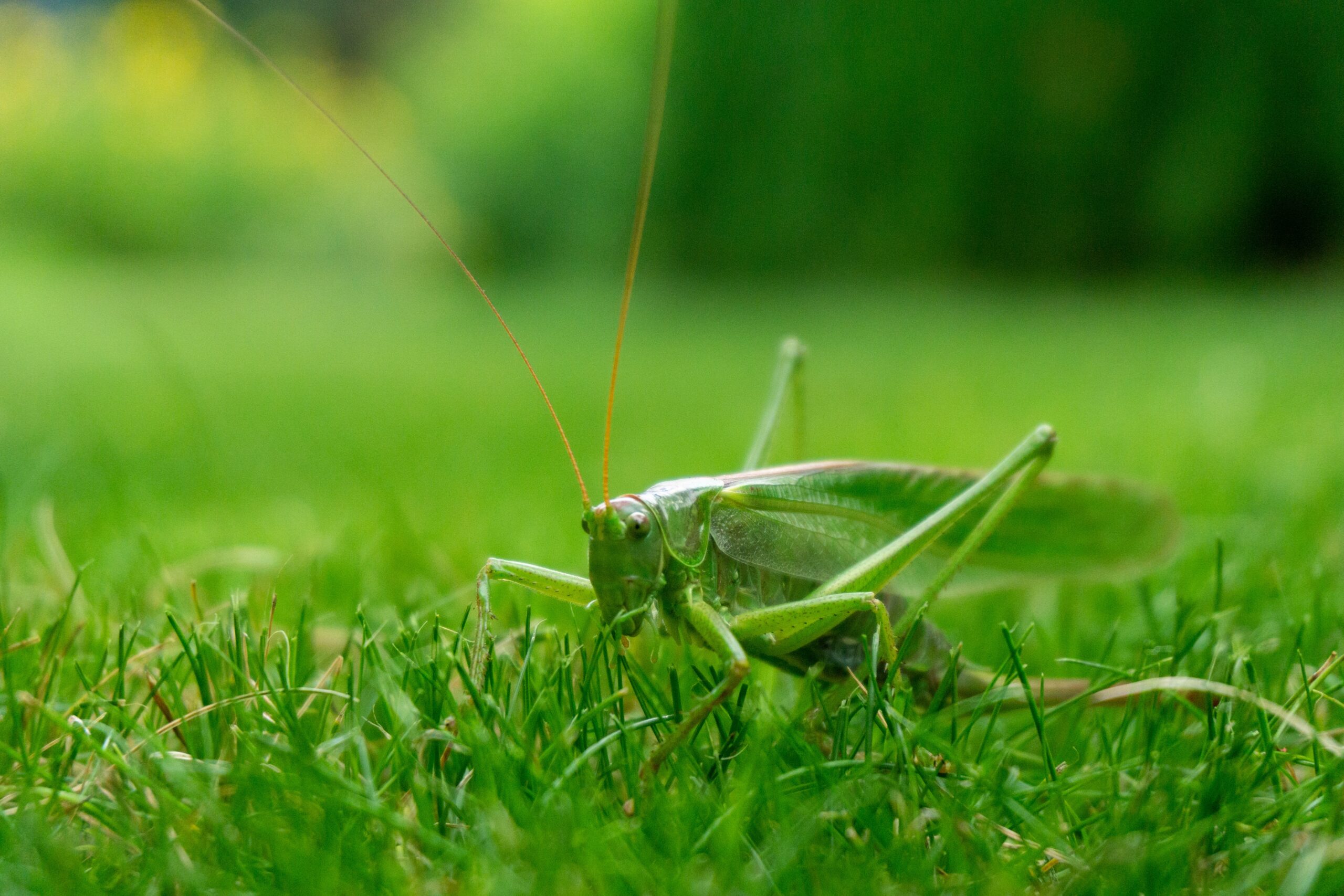
A closeup shot of a green grasshopper in the grass

Housing

Mantis should live alone. Each mantis needs a small tank. The tank should be about twice as wide and three times as tall as the mantis. A 1-square-foot tank is a good size for most mantis. The tank should be 12 inches tall to give the mantis space to molt. The top of the tank should be made of mesh. If possible, the sides of the tank should also have mesh openings.

Specific Substrate Needs

You can put a layer of soil, peat, or a mix of soil and sand or vermiculite at the bottom of the tank. This will help keep the tank moist. You should also put several twigs in the tank that reach almost to the top. The mantis will need space to climb and hang from a twig when it molts. You can also use live plants or fake plants but do not put too many in the tank. Your mantis will need space to move around, hunt, and molt.

Praying Mantis as a Pet
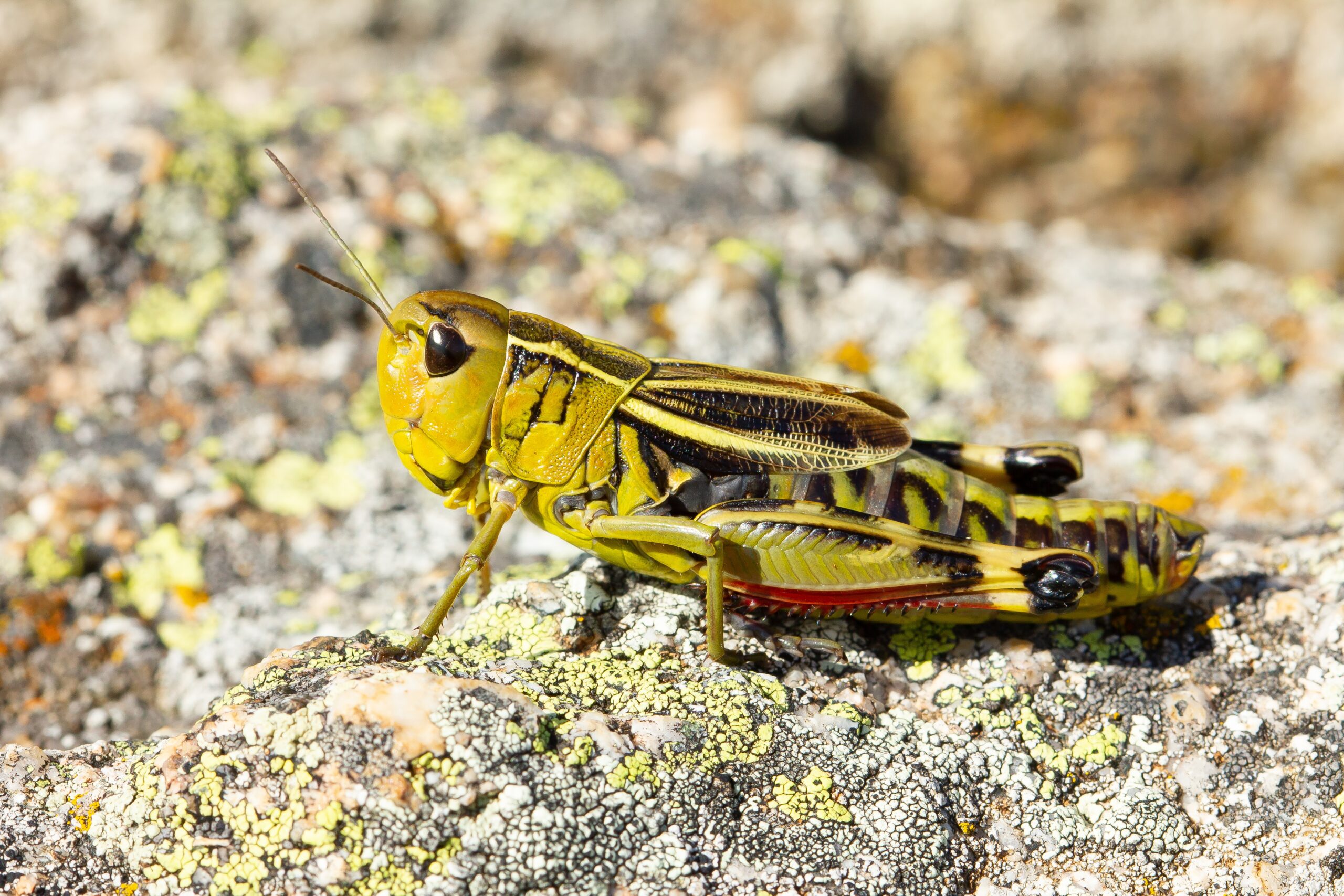
A soft focus of a green grasshopper on a rock on a sunny day

Exercise

If your mantis has enough space to climb around in its tank, that is all the exercise it needs.

Grooming 

Mantis clean themselves. If you try to clean them, you could hurt them.

Shedding

Mantis molt their entire outer shell. You will often find the old shell at the bottom of their enclosure. Mantis often eat their old shells because they are full of nutrients.

Bathing

You do not need to bathe or groom your mantis. It cleans itself!

Size Information

Praying mantises vary in size, from 1 to 6 inches long, depending on the species.

Common Health Problems

Mantis can get sick from food poisoning due to dirty feeder insects, so always buy food from a trusted seller. If a juvenile mantis isn’t eating, it might be preparing to molt. Mantis molt up to 10 times, and they might lose a limb if their cage is too dry but could grow it back later. Avoid handling them during molting because they are very fragile. Be aware that after mating, the female mantis sometimes eats the male’s head, which can be fatal.

Pros & Cons of Keeping a Praying Mantis as a Pet

Mantis are fun and easy pets to have. They do not need much care and they do not take up much space. But mantis only live for about a year. Most mantis only live for four to eight weeks after they molt into adults.

Purchasing Your Praying Mantis

You can find mantis in nature. They are known to be great at camouflage. Don’t expect to catch a mantis in your compound if you have no idea how to take care of it, where to put it, and what it feeds on. If not, it is best to leave it alone after staring at it for some time. You can also buy mantis from some pet stores or online. They can give you exact instructions on how to care for and feed your new pet.

A selective focus shot of a green praying mantis with a blurred background

Reproduction & Breeding

The person you buy your mantis from should tell you about how they raised the mantis. They should also give you instructions on how to care for your mantis.

Conclusion

Praying mantises belong to more than 2,000 species, and their front limbs mimic a praying posture. They are meant to be carnivorous and feed on insects, spiders, and occasionally small animals. Most mantis live in tropical climates and should be kept alone in a tank that’s twice as wide and three times as tall as the mantis, with mesh tops and sides. The tank should have soil, twigs for climbing, and minimal plants. Mantis need no additional exercise or grooming, as they clean themselves and can lose limbs if their tank isn’t humid enough.

 They molt up to 10 times, shedding their old shell, which they often eat for nutrients. Mating can be risky, with females sometimes eating the male’s head. Mantis are low-maintenance pets but live only about a year, with adult mantis surviving four to eight weeks post-molt. You can find them in nature or buy them from pet stores, which provide care instructions.

Should You Keep a Stick Insect as a Pet?

Should You Keep a Stick Insect as a Pet?

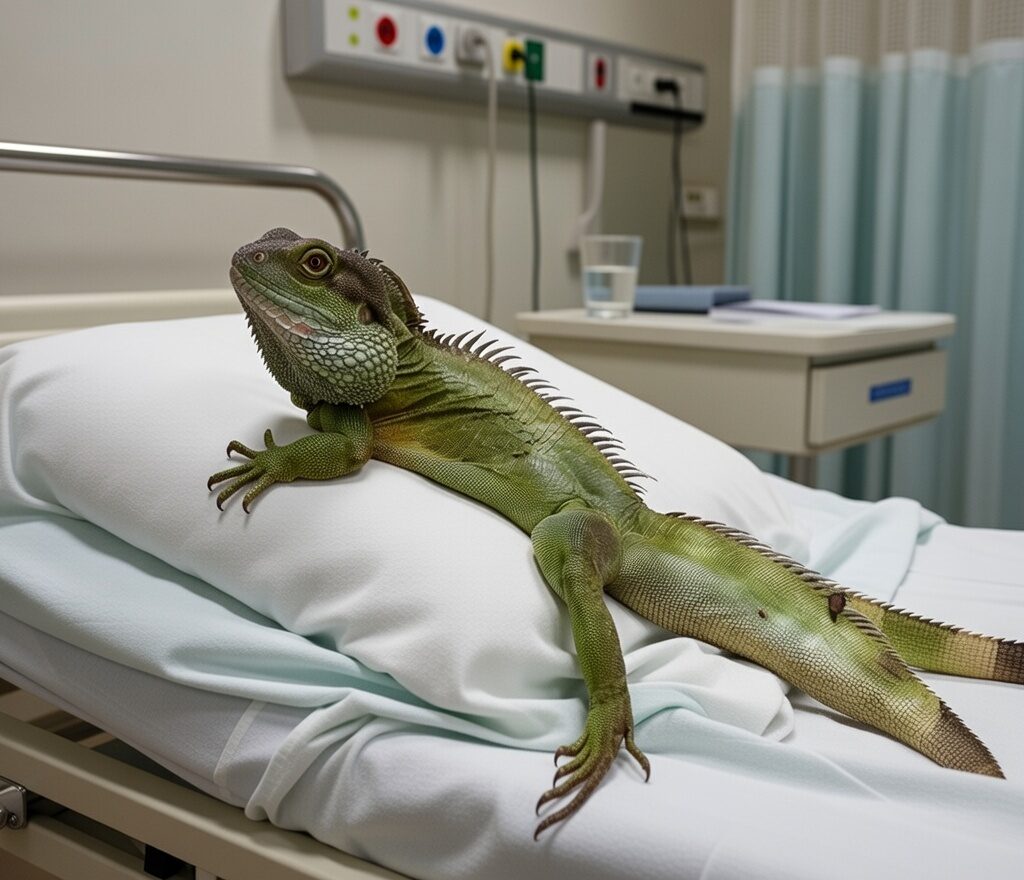
Should You Keep a Stick Insect as a Pet? Chinese water dragons are green lizards from tropical rainforests in Asia. They are active during the day and like to live in big, tree-filled cages. Their color can change from green to brown with different humidity and temperatures. They can be handled but might need some time to get used to it. The food habits of these animals include plants and insects. You have to ensure that they are in the right conditions in regard to humidity and heat. If properly taken care of they can live for a period of between 10-15 years. 

Should You Keep a Stick Insect as a Pet? Scientists claim are Chinese water dragons are arboreal reptiles from Asia. They need high humidity and steady temperatures to stay healthy. Males can grow to 36 inches and are brighter in color. Females are smaller and less colorful. Dealing with them may be time consuming since they may feel nervous. Lizards are herbivores and carnivores as well; they feed on plants and insects and small animals. If well taken they can live up to a period of 10-15 years. 

Chinese water dragons are originated from Asia’s rainforest and they are categorized as lizards. A habitat could be to climb trees, and do nothing other than taking the sun.. Males are big and colorful, up to 36 inches long. Females are smaller and less bright. Their color changes with the humidity and temperature. They need time to get used to being handled. Their diet is plant materials and insects. Make their hose warm and humid. If properly taken care off, they may live up to a period of ten to fifteen years. 

What is Chinese Water Dragon

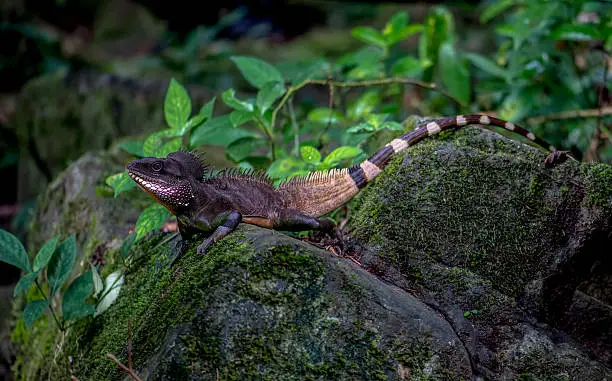
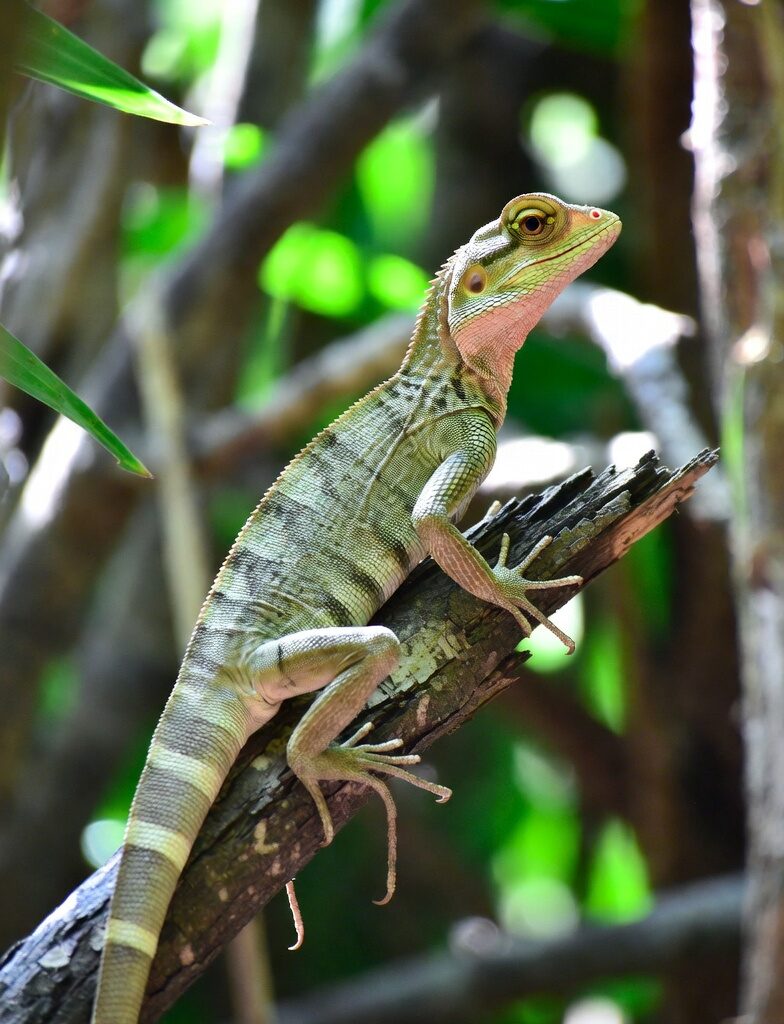
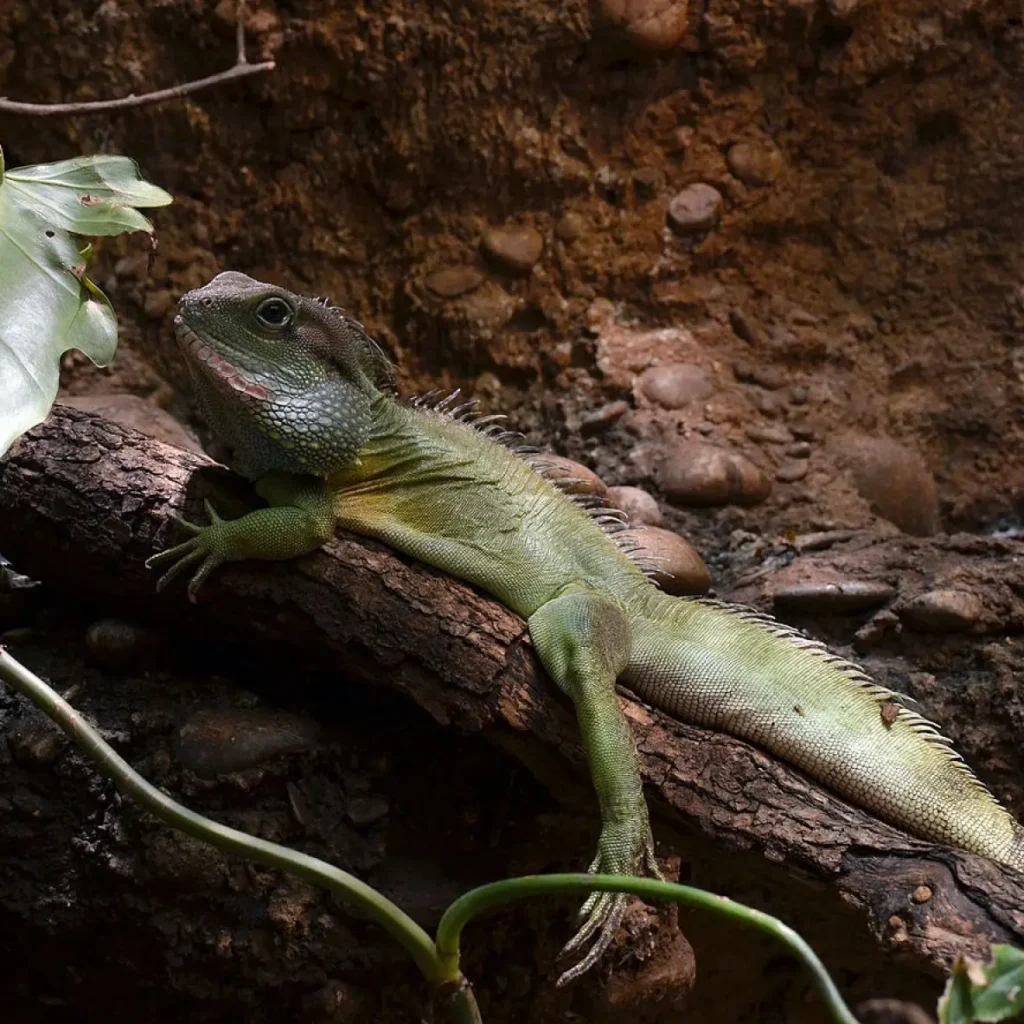
Chinese water dragon is a strange type of lizard that if gets frightened has a tendency to run for water. They can dive and make about thirty minutes under the surface of the water. They have bright green color and they are stripetail. They are usually 3 feet long. Chinese water dragons can be dark or light green. Chinese water dragons range from dark to light green. They have green or turquoise vertical, diagonal stripes on their bodies. Their bellies are white or pale yellow and their throats are a mixture of yellow, orange and peach. The long tail is narrow and made of green and brown.

Chinese Water Dragon Behavior and Temperament

These lizards are one of the friendliest species. In general, they enjoy handling.You need to handle them often to keep them calm. If they are scared, they might bite their tail or act aggressively.

.If the Chinese water dragon is scared or feels threatened, it may bite its tail or lash out. They are quite active in their environment and like to climb on rocks, trees, branches or plants. They are also good swimmers and are happy when there is water in their wall as well. Chinese water dragons are social animals. They thrive in captivity when they are in pairs or groups.

Activities of Chinese Water Dragons

Chinese water dragons are lively and curious reptiles that thrive in semi-aquatic environments. They excel at swimming, diving, and hiking, requiring each water and vertical area in their habitat. Basking below a warmth source is important for his or her temperature regulation and digestion. Their weight-reduction plan includes bugs, small vertebrates, and various fruits and greens. Although usually solitary within the wild, they can coexist in captivity if added well. They periodically shed their pores and skin, which is aided by using retaining proper humidity. Providing a various and enriched environment facilitates preserve them healthful and inspired.

Housing the Chinese Water Dragons

Chinese water dragons come from very warm environments so they struggle with the cold climate in the UK and need heat and light to thrive.

Small dragons can feel exposed and scared in large open spaces so we make sure to include lots of decorations. These can be removed as the dragon grows in size and becomes accustomed to its environment, allowing more room to move around and be surrounded.

Heating and Lighting for Chinese Water Dragons

Gastrotheca earth colouration should seek shelter in warm areas in their space. Place a lamp which is a basking lamp at one end in order to warm it to the 32-35℃ (90-95℉) range.Use a thermostat to keep this temperature steady. Turn the lamp on for 10-12 hours each day. The other end of the enclosure should be cooler, at room temperature.

Nighttime and Monitoring

At night, turn off all lights. Place a ceramic heater on the warm end to keep it at 27℃ (80℉) while the cool end drops to room temperature. Use a timer to control the UVB light and basking lamp. The ceramic heater should run all the time but will only heat if needed. Check temperatures with thermometers. A slight temperature change is okay, but keep the cool end cool. Digital thermometers are more accurate than dial ones.

Humidity

Provide a large water dish with fresh water for your dragon. Make sure the dish is big enough for swimming and sleeping. If the dragon turns dark green or brown and appears lifeless while drowning, it may hold its breath for up to 25 minutes. Change the water daily and clean the bowl weekly to prevent bacteria build-up. Maintain humidity at about 80% or by using an automatic mister, such as the Exo Terra Monsoon or Zoo Med Reptifogger. For swimming, use a bathtub or kid pool if the dragon is used to it from a young age.

Chinese Water Dragon Diet and Nutrition

Chinese water dragons eat crickets, mealworms and small feeder fish, with adults also enjoying pink mice. To keep them healthy, feed insects every 2 to 4 weeks and avoid wild insects and fireflies. Also, offer well chopped green and other root vegetables like the collard and sweet potatoes further include a restricted quantity of fruits like the strawberry and mangoes. From birth till 2 weeks old feed the dragons daily, starting from 2 weeks and up to 2 months feed the dragons every other day From 3 months old till adulthood feed the dragons 2-3 times a week. They have to adjust on the size. Finally, take calcium with vitamin D3 with every other meal, and take a vitamin and mineral supplement once a week. Do not take them together.


How to train your dragon 

To train your dragon first you need to encircle it where it is able to see what you are doing and then at the same time pull food inside.Talk to the dragon so that it becomes familiar with your voice. Do things nearby like changing the water or cleaning, but avoid touching the dragon. This helps the dragon get used to your presence. Dragons respond well to food, so if they perceive you as a source of food, they will trust you more quickly. Once the dragon starts coming to you for food, start catching it gently. Training can even take several months and with time your dragon will be comfortable to sit on your shoulder or even on your head. 

Conclusion:

To ensure that you properly care for the Chinese water dragon then you have to provide for their needs. It means they require warm, bright and, relatively humid conditions in their natural environment.Their home should be big with lots of branches and plants. Feed them insects, vegetables, and sometimes fruits. Use supplements to keep them healthy. Be patient when handling them.It takes time before they capture the energy that you bring along with the confidence that you exhibit. Like any other pet, Chinese water dragon needs proper care and with that your pet will live long and happily. 

Best Foxes as Pets

Best Foxes as Pets

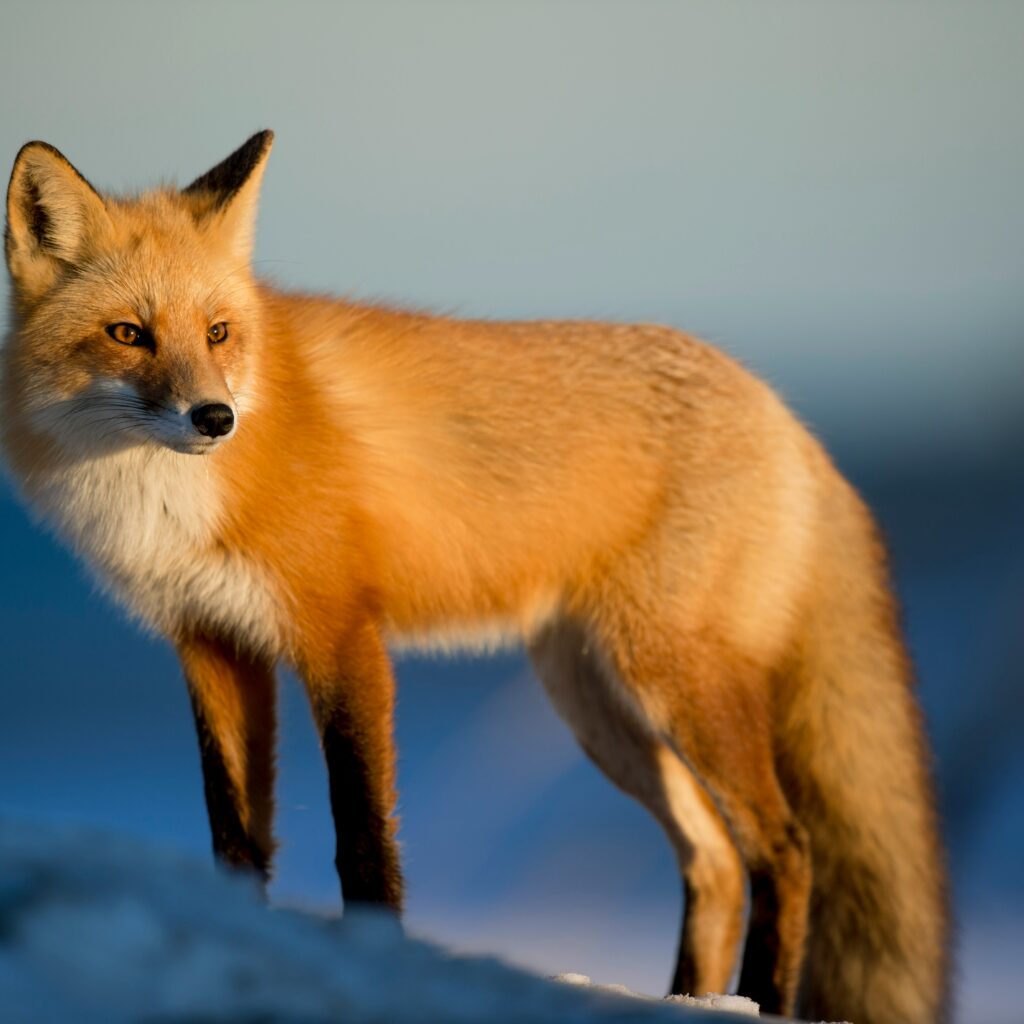
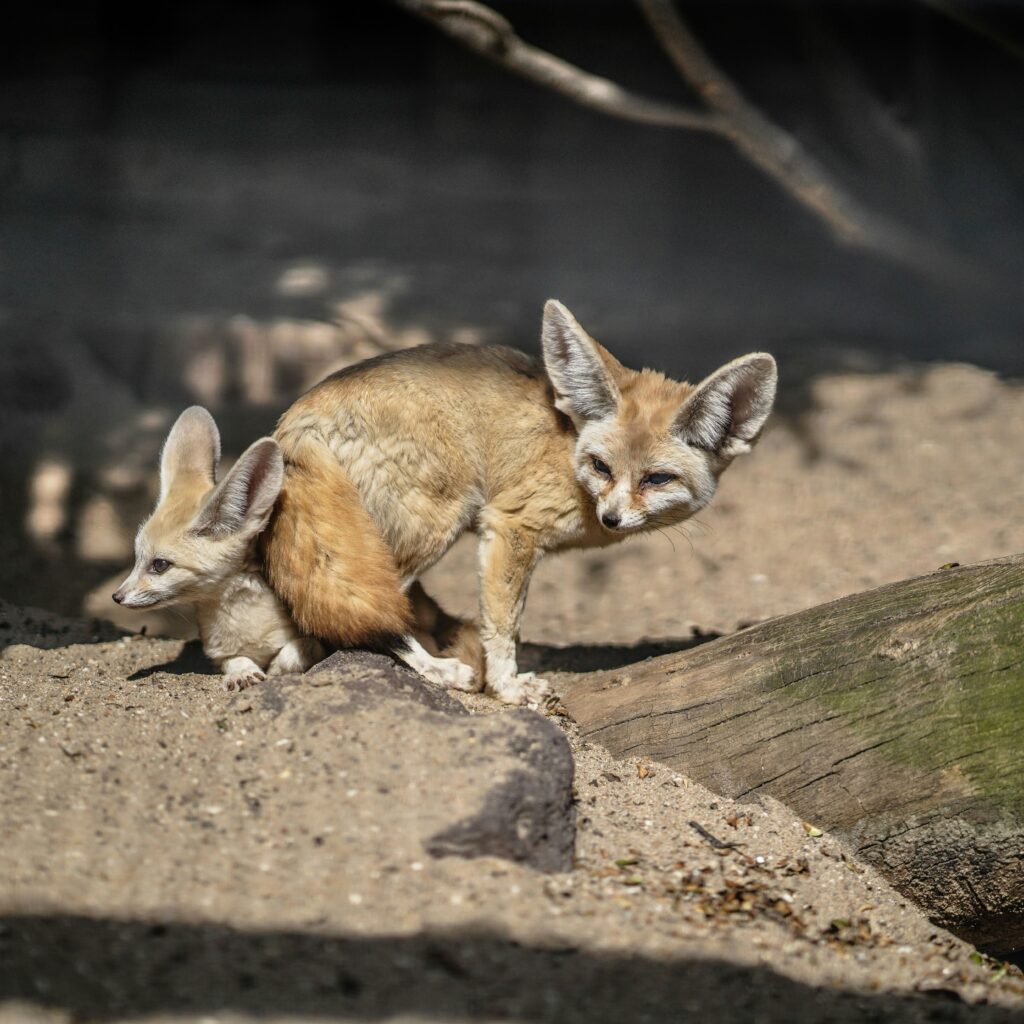
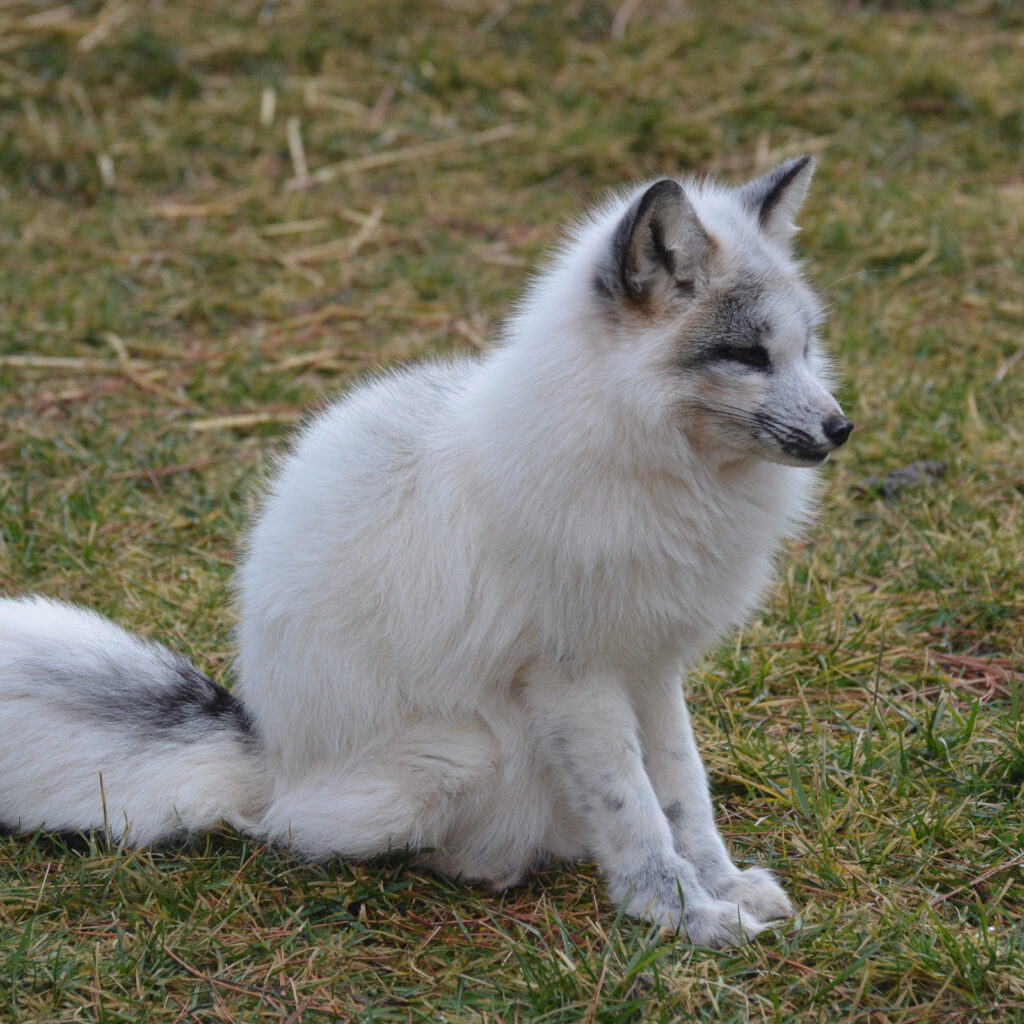
Not all Best Foxes as Pets species are suitable for domestic life, and fox ownership often comes with unique challenges. There are many species of fox, and knowing each type is crucial before making any decision. Some of the most suitable foxes to be tamed are the Fennec, the Arctic, and the red foxes. Fennec foxes are small in size, gregarious, and hence suitable for domestication. Arctic foxes are known to be hardy animals, living in cold areas, and also bear a cool temperament. Red foxes, therefore, are more active, and adventurous too and hence have higher energy levels but are friendly if adequately tended to. 

Domesticated foxes behave more like dogs; therefore, researchers have conducted many studies on these animals. Through selective breeding, the Russian Farm Fox Experiment showed that selecting foxes over generations makes them more tame and humane. However, the researchers Exotic Pets are keen to state that foxes, including domesticated ones, still possess some level of wild behavior that may not make them typical pet animals. 

It is very interesting, as well as rather complicated, to own a fox as an Exotic pet; it is necessary to meet certain responsibilities. They have special demands on their diet, they feed on various insects and small mammals. Moreover, foxes can experience disorders such as dental issues and parasites as well as lung sickness. It is therefore important that they get good veterinary care, as well as a good home where they will gladly live. Also, it is advisable to find out the laws and regulations concerning foxes especially those on owning and possessing a fox because these laws may differ from country to country. 

Best Foxes as Pets

10 Best Foxes to Keep As  Exotic Pets

Exotic pet Foxes, though they look like domesticated dogs, stand out as the only canines that climb trees. Pet foxes are charming, clever, and known for their ability to escape. They require specific training and socialization, including learning to use a litter box and interacting with family and other pets. 

The rules for keeping foxes vary from state to state, so consult with the local laws, some states consider foxes as exotic or wild animals. Some fox species have been domesticated for a long time while others are more suited for domestication than others.

  • Fennec Fox
  • Red Fox
  • Silver Fox
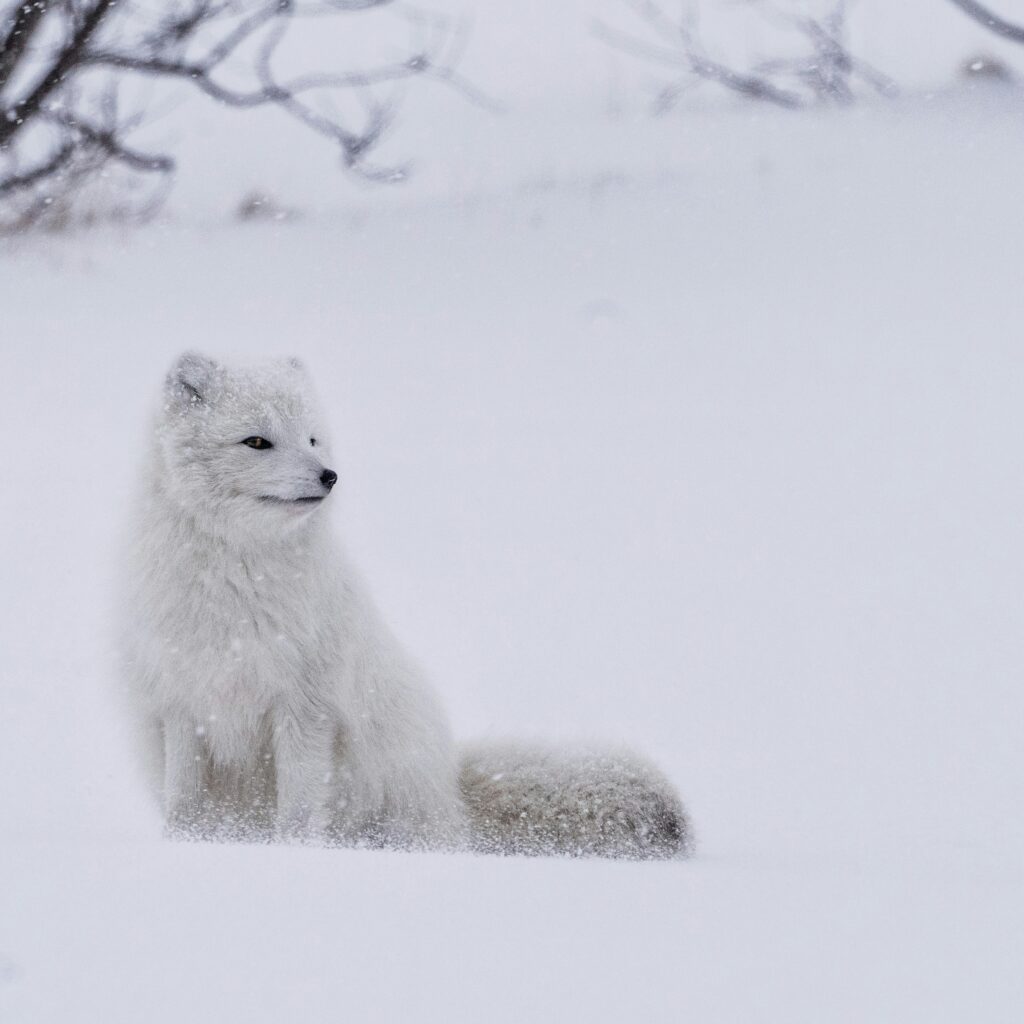
  • Arctic Fox
  • Gray Fox
  • Bat-eared Fox
  • Swift Fox
  • Kit Fox
  • Pale Fox
  • Corsac Fox

Fennec Fox

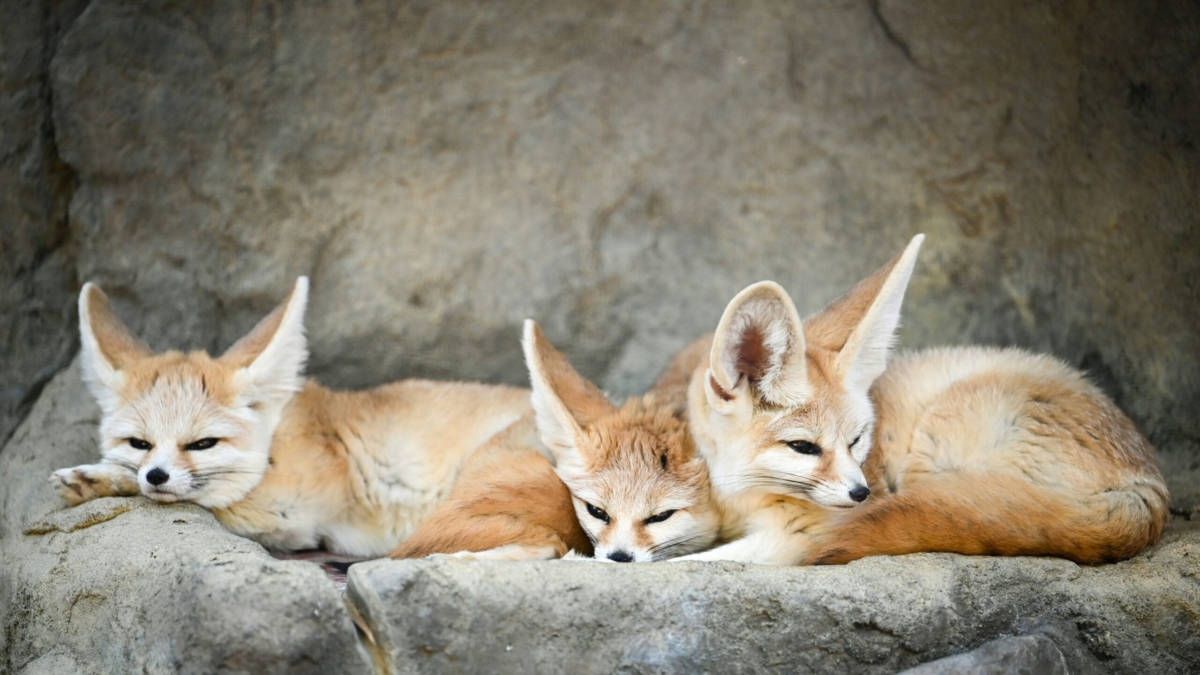
The big-eared fennec fox is one of the most popular exotic fox breeds raised for homes. Private facilities in the United States breed fennec foxes, and buyers can purchase them for a few thousand dollars. Their small size, long lifespan, and friendly nature make them ideal pet foxes.

People commonly domesticate the fennec fox, which is the smallest fox species in the world. Because of its tiny size, the fennec fox is vulnerable and requires protection from other domestic animals. It also has a large repertoire of sounds: cries, rumbles, roars, howls, bawls, rasps, howls, and rasps. 

Best Foxes as Pets

Characteristics

Size: Small, weighing about 1.5 to 3.5 pounds.

Age: About 10-14 years in captivity.

Temperament: Active, lively, and social. They can be quite affectionate with their owners but need a lot of mental and physical stimulation.

Maintenance requirements

Red Fox

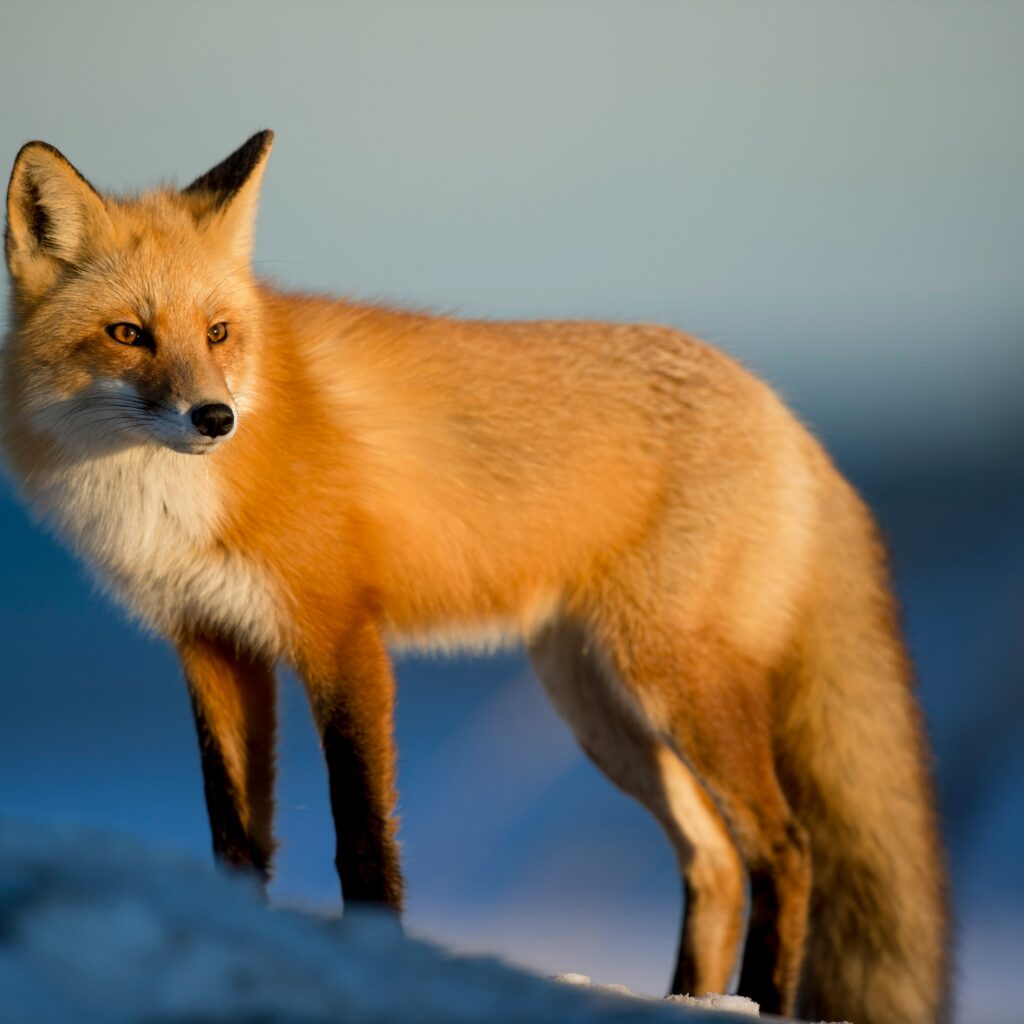
The Red fox Exotic pet, is common all over the world, and it is an adaptable animal. Vulpes, more commonly known as the red fox, is the most widely recognized fox species and ranks among the most versatile and invasive mammals in the world. Red fox is not as famous as the fennec fox but those who own one claim that it is as adorable as a member of a house. The group’s native habitat range is the boreal forest zone stretching across the entire northern hemisphere of America, Europe, Asia, and North 

 Characteristics

Size: Medium, weighing about 10-15 pounds.

Lifespan: Around 3-4 years in the wild but can live up to 14 years in captivity.

Temperament: Intelligent, curious, and independent. Red foxes can be more aloof than other pet fox species and require a lot of space and enrichment.

Silver Fox

Silver fox is also called tame Siberian or domesticated foxes; they are subspecies of red foxes bred in Russia for selective breeding. These foxes possess some unique characteristic features and genetically they are slightly different from wild-type red foxes. Their care is like any other fox breeds and for easier caring go for fennec fox or gray fox.

Curious and contemplative swift fox in the wild.

Characteristics

Length: 36 to 42 inches

Weight: 8 to 15 pounds

Physical Characteristics: Long snouts with large pointy ears  black to bluish-gray to silver coat with a white-tipped tail silver hairs may be scattered all over

Arctic Fox

This fox skin varies in size and its weight ranges from 6 to 17 pounds with a length of 18 to 26 inches the fur is bushy and thick and its color changes according to the season of the year. It has white fur in the winter and brown or gray fur in the summer which is the same color as the ground.

Characteristics

Size: Small to medium, weighing about 6-10 pounds.

Lifespan: Around 10-15 years in captivity.

Temperament: Playful, curious, and active. Arctic foxes can be social but may be more reserved than Fennec foxes.

Gray Fox

The gray fox Urocyon cinereoargenteus was long the dominant fox in America but the source indicated that human influence favored the spread of red foxes. Friendly and not so aggressive, gray foxes are more familiar with people than other fox breeds. Even so, they cannot completely housebreak, although their urine is less vigorous than other foxes. They can cause problems indoors by digging, marking territory, and chewing on things. Gray foxes require careful handling if kept as pets.

Characteristics

Size: Medium, weighing about 8-15 pounds.

Lifespan: Around 6-10 years in the wild, up to 14 years in captivity.

Temperament: Shy but curious. Gray foxes can be more reserved and may take longer to bond with their owners.

Care Needs

Gray foxes need a large and secure outdoor enclosure with climbing structures, a diet of meat, fruits, and vegetables, and regular interaction to prevent boredom.

Bat-eared Fox

Unfortunately, carnivores such as bat-eared foxes, and Otocyon megalotis inhabiting African plains mainly feed on insects such as termites and dung beetles. They can be domesticated to be taken as pets, they are fed with meats and vegetables. Owners must provide escape-proof enclosures, as these foxes dig and scent mark. Keeping them indoors is possible, but they need specific care similar to other fox species.

Characteristics

Length: 18 to 26 inches

Weight: 6 to 12 pounds

Physical Characteristics: Unusually large ears; yellowish-gray coat; black face and legs; Black-tipped ears and tail

Swift Fox

Swift foxes Vulpes velox are native to North American grasslands and are rare in the exotic pet trade. They have a loving temperament, are quieter and less energetic than fennec foxes, and may be easier to litter train. These omnivores eat grasses, fruits, small mammals, carrion, and insects. In the wild, they live up to 6 years, but as pets, their lifespan can extend to 14 years.

Characteristics

Length: 31 inches

Weight: 4 to 7 pounds

Physical Characteristics: Dark, gray, tan coat color that extends to yellowish tan on its flanks and legs.

Kit Fox

This trait is mostly associated with the kit fox, also known as Vulpes macrotis, which is closely related to the swift fox and is indigenous to the southwestern region of North America. They are curious, not very afraid of people, and can easily become attached to their owners. Kit foxes are known not to vocalize often when they do it is low barking or grunting.

Characteristics

Length: 12 to 20 inches

Weight: 3 to 6 pounds

Physical Characteristics: Big-eared; grayish orange topcoat with a white underbelly; black-tipped tail

Pale Fox

The yellow fox Vulpes pallida, native to the Sahara desert, is rare in the exotic pet trade and can fetch more than $4,000. They are less scented, easier to train, and have a friendlier nature than fennec foxes. , producing loud howls like fennec foxes.

Characteristics

Length: 15 to 17 inches

Weight: 4 to 6 pounds

Physical Characteristics: Pale, sandy-colored coat; whitish underbelly; long-bodied; relatively short legs

Corsac Fox

Corsac foxes (Vulpes corsac) come from northern Asia and are rare as pets in America, but more common in Britain. They are often compared to sharp foxes in behavior, grooming, and appearance. Corsac foxes are easy to potty train but have a scent mark and strong-smelling urine. They shed profusely once a year in the spring and need regular bathing to avoid a smelly coat. A climbing structure is recommended for indoor living.

Characteristics

Height: 19 to 24 inches

Weight: 6 pounds

Physical Characteristics: Thick, soft gray coat with silvery tones and whitish underside; black-tipped tail

Conclusion

Foxes as pets mean that people should be ready to devote much time to looking after their pets as the car within their family. Both fox types are unique, and they have particular requirements to meet so that they can have a healthy and happy life. Of feeding, sheltering, or socializing, having a fox isn’t like having any other typical type of tadpole or another animal. It’s essential for anyone considering this to deeply research the species they want and understand the legal requirements in their area. Many places have strict laws about exotic pets, so checking local regulations is key. Owners also need to create a safe, stimulating environment to keep these intelligent, active animals happy.

Care for a Pet Curly Hair Tarantula

Care for a Pet Curly Hair Tarantula

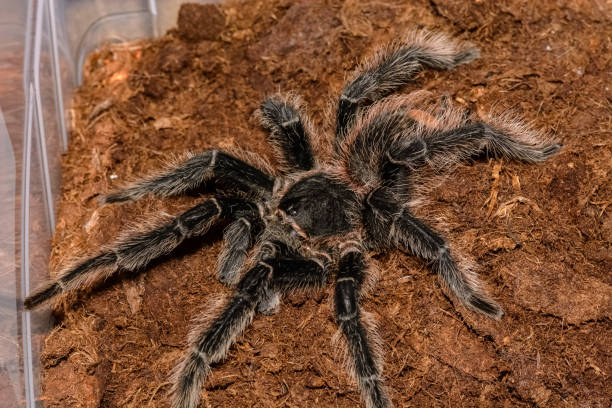
Care for a pet curly hair tarantula requires attention to their specific environmental needs and behaviors. These spiders are known for curl-like hairs and passive nature and therefore can be recommended to first-time owners of pets. To be healthy and live long, these creatures require a proper environment, proper diet and as little interference from humans as possible. Being aware of their actions and readiness will make you be able to ensure that a tarantula is living a healthy life. Place a water dish of a shallow depth and offer fresh, gut-loaded crickets or roaches at least once or best twice a week.Clean the habitat monthly and ensure plenty of hiding spots.

Researchers note curly hair tarantulas make great pets for beginners due to their calm nature. Their venom causes little harm to humans unless allergic reactions occur. They also adapt well to captivity with proper care, showing minimal stress. Proper care for a pet Curly Hair Tarantula ensures it lives a long and healthy life.

Care for a Pet Curly Hair Tarantula
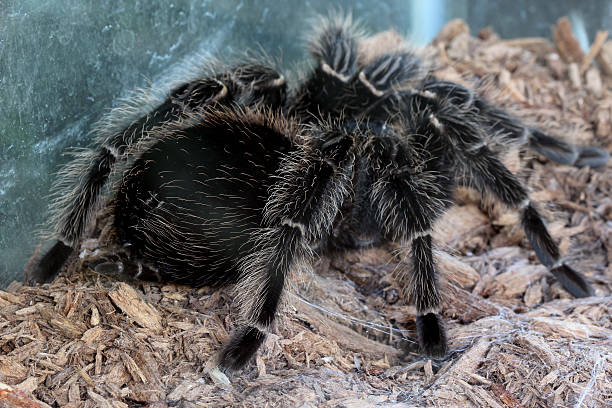
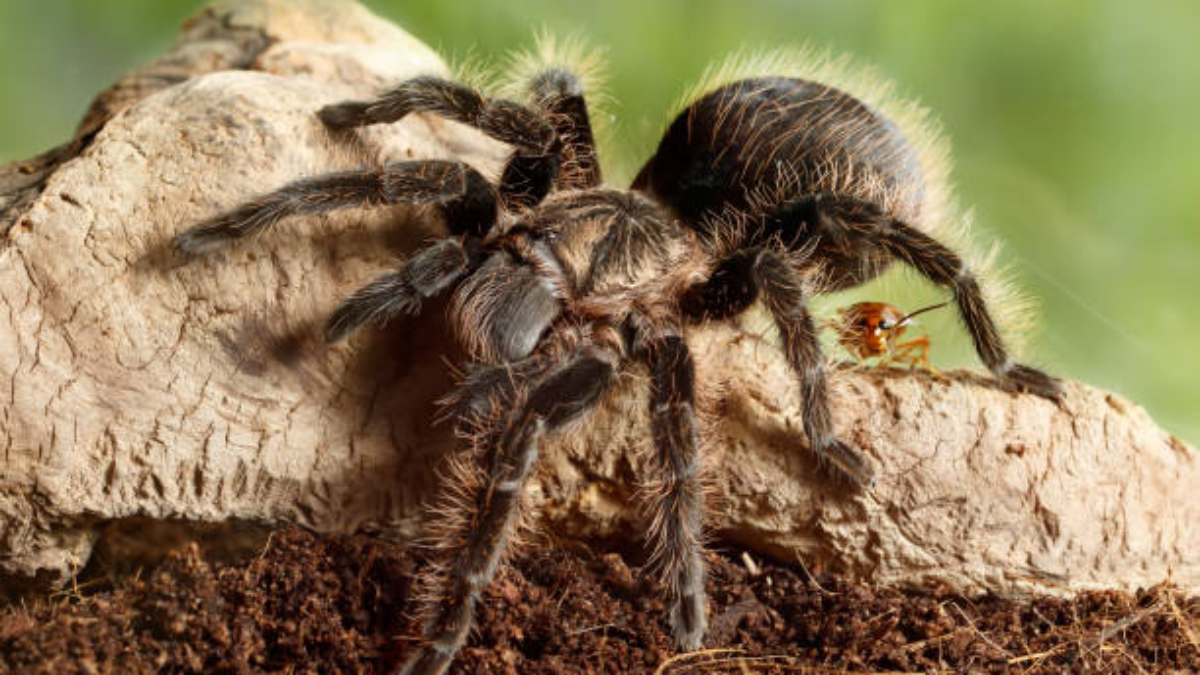
close up tarantula spider on the groundclose up tarantula spider on the ground

Curly hair tarantulas have unique curly bristles that detect vibrations. Unlike many tarantulas, they rarely flick hairs for defense. These are active during the night and are usually spotted at night most of the time, they seem to prefer to sleep during the day. A male can live for 8 – 10 years on average whereas the females can live up to twenty years. 

What is a Curly Hair Tarantula ?

Curly Hair Tarantula Brachypelma albopilosum is some other variety of tarantulas that have specific functions in terms of appearance and temperance and this is why it’s far exceedingly appreciated by a number of the fanatics. Also recognized under the call of ‘curly haired spider’, this species inhabits Honduras, Nicaragua and Costa Rica and has curly hairs all around the legs and the body. It grows to a leg span of about 5 inches and thrives in dry, arid environments. Its manageable size and temperament make it suitable for both novice and experienced keepers.

Care for a Pet Curly Hair Tarantula
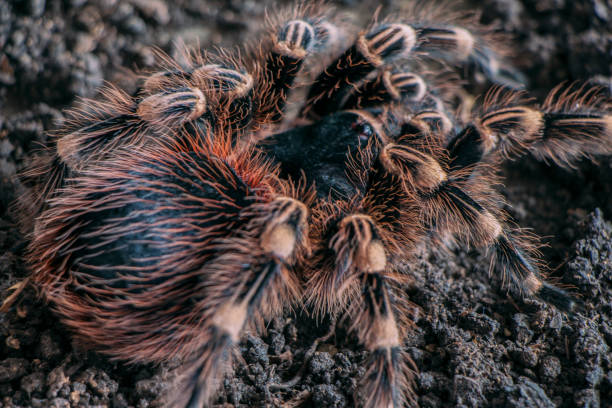
beautiful spider tarantula up close

Buying and Adopting a Curly Haired Tarantula

Where to buy

Reputable breeders, pet stores, or exotic pet shows.Avoid wild-caught tarantulas, as they can easily carry parasites and stress.

Adoption Considerations

Make sure the tarantula looks healthy, with no injuries or lethargy.Juveniles are easier to tame in captivity than wild-caught adults.

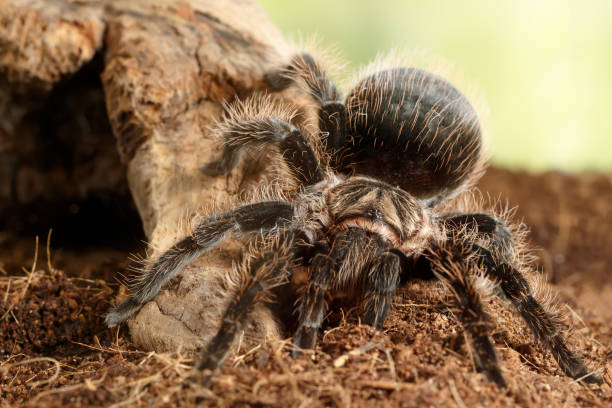
Close-up of female of spider tarantula (Brachypelma albopilosum) on the snag on green leaves background.

Curly Hair Tarantula Care

The curly-haired tarantula is the common name for Toltecatl albopilosus, formerly called Brachypelma albopilosum. It is a dark-colored tarantula with thick, shiny hair covering its legs and body. Like all tarantulas, it has hair. These tarantulas are calm, ground-dwelling, and graceful. They are also easy to care for, making them perfect for beginners. Good care for a pet Curly Hair Tarantula involves proper humidity, temperature, and minimal handling.

Curly Hair Tarantula Behavior and Temperament

Owning these species of tarantulas is very pleasant since these animals are exceptionally gentle and calm. The Curly Hair Tarantula will roam around them and can even reposition some of the items that you offer such as the pieces of bark. Sometimes, these, curly-haired, non-poisonous tarantulas are more or less passive and will shoot feces at threats whenever the situation warrants it. Nonetheless, curly-haired tarantulas are nonconformists that cannot be kept in a group even with other members of the same species of spider. But for the most part, your spider will just hang out and chill until it is time to go and y’know, be a spider and catch its prey. 

The Size Information of  Curly Hair Tarantula 

The Curly Hair Tarantula reaches a leg span of up to 5 inches and a body length of 2 to 3 inches. Females generally grow larger than males.

almost 4 inches in legspan

Housing

These tarantulas are generally not too good at climbing therefore height is relatively not so important as ground area. For curly-haired tarantulas, use a 5–10 gallon tank with a good, well-ventilated lid. The width of the tank needs to be about 2-3 times the span of the legs while the duration of the tank ought to be 3 instances the span of the legs. An optimum of about one foot seems suitable.

Set the water temperature to 75–85 °F. Use a heating pad under the tank to control the temperature, and check it regularly with a thermometer. Keep the tank out of direct sunlight.

What Do Curly Hair Tarantulas Eat & Drink?

Please seek for recommendation out of your veterinarian approximately the type of food in addition to the amount that is appropriate on your particular animal. Members of the tarantula species that have curly hairs are carnivorous; they feed on live insects

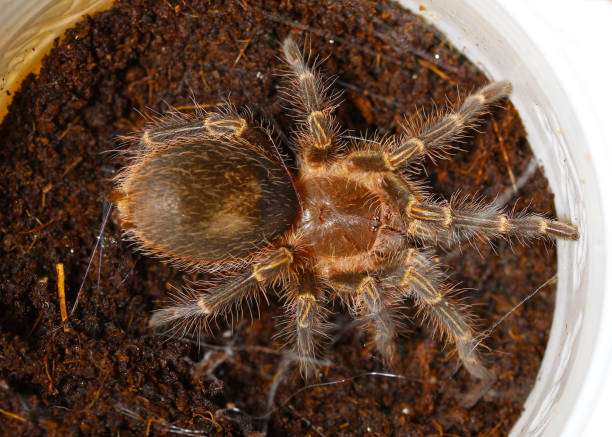
grammastola pulchripes in a box waiting for food

such as crickets, roaches, waxworms as well as other insects.The worm should not be bigger than the tarantula. Use feeder worms about the same size or up to two-thirds of the tarantula’s body. Occasionally, you can also feed adult tarantulas pink mice.Young tarantulas usually eat every 2–5 days, while adults eat about once a week, though it can vary. Sometimes, tarantulas don’t eat for weeks.

Curly-haired tarantulas get most of their hydration from their food. But you should still provide a shallow dish of water on the wall. Make sure the spider can easily climb in and out of the dish. Refresh the dish daily with clean water.

Common Health Problems

A spider called a tarantula molts its outer skin commonly called an exoskeleton and creates a new one. Most spiders shed their skin while lying on their side and curling their legs. Some owners may mistakenly think the spider is dead during this process. Tarantulas rarely have health problems if they are given the right habitat and proper food.

Conclusion

Caring for curly-haired tarantulas is easy if you meet the spider’s needs. Success depends on providing the right environment, proper feeding, minimal handling, and occasional enclosure cleaning.
Anyone interested in keeping tarantulas as pets and exploring the mysterious world of arachnids will find this species suitable.

Common Aquarium Fish Names

Common Aquarium Fish Names

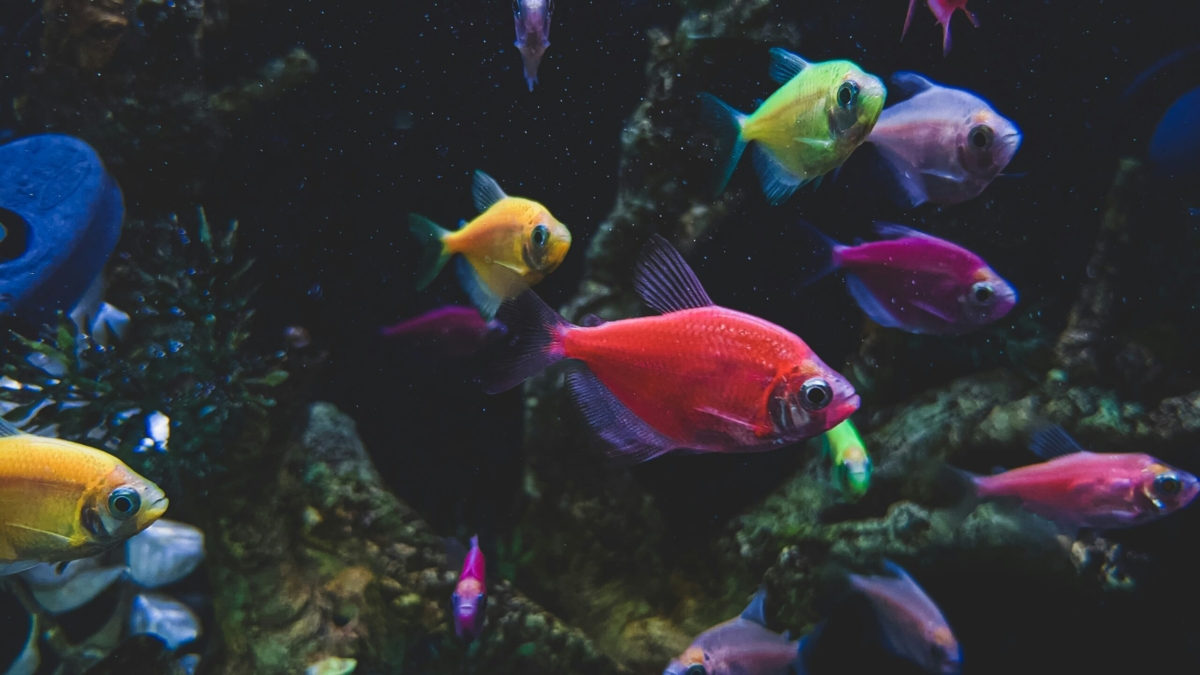
Aquarium fish species come in many colors and sizes. They are interesting for both beginners and experts. Goldfish and Betta fish look very different. Neon Tetras add bright colors to the tank. Knowing what each fish needs helps keep the tank healthy and balanced. This guide provides a list of common aquarium fish names for beginners and hobbyists.

Researchers say having different aquarium fish species makes the tank look good and stay balanced. Each fish needs specific water, food, and social care. Meeting these needs keeps the fish healthy and the tank stable. Here we will explain a list of different aquarium fish species with their common names.

Different aquarium fish make a tank look great. Neon Tetras are bright. Angelfish have pretty fins. Knowing what each fish needs helps keep the tank nice. Read this blog as a whole to know about the different Common Aquarium Fish Names also know about their general information like the needs of aquarium fish & how to care for them.

Neon Tetra

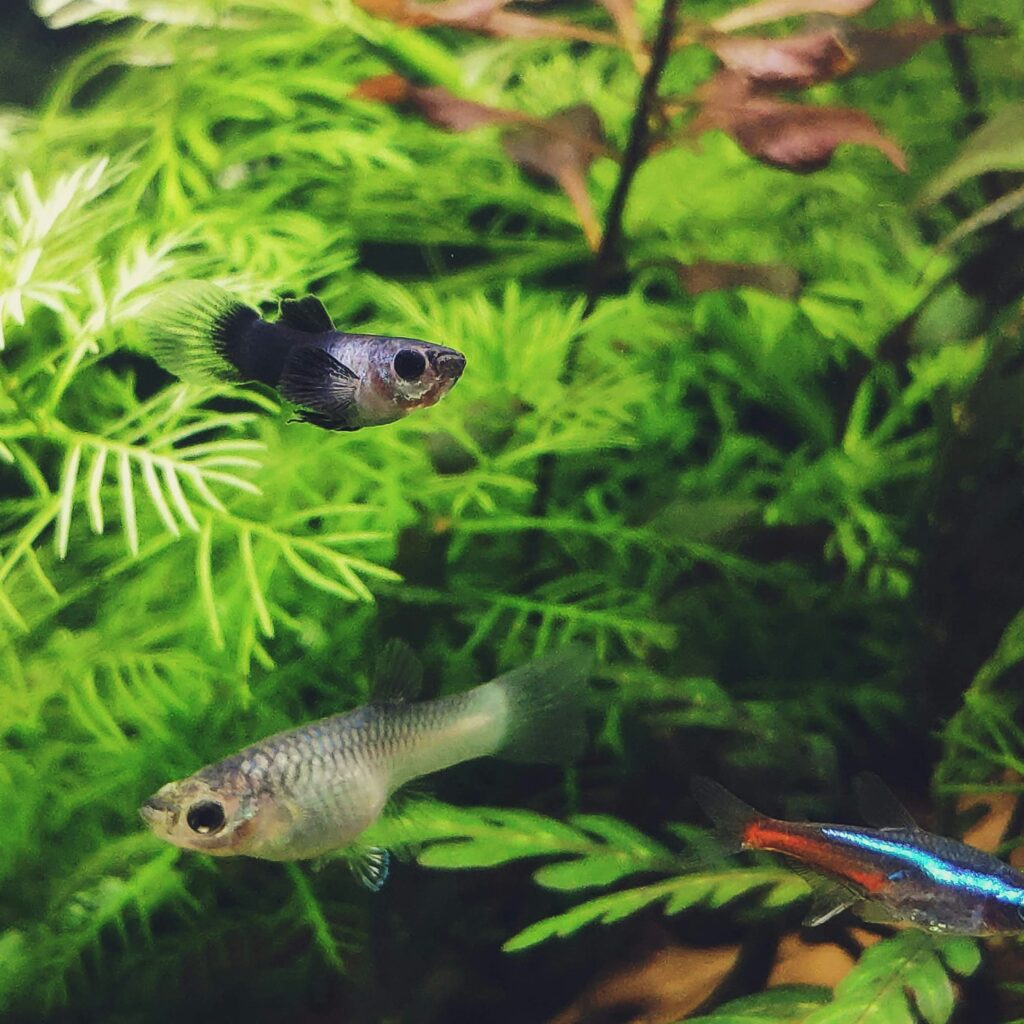
It is colorful fish of small size and it is recommended to contain them in a shoal of not less than six fish. They like clean, slightly acidic water. The blog tells you how to set up their tank and what food to give them. It also explains how to breed them and how to tell males from females. It includes tips on what other fish can live with neon tetras.

Common Aquarium Fish Names

Guppy

Size and Appearance:

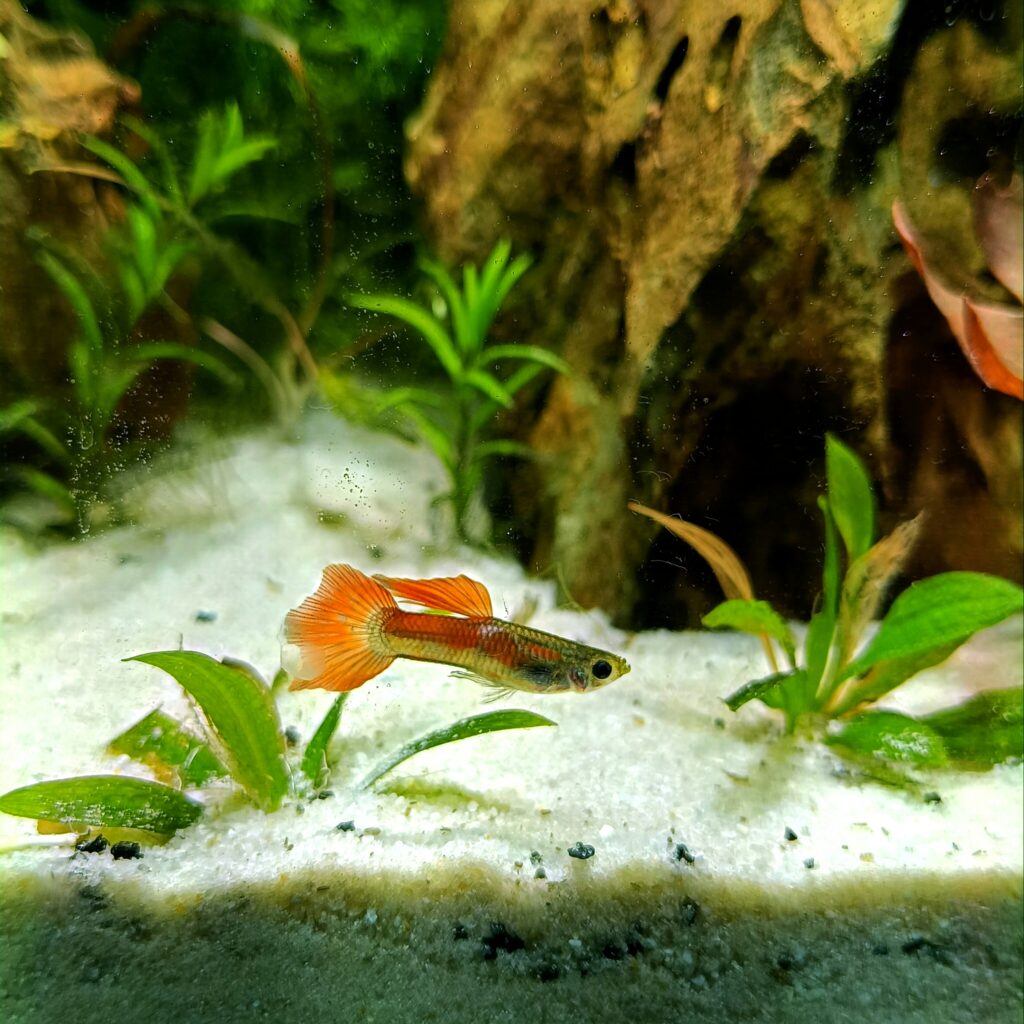
Guppies are small fish with an extensive range of colors and patterns. Their color seems to cause them to be a popular choice for lots of aquariums.

Common Aquarium Fish Names

Care: 

They are simple to care for and adapt well to various water conditions, making them best for novice and experienced fish keepers.

Tank Setup:

The blog affords practical advice on putting in a tank for guppies, ensuring they have a cushy and healthful environment.
Diet:

 It covers what food guppies want to stay healthy, supporting you to keep them nicely nourished.

Health:

There are suggestions on how to maintain guppy health, which is essential for their well-being.

Breeding:

The weblog explains a way to breed guppies, providing you with the information to effectively boost new fish.

Gender Differences: 

You’ll discover guidance on how to tell male guppies from girls, which is beneficial for handling their tank.

Tankmates: 

Guppies can coexist with many other fish, making them an amazing suit for community tanks.

Betta Fish

Overview of Betta Fish

Betta fish are small and colorful. They have stunning fins and are available in many colors. They want warm water and a tank with a heater and gently clear out. The blog explains the way to install their tank and what food to offer them.

Behavior and Breeding

Betta fish may be aggressive, especially closer to other men. They need to be kept by myself or with cautiously selected tankmates. The weblog additionally suggests a way to breed bettas, set up a breeding tank, and care for the infant fish. It offers guidelines on finding nonviolent tankmates for bettas.

Angelfish

Overview of Angelfish

Angelfish are elegant with their triangular bodies and long fins. They are available in diverse colours and it makes them a best seller when it comes to aquarium needs. To promote their health they require a clean and stable water-conditioned aquarium plus a heater for warmth. The blog details how to set up their tank and feed them a balanced diet, including flakes, pellets, and occasional live foods.

Behavior and Breeding

In addition to their graceful swimming, angelfish can be territorial. Therefore, they need compatible tankmates to avoid conflicts. The blog offers clear instructions for breeding angelfish, such as setting up a breeding tank and caring for the eggs and fry. Furthermore, it provides tips on managing their behavior and maintaining their health.

Oscar Fish

Overview of Oscar Fish

Oscar fish are big and colorful. They need a large tank with strong filters. The blog explains how to set up the tank and feed them pellets, live foods, and some veggies.

Behavior and Care

Oscar fish are smart and have strong personalities. They can be aggressive, so choose their tankmates carefully. The blog gives tips on keeping their tank clean, watching for illness and making sure they stay healthy.

Koi

Overview of Koi

Koi are large, colorful fish commonly found in outdoor ponds. They have bright colors and styles. To be healthy, they want a large pond with clean, well-filtered water. The blog explains the process of setting up the pond and the food needed.

Character and care

In addition to their warm skin, koi are sociable and enjoy interacting with people. They want to be well cared for to live longer. The blog offers practical tips on maintaining a clean pond, monitoring their health, and providing the right food.

Goldfish

Overview of Goldfish

Goldfish are small, colorful fish that are popular in home aquariums. They are available in distinctive shades and fin shapes. To preserve them healthy, an easy task with a clear-out is essential. The weblog outlines a way to set up their tank and what foods to provide.

Behavior and Care

In addition to their warm skin, goldfish love to actively explore their surroundings. Proper care is essential to longevity. Therefore, the blog offers steerage on preserving an easy tank, monitoring their health, and imparting a balanced weight loss plan.

Finger Monkeys

Finger Monkeys

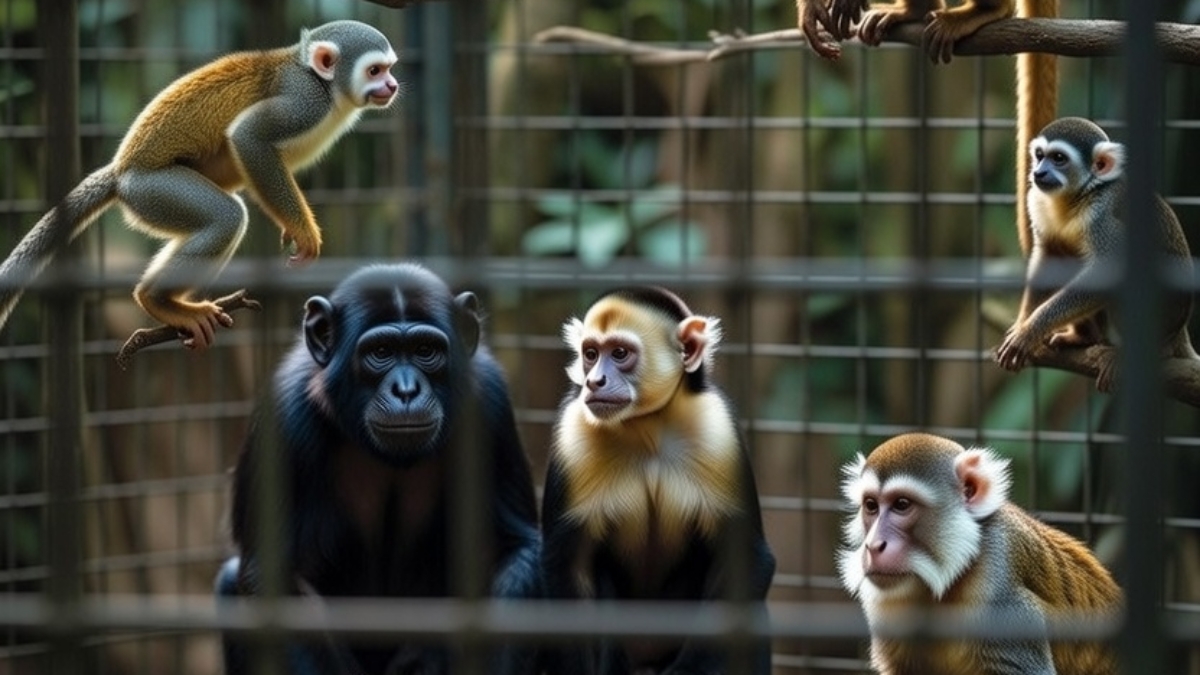
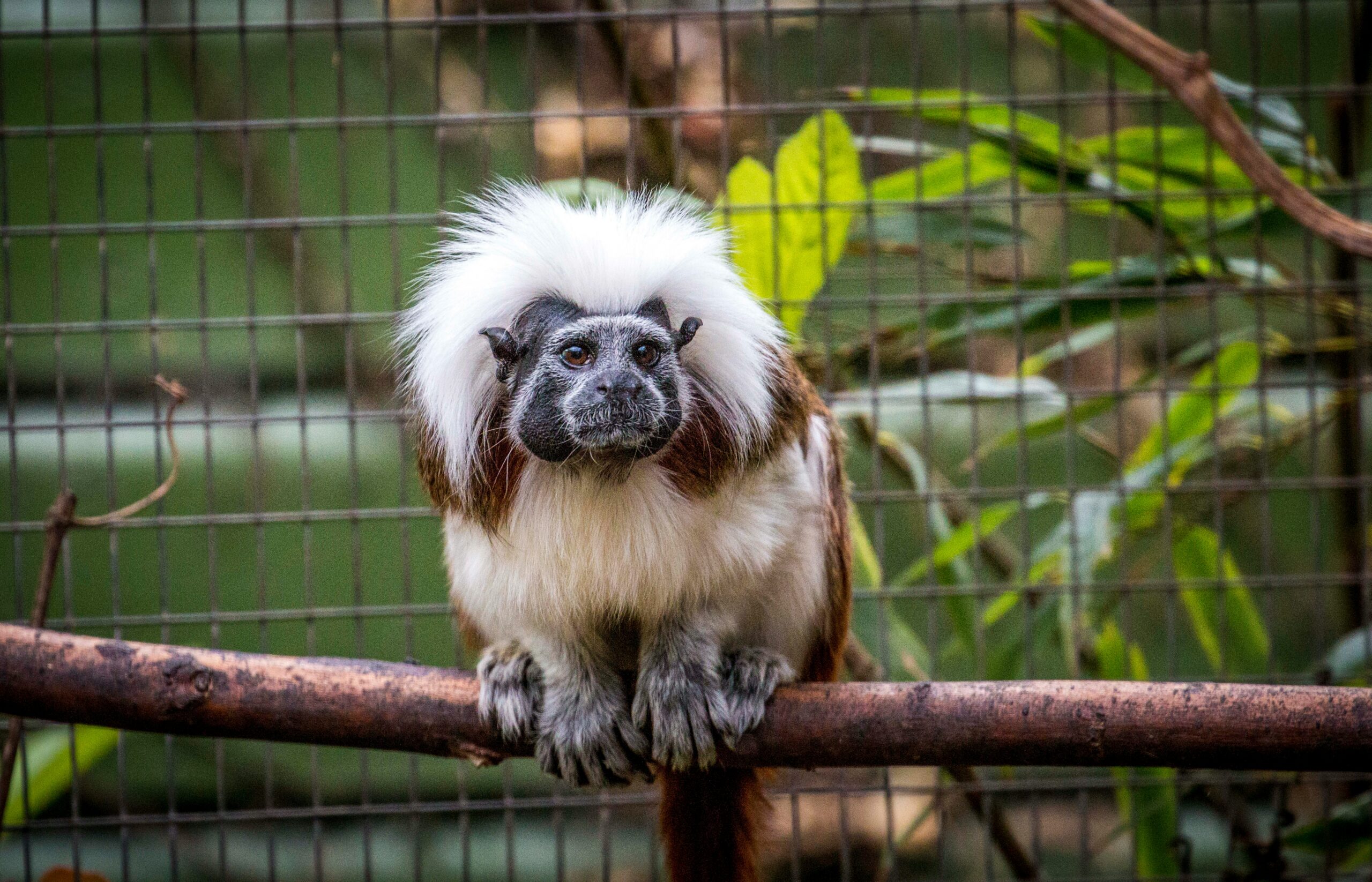
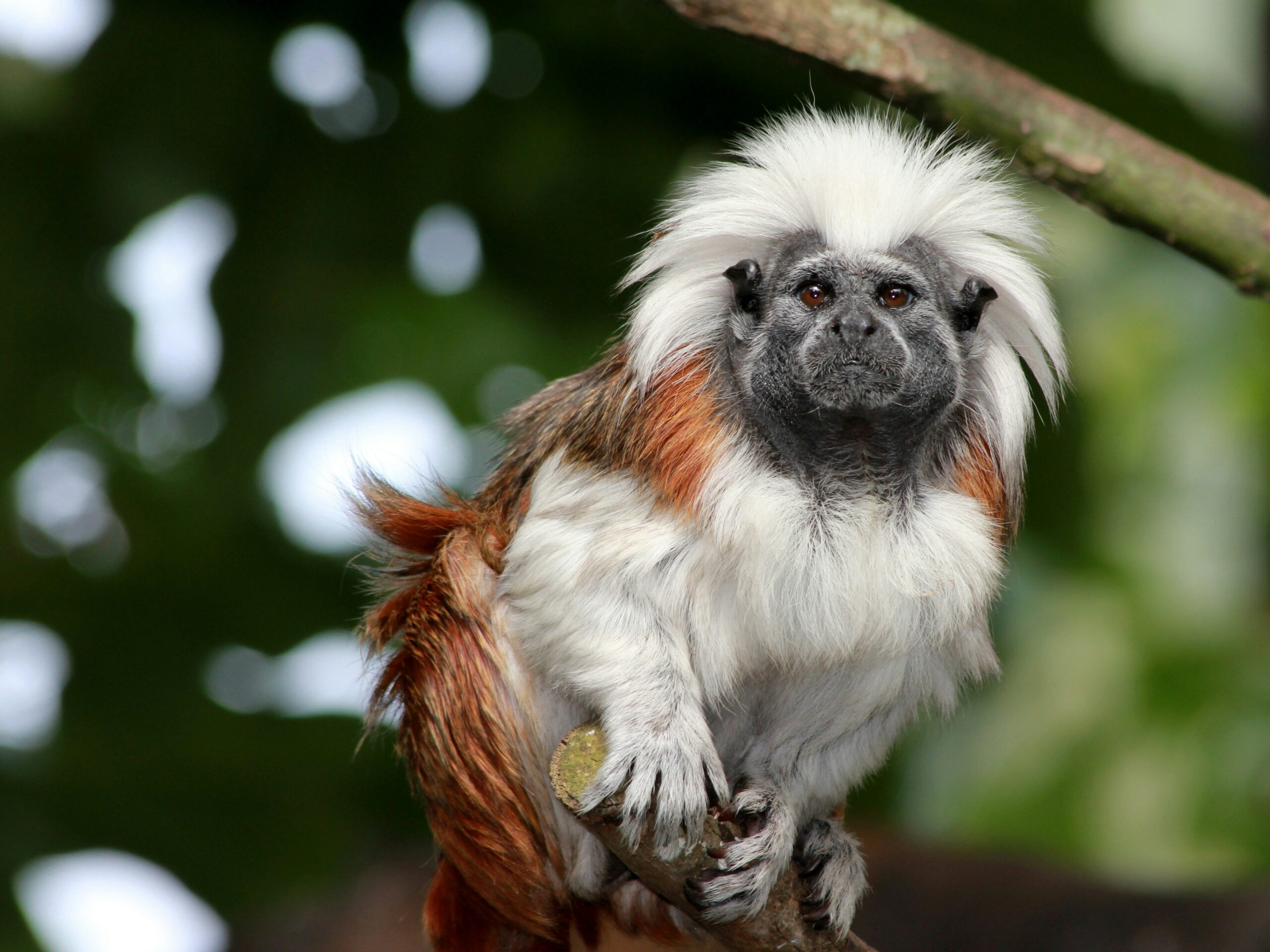
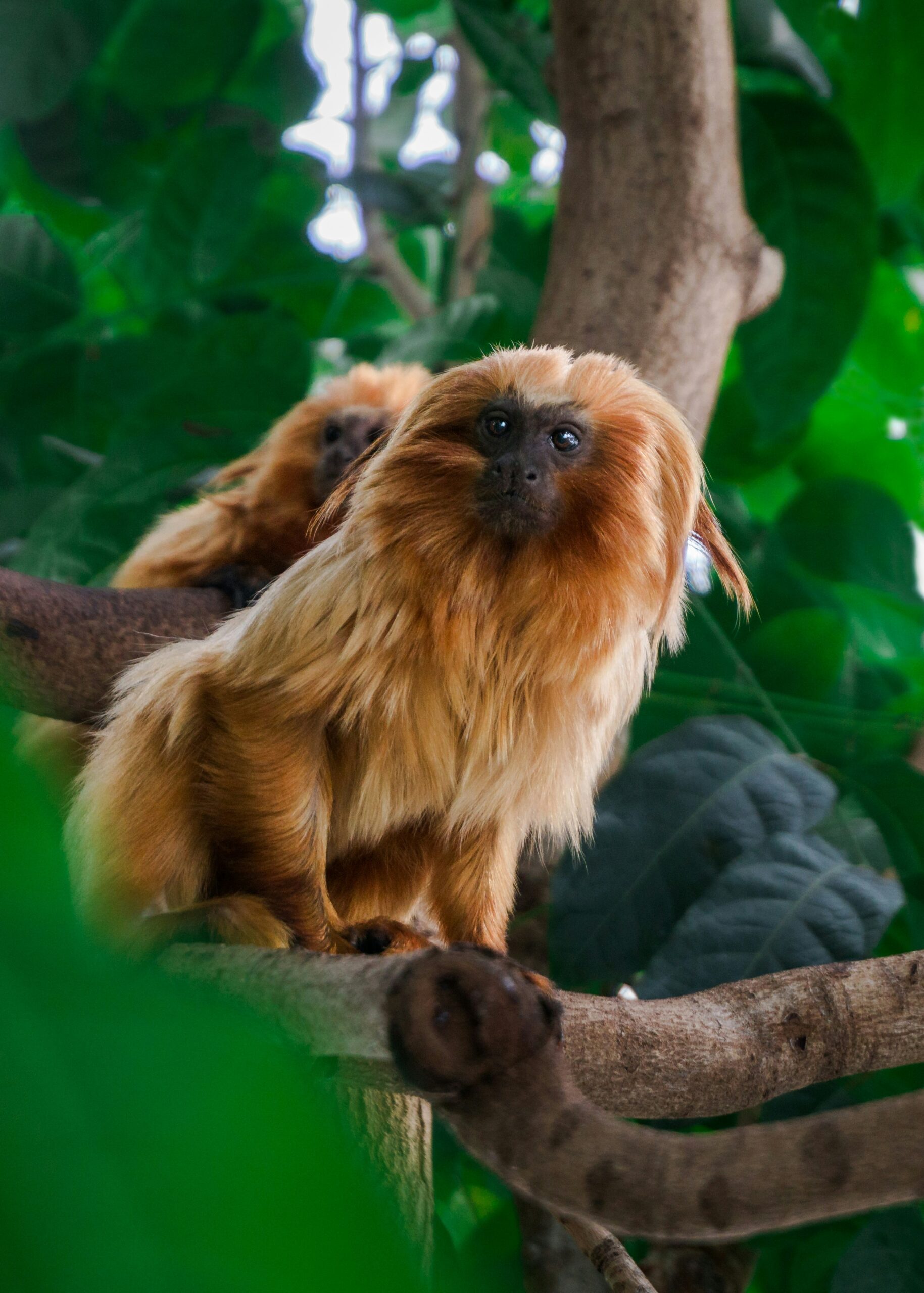
Finger Monkey Pygmy marmoset also known as finger monkey is the smallest monkey species which is approximately 3. 5 inches and is bred to grow up to six inches tall in size. Small and nocturnal, they are found in the Amazon basin countries and are known to feed on tree sap or gum, insects, and fruits. Finger monkeys are wild residing in groups of families and have very close-knit social relations. They communicate through high-pitched calls and use their long tails for balance while moving through trees.

Researchers found that finger monkeys use specialized incisors to gnaw tree bark and access sap. They observed strong social structures, with group members raising offspring together. Studies also highlight their territorial behavior, with vocalizations used to defend their space.

Finger Monkeys

Finger monkeys rely on their tails for balance while moving through trees. Their tails, longer than their bodies, help them navigate forest canopies. They also display strong problem-solving abilities when searching for food, adapting their approach to different environments.

What is a Finger Monkey?

Finger monkeys commonly known as pygmy marmosets are the smallest Monkey species in the world and among the smallest primates. Adults reach up to 6, the first number represents the number of years that is between one up to that particular number. 

Thus, body length ranged from 2 inches in length and tail length ranged from 6. 9 to 9 inches. Females are 1/4 inch larger in size than males and have an average weight of greater than four and a quarter ounces. 

Finger Monkeys

Babies can cling to a finger, which leads to their nickname. Though they face habitat destruction, their adaptability helps them avoid endangered status.

The Finger Monkey or Callithrix pygmaea is a small nocturnal primate from the suborder Strepsirhini from the Amazon basin in South America, more specifically from Brazil, Columbia, Peru, and Venezuela. This is also known as the Pygmy Marmoset. 

 It has a prehensile tail and adequate limbs which are very useful in the fact that the creature is tree-dwelling. Finger Monkeys are social animals that prefer to live in rather large family groups, and the diet of these splendid animals may consist of fruits as well as insects as well as small vertebrates.

 Even though their conservation status in the IUCN is Low Risk, they are threatened by issues to do with habitat loss. As a rule, kept away from the wild, these animals live to be 12 years or more, though their life expectancy is 4-8 years only in nature.

Reproduction and Lifespan Finger Monkey

These finger monkeys or pygmy marmosets on an aspect of life are found to be breeding all the year round with a gestation period of roughly 5 months, 20 days. Female animals normally drop lavin twines but can be single or even triplets in some occasions.

Infants weigh around 1 ounce at birth and rely on their parents for care. Both parents and sometimes other group members assist in raising the young.

Finger Monkeys

Physical Characteristics

Size 

Adults 5-6 inches in body length.

Tail 7-9 inches long.

Weight

 2-4 ounces .

Appearance

  • Fur Soft, dense, usually brown or gray with lighter underparts.
  • Face Large, expressive eyes with a flat face.
  • Tail Prehensile, used for gripping branches.

Limbs

  • Arms & Legs Long and slender, suited for climbing.
  • Hands & Feet Small, with dexterous fingers and toes.

Ears

Large, round, and prominent.

Diet and Feeding Behavior

Finger monkeys, or pygmy marmosets, eat tree gum, insects, small lizards, fruits, and nectar. They use sharp lower incisors to gnaw tree bark and a long tongue to extract gum. Foraging in groups, they find food and watch for predators. Active during the day, they spend much of their time eating gum and insects.

Care Requirements  of Finger Monkey

Finger monkeys are intelligent, and their early years shape lifelong habits, so train them thoroughly. Create a habitat with a large cage, trees, vines, water, and swings for climbing and play. Use a heat lamp or artificial light if natural sunlight is lacking.

 Feed them trees, fruit, vegetables, and insects, with babies needing food every two hours. Buy or adopt finger monkeys in pairs for social needs. Ensure they are healthy and find a veterinarian specializing in primates.

Interesting Facts

The finger monkeys or the pygmy marmosets are 5-6 inches in size and weigh about 4-5 ounces. Originally from the Amazon Rainforest, their diet comprises tree gum, insects, lizards, fruits and nectar.They live in family groups and communicate with vocalizations. In captivity, they can live over 15 years.

How Much Do Finger Monkeys Cost?

Raising a finger monkey as a pet is expensive in that it requires a lot of money, time, attention, space and research. It is not something that one should get into, without giving it serious consideration. Pygmy marmosets or better known as finger monkeys range from $2000 and $4000 for a single primate. The prices depend on the breeder, monkey’s age and health condition when going for purchase

Conclusion

Pygmy marmosets otherwise known as finger monkeys are the smallest monkeys in the Amazon region. Some of them utilize serrated teeth to scrape the exudates of trees and to nurture family relationships. The prehensile tails they use to walk or rather climb on trees. 

This is because they are on the brink of extinction due to loss of their habitats, and yet they are still very much around. Widely, they have a life span of 4-8 years, while they are likely to live longer if they are under captivity. This is because they need to be raised as pets which is a very expensive undertaking and time consuming process.

Cow Names for Your Bovine Companion in the USA

Cow Names for Your Bovine Companion in the USA

Choosing Cow Names for Your Bovine Companion in the USA is fun and rewarding. Every cow in the herd needs a special name. A new cow or an old friend deserves a unique name. The names range from classic to modern and even funny. This list will help you find the perfect name and make your cow a star.

Researchers say naming cows helps with their care and makes the bond with people stronger. A good name makes it easier to recognize and care for the cow. Names can show the cow’s traits or the owner’s choice. We have explained some unique cow names for your Bovine Business Companion in USAnames. Each name suits different cows and helps create a closer bond.

Cow names for your Bovine Companion in the USA are fun and personal. We have some unique names to choose from. The names range from classic to modern and even funny. Each name fits different cow personalities. Find a name that makes your cow special. Explore our list and pick the perfect one.

Why Do People Name Cows?

Naming cows makes farm life easier. It helps farmers keep track of each cow’s health and behavior. Names also build a bond between people and cows. Instead of just animals, cows become friends with names. This connection makes daily care better and shows how much people value their cows.

Cow Names for Your Bovine Companion in the USA

How to Choose a Name for Your Cow?

Choosing a pet for your cow should be fun as it should also have a special meaning for you. Check out what the cow looks like or how it reacted to something. For instance, if the cow is black and white like it has spots then the name could be dot or blaze, if the cow is calm then the name could be sweetie or daisy. Ensure that it goes well with the names of other animals that you have. You can also use the names of characters in one’s favorite books or movies. People should not hesitate to consult their relatives or friends for more fun in making it. As much as possible the name that you choose for your cow should fit its personality and those that you prefer.

Tips for Naming Your Cow

In case you are taking off searching out the best call to offer your cow, the following need to be a few beneficial hints especially if you have a concept of what your cow’s character is. All of those functions can assist and encourage you as you start considering the ideal call for your cow: All of these capabilities can help encourage you as you begin thinking about the correct name for your cow:

Pay attention to the Gender and Color 

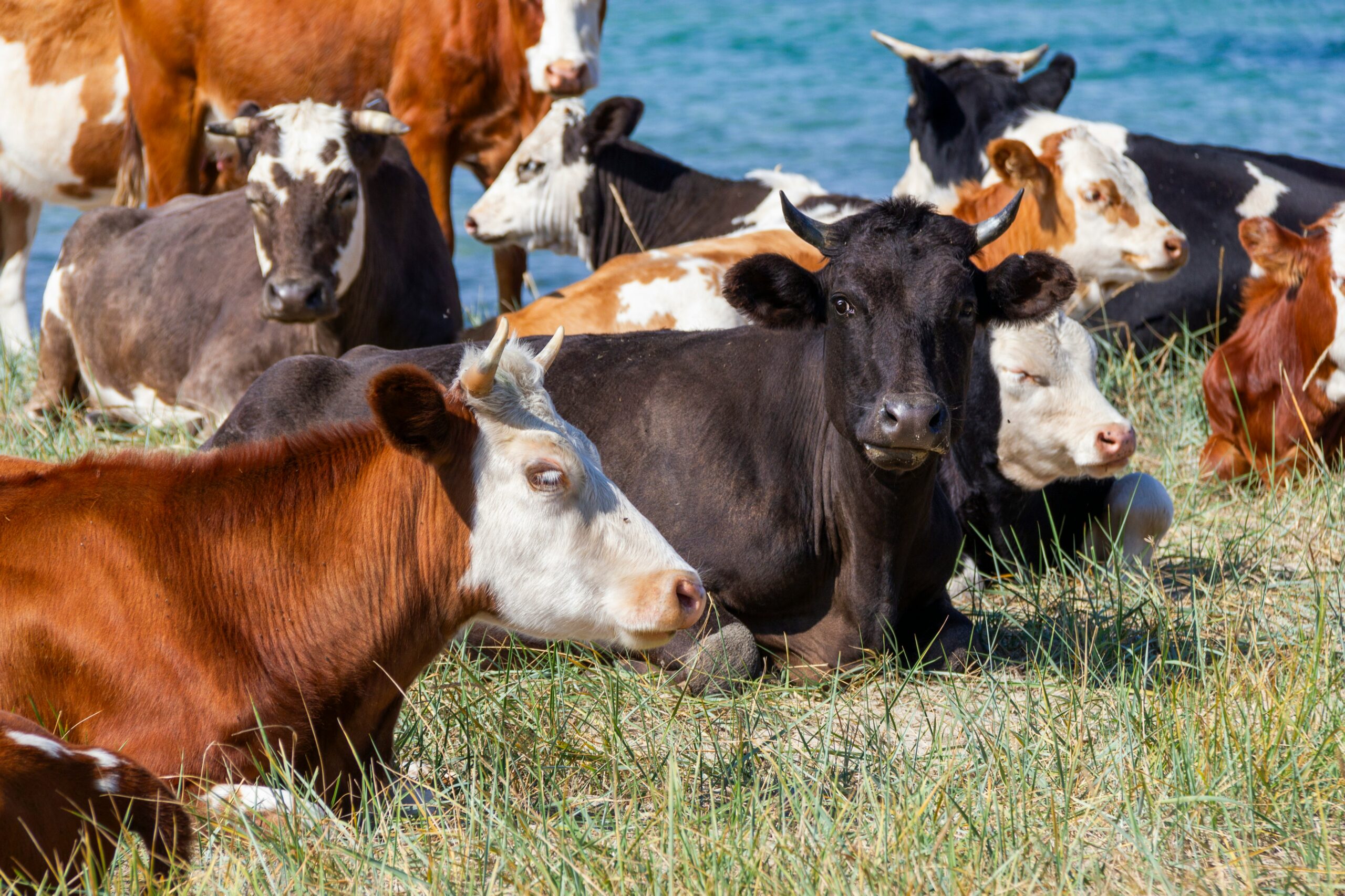
First of all, do you have a male type of cow which is known as the bull or the steer or do you own a female cow also known as the cow or the heifer? Also important is the color of your cow, which is normally correlated with the breed of the cow. For example, Angus cattle are generally black, Holstein cattle are black and white while the Jersey cattle are brown colored. 

Consider the Type of Cow

Much more could be said about the type of cow species to which these cave paintings refer. 

Also, consider the type of cow you are rearing on your farm or ensuring that you get the right breed to rear. Whether your cow’s role in your life will be nothing more than your personally beloved pet, is your cow a dairy cow or a beef cow? 

Classic Cow Names in the USA

The old names remain in use for quite some time because they are easy and sweet sounding. Traditionally used names such as Bessie, Maggie, as well as Daisy are still popular among many. Many of these names seem to reflect old rustic Jerseys and dairy cows and this will surely energize the customers’ recall. It is easy to say and memorize them; thus they are common for people to use. 

  • Bessie
  • Maggie
  • Daisy
  • BettyRosie
Cow Names for Your Bovine Companion in the USA

Nature-Inspired Names

  • Willow: Conveys grace and adaptability, perfect for a gentle cow.
  • Rose: Represents beauty and elegance, ideal for a striking cow.
  • River: Symbolizes calm and peaceful qualities, fitting for a serene cow.

Names with American Cultural Ties

American culture offers many naming ideas inspired by history and trends. Names like Ranger,Ruby, Buck add local cultural meaning.

  • Ranger: Suggests adventure and the outdoors.
  • Ruby: Has a classic, glamorous feel, ideal for a standout cow.
  • Buck: A strong name, fitting for a large or dominant cow.
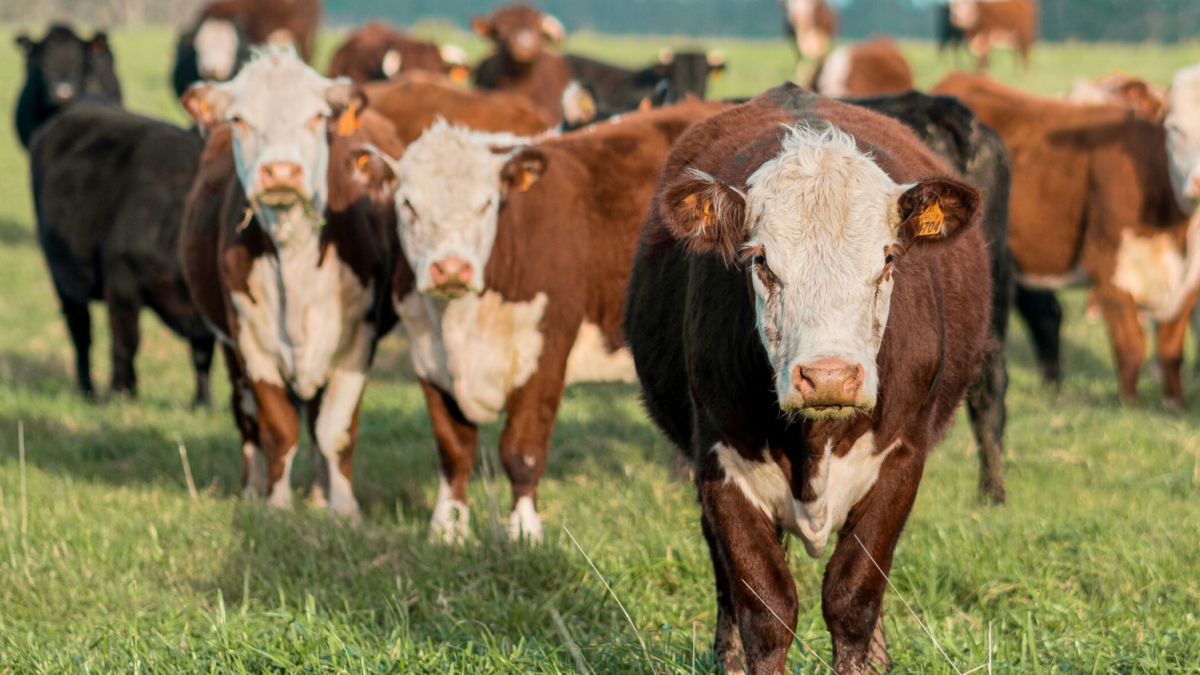
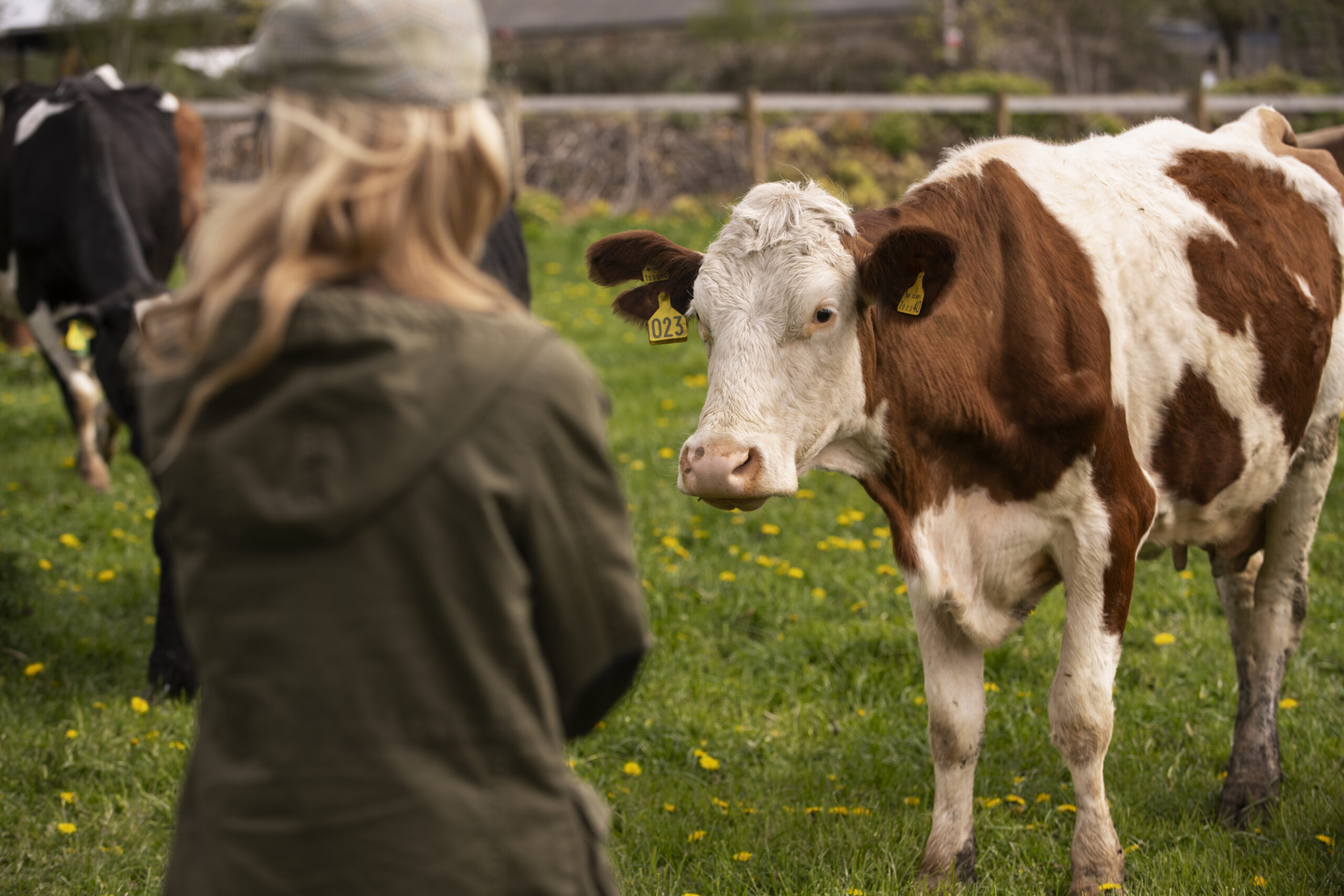
Curious cow at the field.

Creative and Thematic Names

Creative names make cow naming fun. Here are some ideas:

  • Ella: Great for a magical cow.
  • Huck :A name from a classic book.
  • Ginger : Perfect for a lively cow.

Conclusion

Naming your cow makes farm lifestyles higher. A call facilitates you to connect to your cow and makes care less difficult. Classic names like “Bessie” and “Daisy” are constantly popular. Nature names like “Willow” and “River” show calm and splendor. American names like “Ruby” and “Ranger” upload neighborhood allure. Fun names like “Ella” and “Ginger” make things special. Pick a name that suits your cow’s persona and your flavor.

tail injuries in degus

Tail Injuries in Degus

Degus can hurt their tails. Early signs of tail injuries in degus include redness, swelling, or hair loss.
This can break bones or cause the skin to collapse (degloving). Degloving can lead to infections. Sometimes, degus lose their whole tails, just like gerbils.

Degus are fun pets, but they can get hurt like other pets. Degus often hurt their tails, and people can cause these injuries. If a degu hurts its tail, it needs help right away.

It can get an infection if you don’t treat a degu’s tail injury. Knowing the signs and how to care for an injured dog can help it stay healthy. If you are curious to know then read the full article it will be beneficial for you.

What Are Tail Injuries?

Degus can hurt their tails. This can break bones or cause skin to come off. Degloving can lead to infections. Sometimes, degus lose their whole tails, just like gerbils. Degus use their tails for balance and talking to other degus. The whole length of a healthy degu tail is covered in fur, and the end looks like a paintbrush. Under the fur are skin, nerves, muscles, and bones that help the degu move its tail. Because it has many kinds of delicate tissue, it’s easy for a degu’s tail to get hurt.

Tail Injuries in Degus
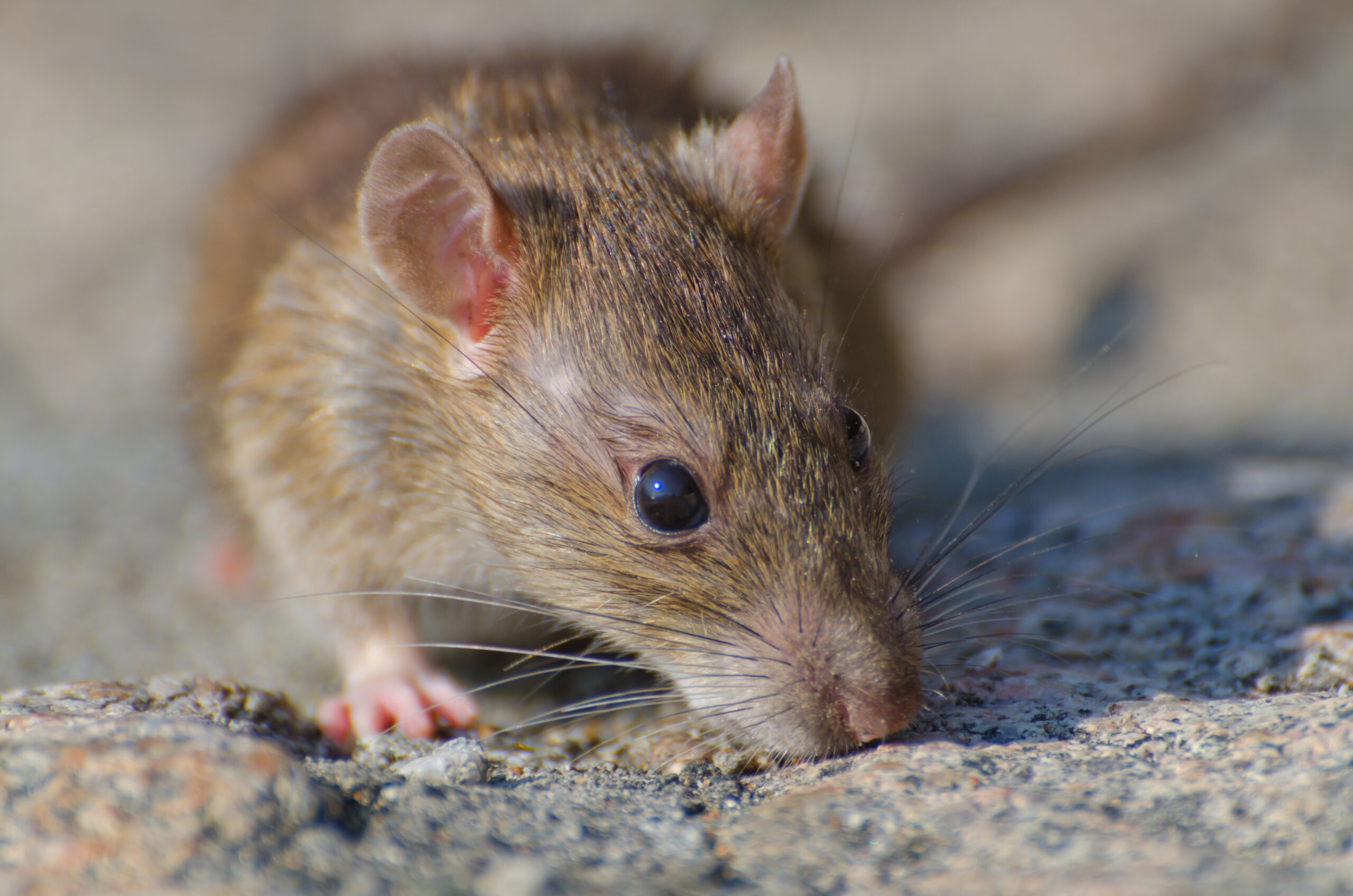
A closeup selective focus shot of a brown rat on the concrete ground

Types of Tail Injuries in Degus

Tail Degloving:

When the fur and skin come off a degu’s tail, it’s called degloving. This usually happens when someone picks up the degu by its tail or the tail gets stuck in something like an exercise wheel, cage door, or bowl. Degloving is also called a shed tail, and degu tails do not grow back after they are degloved.

Broken tails:

Degu tails can break even when the skin stays on. Sometimes, the break heals by itself. Other times, the vet needs to cut off the tail above the break.

Tail Injuries in Degus

Tail infections: 

Degus can cut, scrape, or bite each other’s tails and get infections. Keeping the tail clean and moist can help the degu heal faster. You might need to get antibiotic cream or pills from the vet to clear the infection and help the tail heal.

Symptoms of Tail Injuries in Degus

  • Bleeding
  • Loss of tail skin
  • Discharge, swelling, or odor
  • Broken bones
  • Lesions

Causes of Tail Injuries

Degus can get hurt by their owners, things in their cages, or other degus. These injuries can cause problems with the degu’s tail.

Improper handling by owners: 

Be careful when handling your degu to avoid hurting its tail. Picking up degus by their tails can cause degloving.

Interacting with other degus:

Degus can hurt each other when they live together. Watch your degus to make sure they get along. If they fight, put them in separate cages.

Injury from objects: 

Degus can injure their tails by hitting things, getting scraped, or trapping them in cage objects.

Diagnosing Tail Injuries in Degus

You can usually see if a degu’s tail is hurt. If the skin comes off or you think the degu has a minor injury, take it to the vet. The vet can look at the degu and see if it has an infection. The vet can also tell you how to treat the injury.

Treatment

Over a period, the tails of degus are prone to injuries and may exhibit signs such as bleeding and infections. In case of tail skin separation, wash it with water and take your degu to a vet if it does not stop bleeding in 15-20 minutes. Check for discharge, swelling, unusual tiredness, or loss of appetite, and seek veterinarian care for the administration of antibiotics where necessary.

The prognosis for Degus With Tail Injuries

Most degus can heal from degloving on their own or with help from a vet. Vets can stitch wounds and help prevent infections. Signs of infection need to be treated right away by an exotic vet. Infections from tail injuries or degloving can be serious if you don’t treat them.

How to Prevent Tail Injuries

Even if you take good care of your degu, it can still hurt. You can do some things to help your degu avoid tail injuries.

Careful Handling

You can help your degu avoid tail injuries by never picking it up by its tail. Do not put wire exercise wheels in the cage. Be careful when closing the cage door and putting down houses, food, and water bowls. Always know where your degu’s tail is when you handle it or move things in its cage.

Tail Injuries in Degus
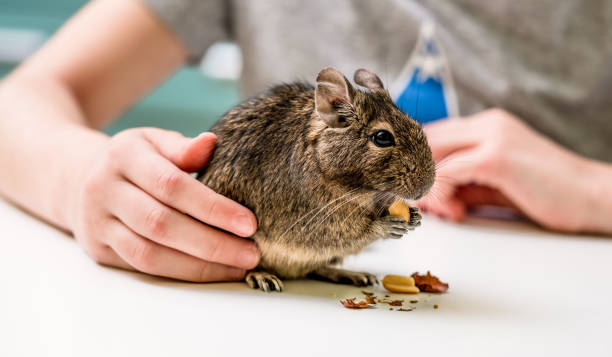
Degu chilean squirrel eating peanut

Monitoring Signs of Illness

Watch your degu to see if it acts differently. Healthy degus have clear eyes, shiny fur, and clean bodies and tails. Look for signs of infection, even if the tail doesn’t look hurt. Small cuts and scrapes can happen from things in the cage. Watch all injuries closely, and take your degu to the vet if needed.


Conclusion
Degus can hurt their tails. Tail injuries can cause infections. You can help prevent tail injuries by being gentle with your degu and keeping its cage safe. Watch your degu for signs of injury, and take it to the vet if you notice anything. Early treatment can help your degu heal faster and avoid serious problems. Degus use their tails for balance and talking to other degus. A healthy degu has fur along its whole tail, and the tip looks like a paintbrush. Under the fur are skin, nerves, muscles, and bones that help the degu move its tail. A degu’s tail gets hurt easily because it has many delicate tissues.

Sugar Glider Self-Mutilation

Sugar Glider Self-Mutilation

sugar glider self-mutilation when exposed to stress, illness, or injury. This behavior includes excessive grooming, biting, and scratching, which results in serious wounds. Isolation, poor diet, and inadequate living conditions trigger self-mutilation. Addressing the root causes through proper care helps prevent this destructive behavior.

Researchers link sugar glider self-mutilation to psychological issues like trauma from captivity or isolation. Dr. Karen Lyon explains that sugar gliders raised without social interaction often develop destructive habits. Studies show that environmental enrichment and socialization reduce these behaviors. Proper care that addresses both physical and mental needs lowers the risk of self-mutilation.

Sugar Glider Self-Mutilation
Close up the Eye of Sugar-Glider on the tree.

Preventing self-mutilation involves creating a balanced environment. Providing stimulation, companionship, and a proper diet reduces the likelihood of self-harm. A University of Melbourne study found that gliders kept in pairs or groups show fewer stress-related behaviors than those kept alone. Regular health check-ups help catch early signs of illness before it leads to self-mutilation.
What Is Self-Mutilation in Sugar Gliders?

Self-mutilation isn’t the dying sentence that it once became. With the right treatment from the vet and the owner, most gliders can conquer self-mutilation and go directly to lead glad, healthful lives.

  • The pain of any etiology
  • Stress
  • Post-surgical issues with stitches or staples
  • Following an injury inflicted by another sugar glider
  • Return of feeling after paralysis/paresis
  • Confusion/fear especially when awakening from anesthesia
  • Long-standing and untreated parasite or bacterial infection.
  • Boredom from neglect by owner
  • Abuse by owner
  • Nutritional needs not being met
  • Grief over loss of cage mate either by death or separation
Sugar Glider Self-Mutilation

While sugar glider self-mutilation is often published neuter, it can occur in any glider of any gender, age, or coloration. Often, self-mutilation starts to evolve with over-grooming. The owner might be aware that the glider has removed the hair on a portion of the chest, belly, or tail. There is a characteristic sound that a glider who is going to self-mutilate makes. It is specific to self-mutilation and is called the SM sound.

Diseases and Syndromes of sugar glider 

  • Bacterial Diseases in Sugar Gliders
  • Protozoal Disease in Sugar Gliders
  • Nutritional Osteodystrophy in Sugar Gliders
  • Dental Disease in Sugar Gliders
  • Diarrhea in Sugar Gliders

Bacterial Diseases in Sugar Gliders

Some of the most common bacterial infections common with sugar gliders are the Pasteurella, staphylococci, and streptococci. They include depression, loss of appetite, and weight loss. Infections which can manifest on the skin or lead to sepsis can occur. The treatments being effective include penicillin combined with clavulanic acid, chloramphenicol, and enrofloxacin. Give antibiotics intramuscularly, subcutaneously, or orally.

Protozoal Disease in Sugar Gliders

Toxoplasmosis is reported to be a common and severe pathology in marsupials with neurological signs observed in most affected animals. Animals such as gliders may get infected with toxoplasmosis which is oocysts in the fecal matter of cats. Cat excrement should not come into touch with the sugar gliders’ bedding or food. Prevention is more effective than therapy. Coccidia may also cause severe, often deadly diarrhea in juvenile gliders and can be acquired by fecal-oral transfer from other species.

Nutritional Osteodystrophy in Sugar Gliders

Nutritional osteodystrophy in sugar gliders is a result of a diet consisting mainly of fruit which is low in calcium, phosphorus, and vitamin D; clinical signs include hind limb paralysis, pathological fractures, and seizures. Doctors find that she has osteoporosis and very low calcium levels. An important aspect of management consists of calcium supplementation, dietary intervention, and anticonvulsant therapy; however, severe orthopedic abnormalities may be resistant to treatment. 
Sugar Glider Self-Mutilation

Dental Disease in Sugar Gliders

Another problem of sugar gliders is the tartar deposits and dental problems experienced as a result of taking foods rich in sugar. Schedule proper scaling and polishing as part of preventive oral health care to avoid gingivitis and dental abscesses. Dentists remove broken or decayed teeth and take care not to damage the patient’s jaw. Treatment consists of the use of antibiotics, analgesics, and modification of diet to softer foods after surgery. 

Diarrhea in Sugar Gliders

Diarrhea in Sugar GlidersThey are also prone to several bacterial infections namely Bacterial Pneumonia, Salpingitis and Oophoritis, Metastatic Liver Disease, and others.

Potential causes of diarrhea in sugar gliders include:

  • bacterial infection by Escherichia coli, Clostridium sp, and others
  • GI parasites
  • malnutrition
  • stress
  • metabolic disease, such as liver or kidney disorders

What Causes Self-Mutilation in Sugar Gliders?

  • Inadequate social interaction, change in environment, or improper housing brings Psychological Stress which may cause self-mutilation. 
  •  A poor diet or diet can lead to the following mental illnesses; Obsessive-compulsive disorder is social withdrawal. 
  •  Bacteria, viruses, fungal infections, injuries, skin diseases, and other diseases can damage the sugar glider to the point of destruction 
  •  Due to parasites, skin inflammation can cause a self-inflicted wound in the affected area of ​​the skin
  •  No Enrichment may lead to feelings of boredom and self-anxiety that may lead to self-mutilation behaviors. 

Can You Stop Your Sugar Glider From Self-Mutilating?

The best way to eradicate self-mutilation is by getting rid of the source of stress or irritation. This might involve buying a bigger cage, removing one or both of the sugar glider’s extremities that can inflict pain on the other, moving the cage to an area the dogs or cats cannot see or get at, getting the sugar glider the vet check him or her or get a mate for the sugar glider. 

 Stress is one thing that is always evident in every glider and may at times require some investigation to identify what could be affecting your glider. There are several things you can try to safely distract your glider from whatever is upsetting them; More play time, new toys, and food puzzles, where you hide some of their food to make your glider work for their food. 

Conclusion 

Self-mutilation is a serious health problem for sugar gliders, often main to severe wounds and infections. It may be resulting from various factors, which include psychological stress, insufficient living situations, and underlying health problems. To prevent this negative behavior, sugar glider proprietors have to offer an appropriate environment that addresses their bodily and emotional desires. This consists of ample social interplay, enrichment activities, and normal veterinary care

Good Names for Exotic Pets

Good Names for Exotic Pets

Choosing good names for exotic pets can be a challenge, including the variety of species that are classified as exotic pets. Although definitions can vary, an exotic pet is generally defined as any pet that is not a cat, dog, or domestic animal.

Many people take inspiration from their pet’s appearance or species, such as Teddy for the teddy bear hamster. You can also search for your favorite movies, TV shows, songs, famous people, and travel destinations for animals and ideas. Or maybe you just want a name that starts with a certain letter of the alphabet.
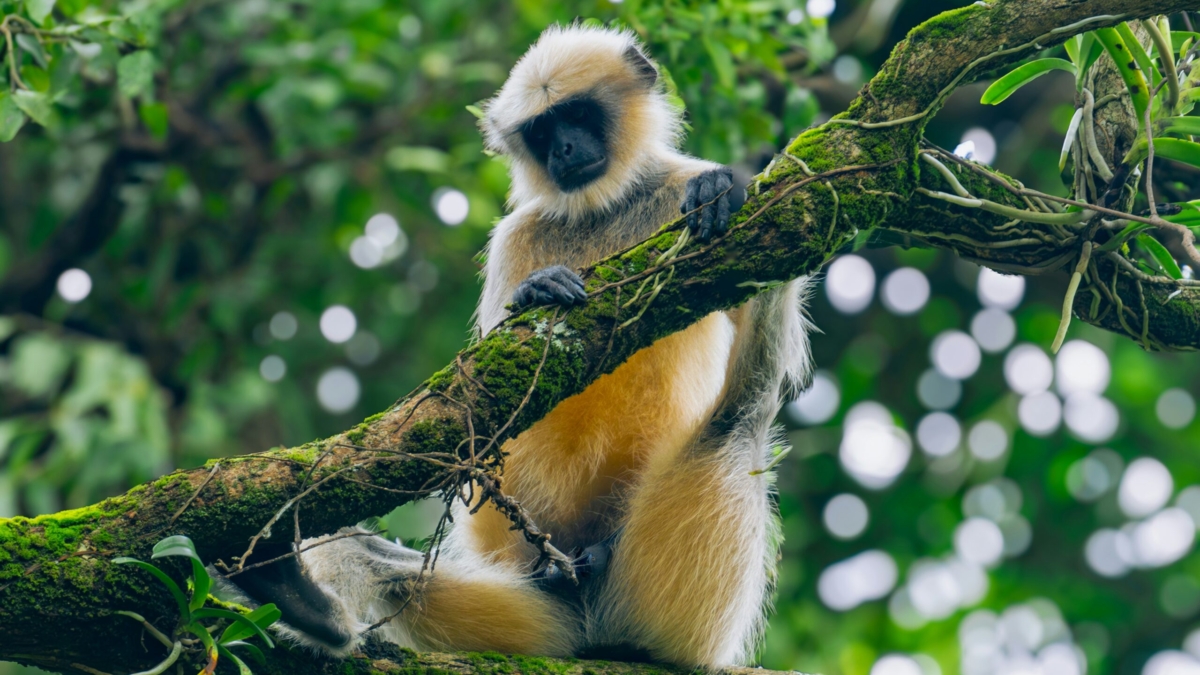
Good names for exotic pets can be difficult to think of. Not all names fit every pet. You might want a special name for your unique animal. Look at the article and pick a name that suits your exotic pet.
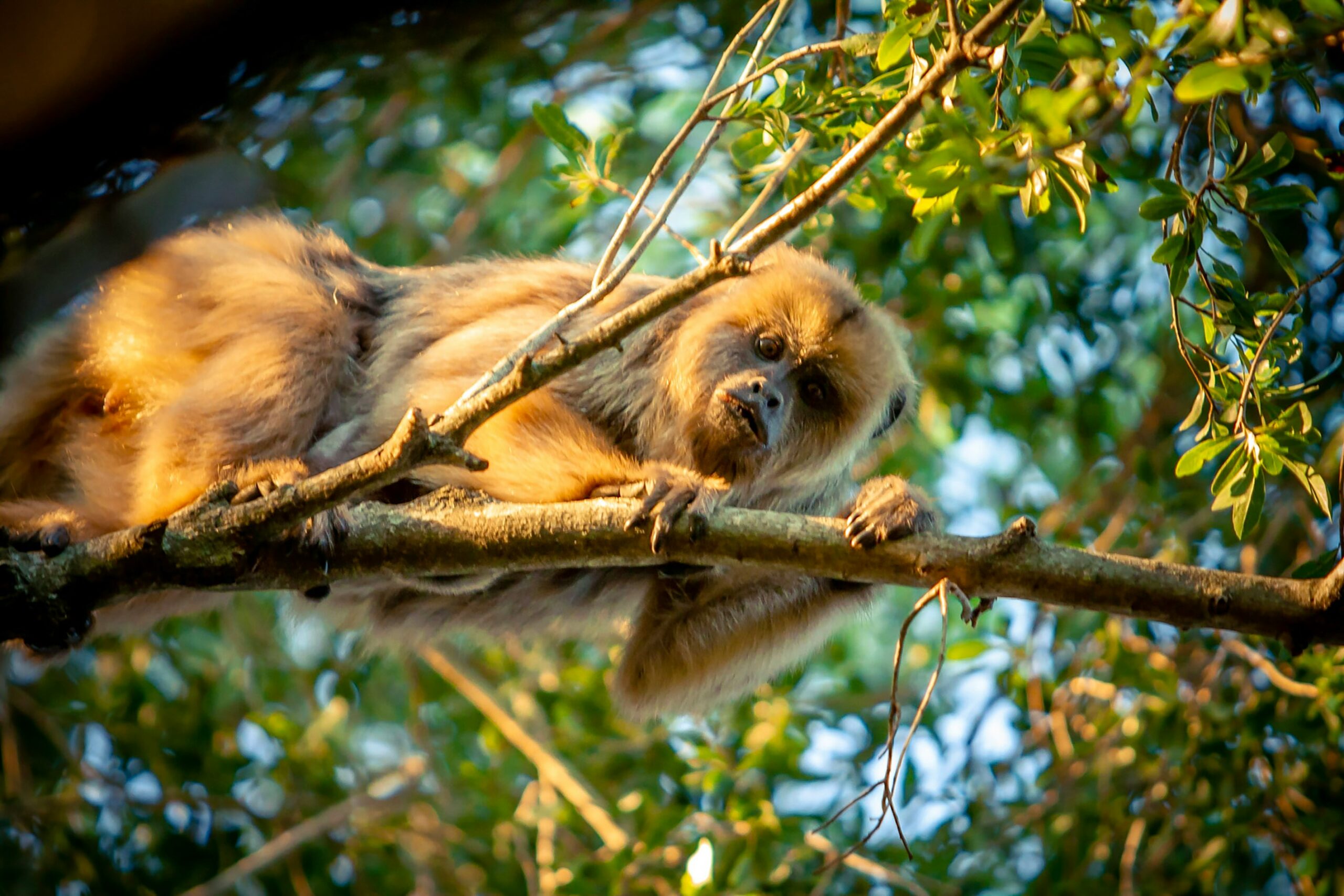
Top Exotic Pet Names

All the exotic pets have good names some top exotic pets’ names are the following:

  • Chinchillas: 
  • Tango 
  • Greystone.
  • Ketch.

Tips for Choosing Good Names for an Exotic Pet

The category of exotic pets varies widely in terms of average lifespan in captivity, so choose a name that you will be happy with throughout your pet’s life. Be careful to choose a name that you feel comfortable sharing with friends, family members, and your veterinarian’s office. If you ever feel like you’d be embarrassed to hear a certain name mentioned in your doctor’s waiting room, it’s probably a sign that you should choose something else. So take your time to pick a name that sticks.

Good Names for Exotic Pets

According to Appearance and Characteristics

By the appearance and characteristics of pets, you can select a good name for an exotic pet. You can get name inspiration from your pet’s appearance and breed characteristics in addition to its personality traits. As your pet gets comfortable in its new home, its true personality begins to shine through, which may also give you some ideas for its name. For example, you could name a particularly feathery rabbit Tigger after the bouncy “Winnie-the-Pooh” character.

Names for Exotic pet 

Naming your pet fish can be a lot of fun, but it can also be a little daunting. Thankfully, there are many fish names to choose from. How about Aquaman, Poseidon, Skipper, or Sheldon? Or maybe Captain Sparrow, Ahab, or Goldie? Of course, you can’t go wrong with fish. Now you can tell who is in which school of fish.

  • Goldie
  • Free
  • Dory

Names for Frogs and Toads

Naming your frog or toad can be a daunting task because of the endless list of names you can choose from. Still, choosing the perfect frog name can be fun. Many species of frogs and toads come in different shapes, colors, and sizes. Here are some of the top exotic names for frogs and toads:

  • Mr. Toad
  • Jelly
  • Tad or Tadpole
  • Bogart

Names for Goats

Naming sheep and goats can be a fun, exciting, and challenging process because you may not know where to start or where to get inspiration. Fortunately, factors such as color, unique features, and personality can help you choose a moniker for your beloved farm animal. 

  • Satyr
  • Snowflake
  • Lucifer
  • Dumbledore

Names for Hamsters

Naming a new pet is an exciting and often difficult task. You want the most suitable name for your new hamster, but it can be difficult to come up with one. If you need help coming up with a name for your little friend — something funny, cute, or unique.

  • Bear
  • Cheeks
  • Harry
  • Zippy

Name for Hedgehogs

People often name hedgehogs after their spiky pet bristles, a unique feature of this little animal. There are the following good names for Hedgehogs:

  • Butterball
  • Needles
  • Prickles
  • Quill
  • Spike

Names for Lizards

Finding the perfect name for any pet can be difficult. Unlike mammals such as cats and dogs, lizards such as leopard geckos, bearded dragons, blue-tongued skinks, monitors, and others may not have distinctive markings or unique personalities. But that doesn’t mean they can’t sport a cool and unique name.

  • Fluffy
  • Lizzy
  • Toothless
  • Mushu

Names for Mice

They are small and cute and their little bare tails have personalities. Find inspiration for the perfect name for your pet mouse from this list.

  • Chuck E. Cheese
  • Minnie
  • Nibbles
  • Pinky

Names for Rabbit

Because rabbits come in a variety of colors and sizes, your name options will vary. Choose one that is best for your rabbit.

  • Banky
  • Bin Bin
  • Coco
  • Rex
  • Velvet

Names for Snakes

Anything that starts with the letter “s” seems like a natural choice for a snake, but your options aren’t limited to just that one letter.

  • Kaa
  • Medusa
  • Monty the Python
  • Slinky
  • Slithers

Names for Sugar Gliders

Sugar Gliders are unique, and super special because they can fly. Some popular and good names for sugar Gliders are as follows

  • Flyer
  • Gidget
  • Sweetie
  • Trinket

Names for Hermit Crabs

Don’t be a crab if you can’t think of a good name for your hermit crab. This list should give you some ideas.

  • Hermione
  • The Kraken
  • Mr. Krabs
  • Shelly