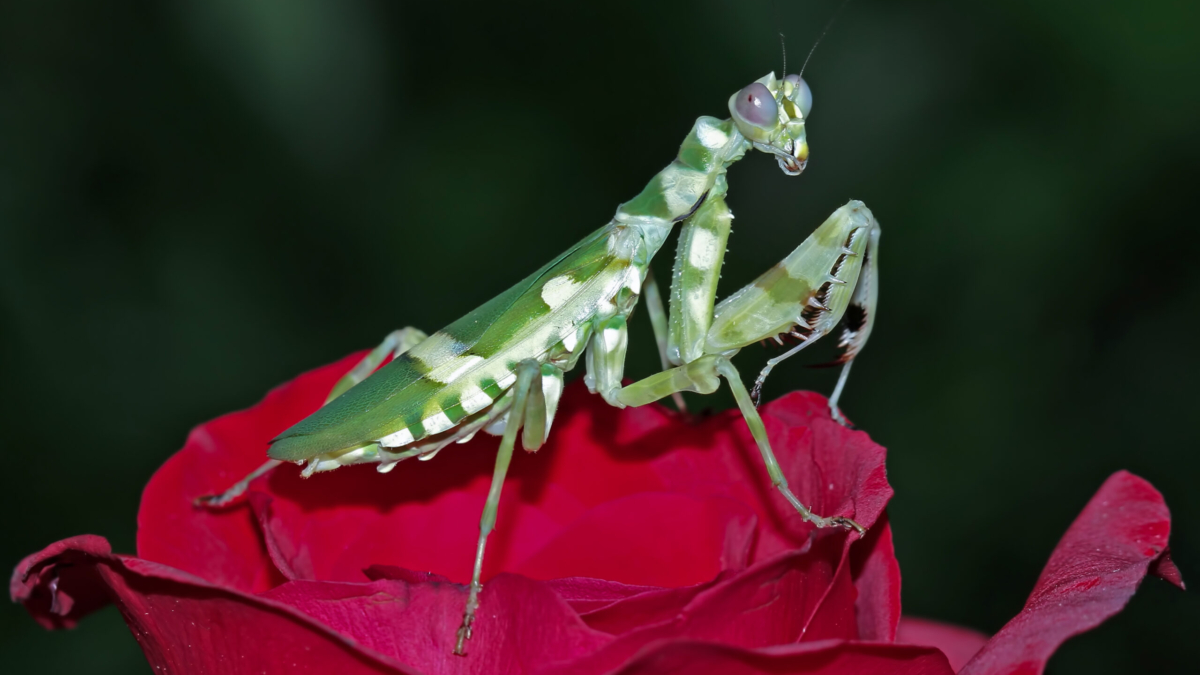
A praying mantis as a pet is an insect belonging to a specific order. The class of mantises is very diverse, representing more than 2000 species of praying mantises. It used to be used for a single species whereas now it is used for all praying mantis species. Mantises are interesting and convenient to keep as pets.
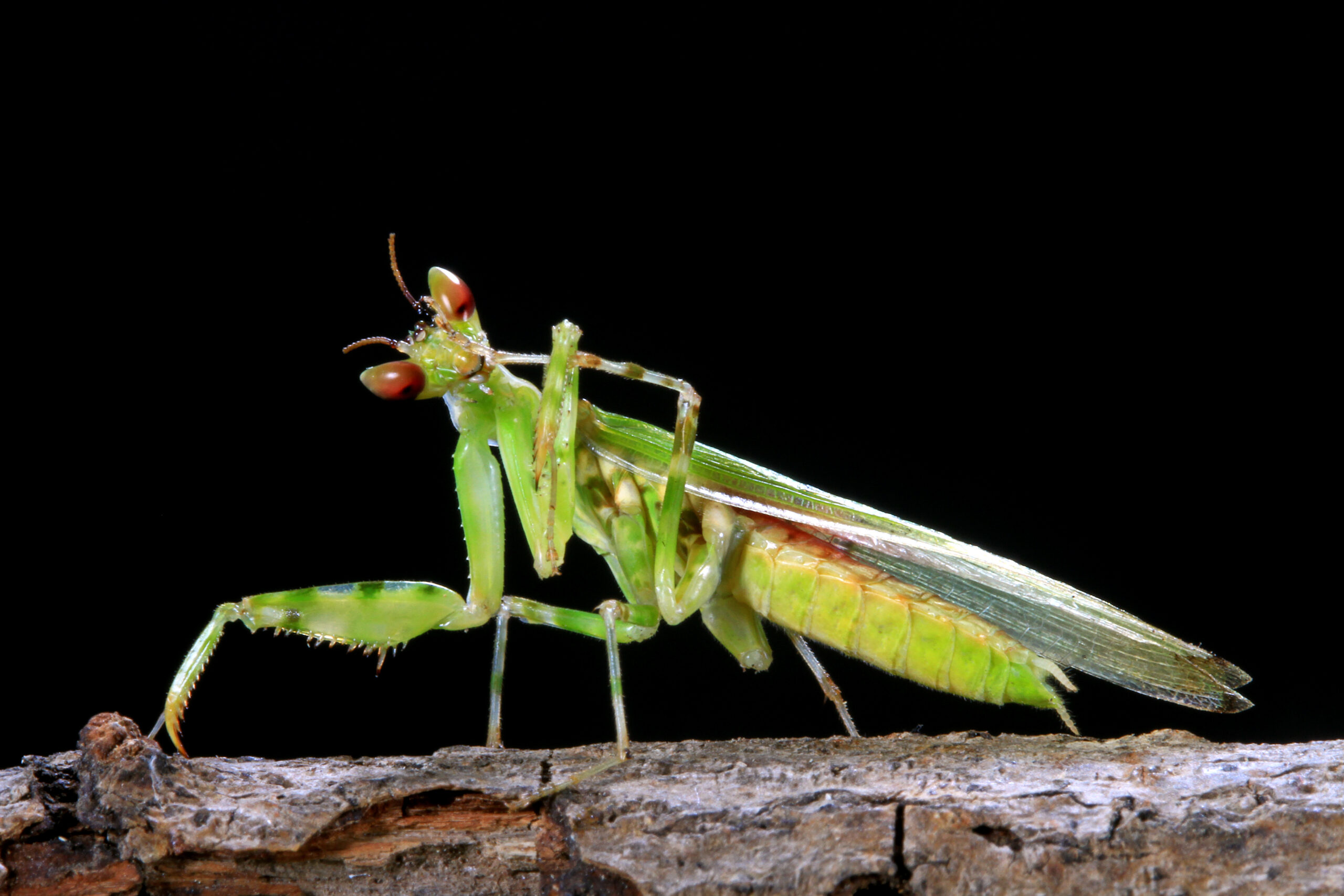
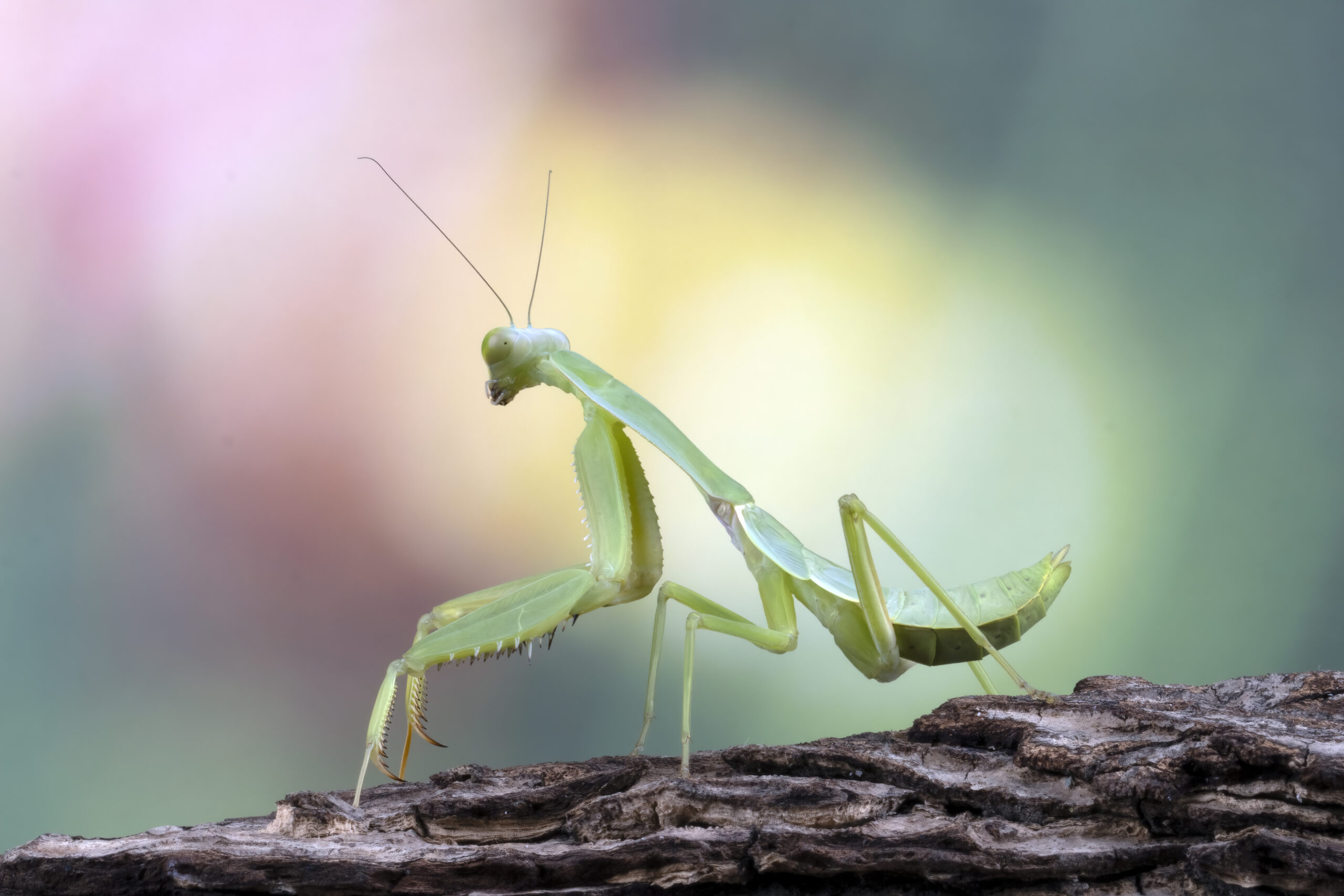
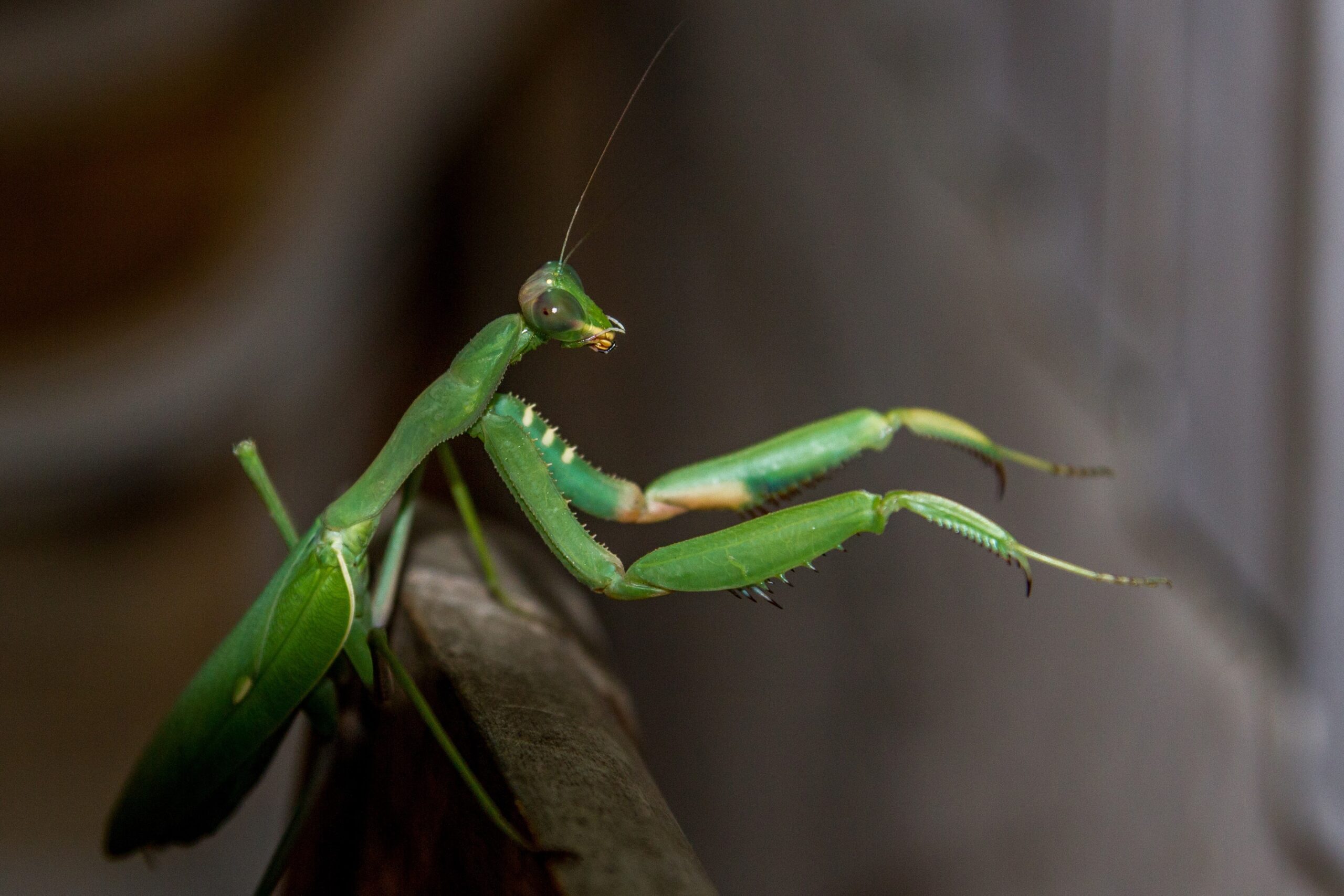
These prayer mantis got their name because they lifted the forelimbs in a prayer position, bending them on the thorax. There are some species of mantis that those who are interested in insects as pets can rear. There is a praying mantis that is suitable for beginners: the African praying mantis.
If you are curious about keeping a praying mantis as a pet, read the full article. It will be beneficial to gain knowledge about mantis.
Can You Own a Pet Praying Mantis?
Legality
Check your local laws before getting a praying mantis, as they might be illegal in some areas. They are generally legal and are even the state insect of Connecticut. Contrary to some myths, killing a praying mantis does not incur a fine, and they help control pests for gardeners and farmers. Many care guidelines for unusual pets also apply to mantises.
Praying Mantis Behavior and Temperament
Mantis comes in many different sizes, shapes, and colors. They live in many different places, but most live in tropical climates. All mantis eat other insects and spiders. Some big mantis might even eat small animals.
Housing
Mantis should live alone. Each mantis needs a small tank. The tank should be about twice as wide and three times as tall as the mantis. A 1-square-foot tank is a good size for most mantis. The tank should be 12 inches tall to give the mantis space to molt. The top of the tank should be made of mesh. If possible, the sides of the tank should also have mesh openings.
Specific Substrate Needs
You can put a layer of soil, peat, or a mix of soil and sand or vermiculite at the bottom of the tank. This will help keep the tank moist. You should also put several twigs in the tank that reach almost to the top. The mantis will need space to climb and hang from a twig when it molts. You can also use live plants or fake plants but do not put too many in the tank. Your mantis will need space to move around, hunt, and molt.
Exercise
If your mantis has enough space to climb around in its tank, that is all the exercise it needs.
Grooming
Mantis clean themselves. If you try to clean them, you could hurt them.
Shedding
Mantis molt their entire outer shell. You will often find the old shell at the bottom of their enclosure. Mantis often eat their old shells because they are full of nutrients.
Bathing
You do not need to bathe or groom your mantis. It cleans itself!
Size Information
Praying mantises vary in size, from 1 to 6 inches long, depending on the species.
Common Health Problems
Mantis can get sick from food poisoning due to dirty feeder insects, so always buy food from a trusted seller. If a juvenile mantis isn’t eating, it might be preparing to molt. Mantis molt up to 10 times, and they might lose a limb if their cage is too dry but could grow it back later. Avoid handling them during molting because they are very fragile. Be aware that after mating, the female mantis sometimes eats the male’s head, which can be fatal.
Pros & Cons of Keeping a Praying Mantis as a Pet
Mantis are fun and easy pets to have. They do not need much care and they do not take up much space. But mantis only live for about a year. Most mantis only live for four to eight weeks after they molt into adults.
Purchasing Your Praying Mantis
You can find mantis in nature. They are known to be great at camouflage. Don’t expect to catch a mantis in your compound if you have no idea how to take care of it, where to put it, and what it feeds on. If not, it is best to leave it alone after staring at it for some time. You can also buy mantis from some pet stores or online. They can give you exact instructions on how to care for and feed your new pet.
Reproduction & Breeding
The person you buy your mantis from should tell you about how they raised the mantis. They should also give you instructions on how to care for your mantis.
Conclusion
Praying mantises belong to more than 2,000 species, and their front limbs mimic a praying posture. They are meant to be carnivorous and feed on insects, spiders, and occasionally small animals. Most mantis live in tropical climates and should be kept alone in a tank that’s twice as wide and three times as tall as the mantis, with mesh tops and sides. The tank should have soil, twigs for climbing, and minimal plants. Mantis need no additional exercise or grooming, as they clean themselves and can lose limbs if their tank isn’t humid enough.
They molt up to 10 times, shedding their old shell, which they often eat for nutrients. Mating can be risky, with females sometimes eating the male’s head. Mantis are low-maintenance pets but live only about a year, with adult mantis surviving four to eight weeks post-molt. You can find them in nature or buy them from pet stores, which provide care instructions.