Care for Pink-Toed Tarantula

Care for Pink-Toed Tarantula

Exotic Pet Pink-toed tarantulas are a group of tropical and subtropical rainforests of Central and South America. Almost all of these tarantulas display incredible blue, pink, purple, and red colors with their signature pink toes. As pets, they need housing that mimics their natural habitat with live prey. And although some people handle their spiders, these animals are more for your enjoyment when you watch their interesting behaviors. Beginners often research care for Pink-Toed Tarantula before getting one as a pet.

Native to South America, these fast, agile creatures live in trees where they spin elaborate webs. As pets, they need housing that mimics their natural habitat with live prey. And although some people handle their spiders, these animals are more for your enjoyment when you watch their interesting behaviors. This guide explains the basics of care for Pink-Toed Tarantula, including feeding and enclosure setup.

Care for Pink-Toed Tarantula

They make an excellent species for beginners due to their more gentle nature. Pink-toned tarantella makes wonderful pets to interact with and observe. Pinkies rarely pluck or bite an itchy hair, they are more prone to running away from danger. Their gentle nature does not mean they are lazy. They are flighty and fast, so when moving around them make sure to move them slowly and smoothly so they don’t get spooked. In this article, we will explain completely how to take care of your exotic pet pink-toed tarantula. 

Care Tips For Pink Toed Tarantula

Housing

Pink-toed tarantulas need tall enclosures. They love to climb. Plastic enclosures are great for keeping them moist. Ventilation is important. Front or side opening enclosures are preferable. They need lots of vegetation and hiding places. Humidity should be 75-85%. Use moss, coconut coir, or potting soil for the substrate. Measure humidity and temperature. Keep the wall warm but away from windows.

Handling

Pink-toed tarantula can be handled, but it must be done carefully.  While this species will tolerate occasional handling, it is easily scared. Even the feeling of your breath can startle it and cause your tarantula to run or jump.  This can be catastrophic if the tarantula is held too high in the air and hits the ground.  Falling from a height over 3 feet can cause their exoskeleton to rupture and is often fatal.  While handling them, allow them to walk on and through your hands.  Make sure you are close to the floor while handling and don’t handle for more than 5 minutes to prevent stress.

Size information

The pink-toed tarantula stretches about 3.5 to 5 inches. Females are slightly larger than males.

Molting

Pink-toed tarantulas go through a color change as they grow. This is part of their molting process. When they are young, they are mostly pink with black toes. As they get older, they become mostly dark with pink toes. If your tarantula is not eating, seems lazy, or has a smaller belly, it might be sick.

Care for Pink-Toed Tarantula

Pink Toed Tarantula Diet

Pink-toed tarantulas are carnivorous and have a diet consisting of live insects. The core of the live food diet should be high in protein and relatively easy to digest.

Feeder Insects

  • Crickets
  • Dubia Roaches
  • Mealworms

Feeding Tips

  • Gut-load feeders
  • Shake feeders into the terrarium
  • Remove uneaten feeders
  • Spot-clean enclosure

Behavior and Temperament

Pink-toed tarantulas are a bit skittish. They might flick hairs or jump if startled. Bites are rare and not very painful. They also have a funny way of defending themselves: they shoot poop!  This is common for all Avicularia species. Tarantulas are still okay to handle, but be careful. They might jump or run suddenly.

Common Health Problems

Pink Toed Tarantulas are generally healthy but watch for changes in behavior. Molting can be mistaken for sickness. Some signs, which indicate that the spider is about to shed its skin include; appetite loss and reduced activity. The process of molt takes hours while the process of recovery can take weeks. If molting is hard or it takes longer than the expected time then one should seek the help of a vet. 

Some of the health problems that are likely to affect common pink-toed tarantula include; 

When it comes to pink-toed tarantulas, they can be healthy most of the time, however, this does not mean that one should neglect any illnesses that may develop. Some possible remedies for common problems are:

Care for Pink-Toed Tarantula
Jumping spider on green background

Melting difficulties

  • Ensure proper humidity and temperature: Relative humidity is important for the procedure of thawing: the higher the humidity in the environment the better. Ensure that your enclosure has the right humidity and temperature for the enclosure. 
  •  Provide a safe hiding place: It also means that your tarantula should not be too aggressive or active when it is time to molt because it requires a calm environment to perform the process in the right manner. 
  •  Avoid handling during molting: Stressful factors such as disturbance in the level of the tarantula’s enclosure can cause it to molt. 

Some of the symptoms that are exhibited are;

Lethargy and loss of appetite 

  • Monitor closely: Some behaviors indicate that your tarantula is nearing the molting stage; these include lethargy and loss of appetite. 
  • Check for parasites or other health problems: If the symptoms continue try to seek the help of a veterinarian to determine whether there is any other problem. 
  • Provide fresh food and water: It is also important to feed your tarantula with foods that contain high nutritional value and water.

Unusual behavior

  • Assess the enclosure:

Is it too crowded? Are there enough hiding places? Is it too hot or too cold?

  • Provide a more suitable environment:

Make the enclosure bigger if it’s too small. Add more hiding places like rocks or plants.

Make sure the temperature is right for your tarantula.

  • Consult a veterinarian:

This is especially important if your tarantula starts behaving unfamiliar or if you notice something wrong it should be taken to the vet. 

Well, the vet will be able to tell you what is wrong or what seems to be wrong with the animal.

Conclusion

The pink-toed tarantulas are good for individuals who would like to start with tarantulas as pets. They are most often fond of people and very obedient; They require little attention and are often playful. Just make sure to treat them with respect and provide a comfortable environment. You’ll have a fascinating and low-maintenance companion!

12 Best Exotic Pets for Apartment Living

12 Best Exotic Pets for Apartment Living

Most animals that are not pets or like the ones we see are called exotic pets. Some of these animals, like many birds and fish, are exotic but we don’t think of them that way. This guide lists the 12 best exotic pets perfect for apartment living for small spaces.

Some of these exotic pets are cool, but you need to learn about what they need and if you need a special paper to have one where you live. If you have limited space, explore the 12 best exotic pets perfect for apartment living for suitable choices.

If you want to explore more exotic apartment-living pets, read the full article. It will help you choose the best pets for you and learn about those pets. The article highlights the 12 best exotic pets perfect for apartment living, focusing on quiet and low-maintenance options.

What are the best small exotic pets for apartment living?

Many people like to have a pet. But cats and dogs might not be right for everyone, especially if you live in a small place. Other reasons are no yard, allergies, a busy life, or just not liking them. If you’re not sure what an exotic pet is or which ones are good for small homes, we listed 12 kinds and why they’re a good fit.

Rabbits

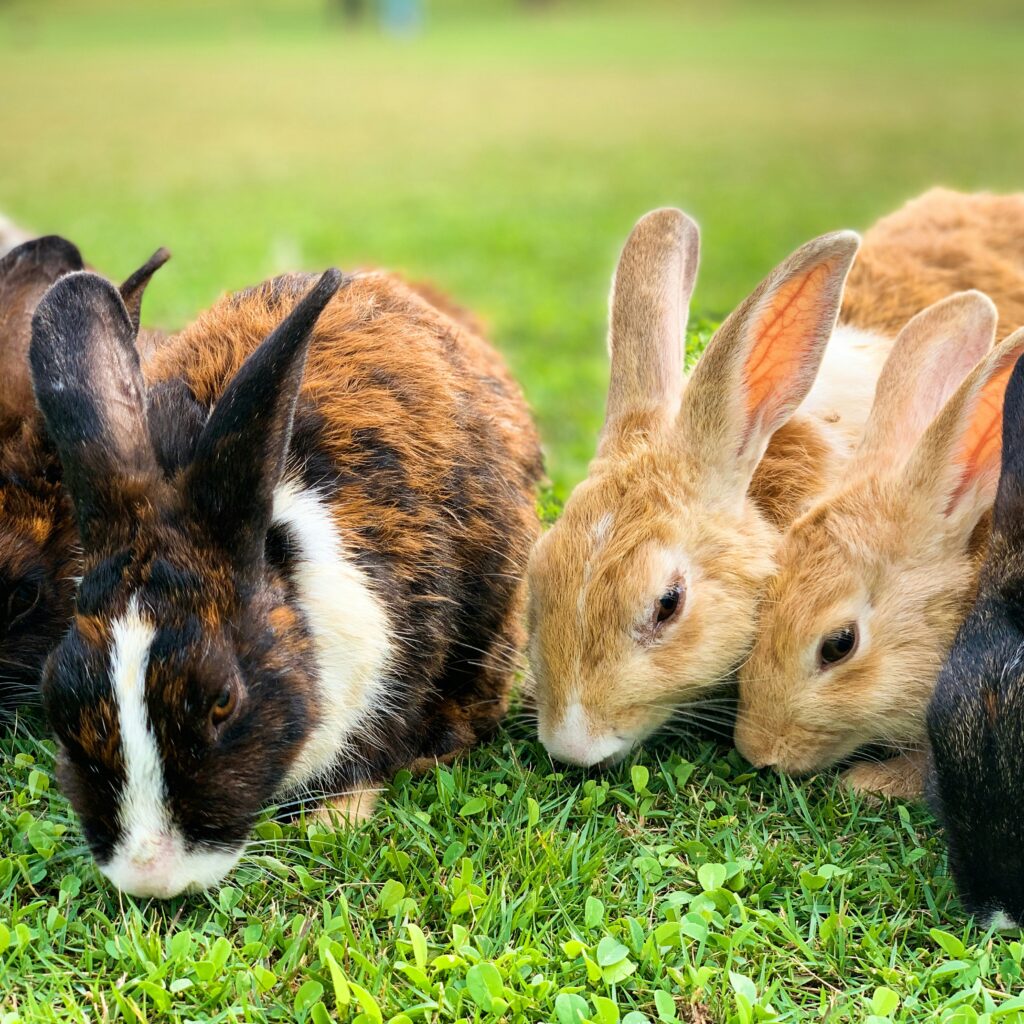
There are nearly 50 types of pet rabbits, which are great for apartments due to their litter box use, cleanliness, and quiet nature. They enjoy interacting with people and benefit from running around for exercise. However, rabbits like to chew and dig, so it’s important to rabbit-proof your home by hiding cords and keeping them away from carpeted areas.

12 Best Exotic Pets for Apartment Living

Ferrets

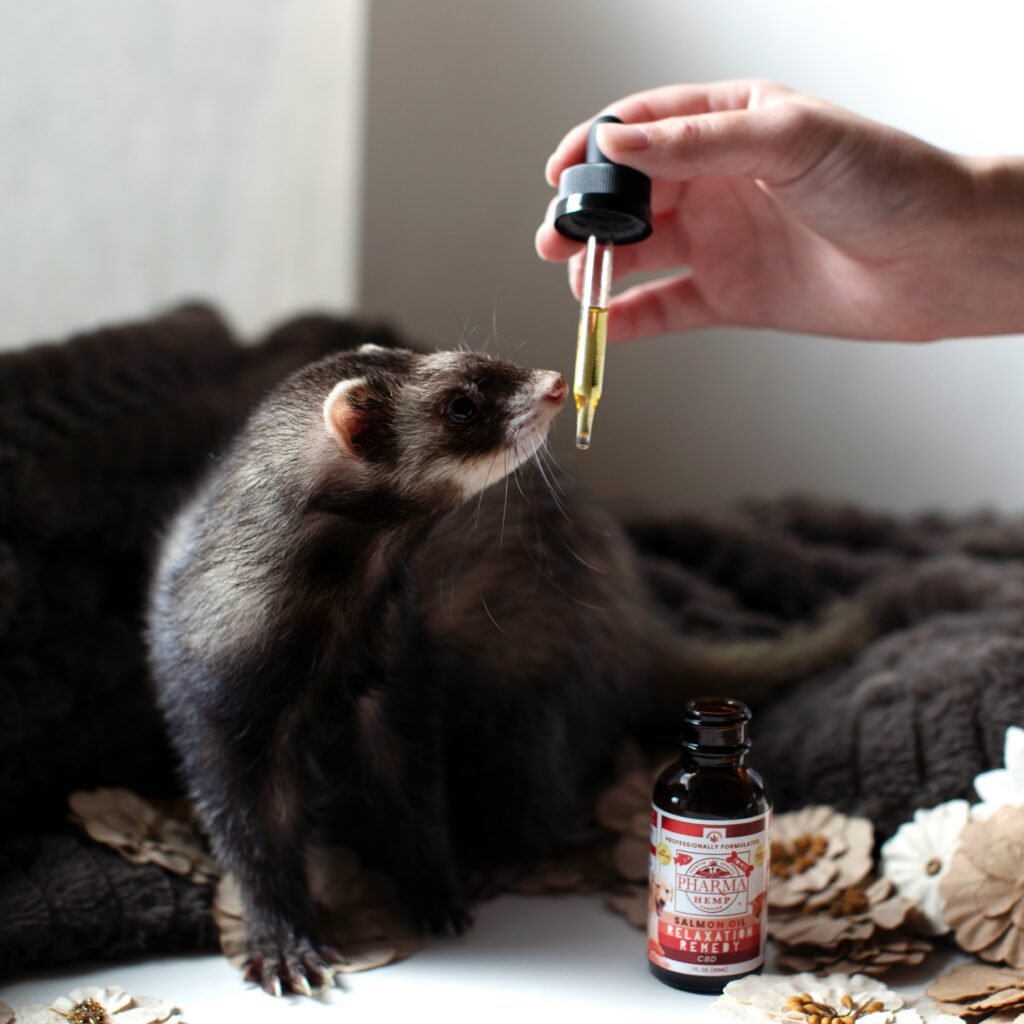
Ferrets like to play with people and each other. You need a big cage for them to play in. They’re good for apartments because they sleep a lot. They’re quiet but like to hide and get into trouble. You need to make your home safe for ferrets so they don’t escape or get into dangerous places.

12 Best Exotic Pets for Apartment Living

Rats

Rats are nice, quiet, and smart animals. They’re small and easy to take care of, so they’re good for small homes. Their cages don’t need to be very big. They’re easy to tame and like to be with people. Rats will probably sleep most of the day if you’re not home. They’re most active at night but will wake up to play during the day.

Hamsters

These are ideal pets for apartments because they do not require much room. They are low-energy, do not require washing, low-maintenance, and hypoallergenic. In my personal opinion, nearly all of those who are allergic can manage to live with a hamster. Well, hamsters are not very difficult to tame, especially when you are frequently stroking them. For a hamster, it requires a cage, a wheel, things to chew on, bedding, a hiding place, food, and water only.

12 Best Exotic Pets for Apartment Living

Guinea Pigs

Guinea pigs are sociable animals and are known to prefer the company of humans and are also quite tractable. It makes a low noise so that it will not disturb other people living in the neighborhood. Their cages do not have to be very large but should then be at least 7- 8 square feet in size. Several trees don’t climb much, so the cage does not have to be very high. Ensure your home safety when they arrive by taping all loose wires and removing lethal plants from reach.

12 Best Exotic Pets for Apartment Living

Mice

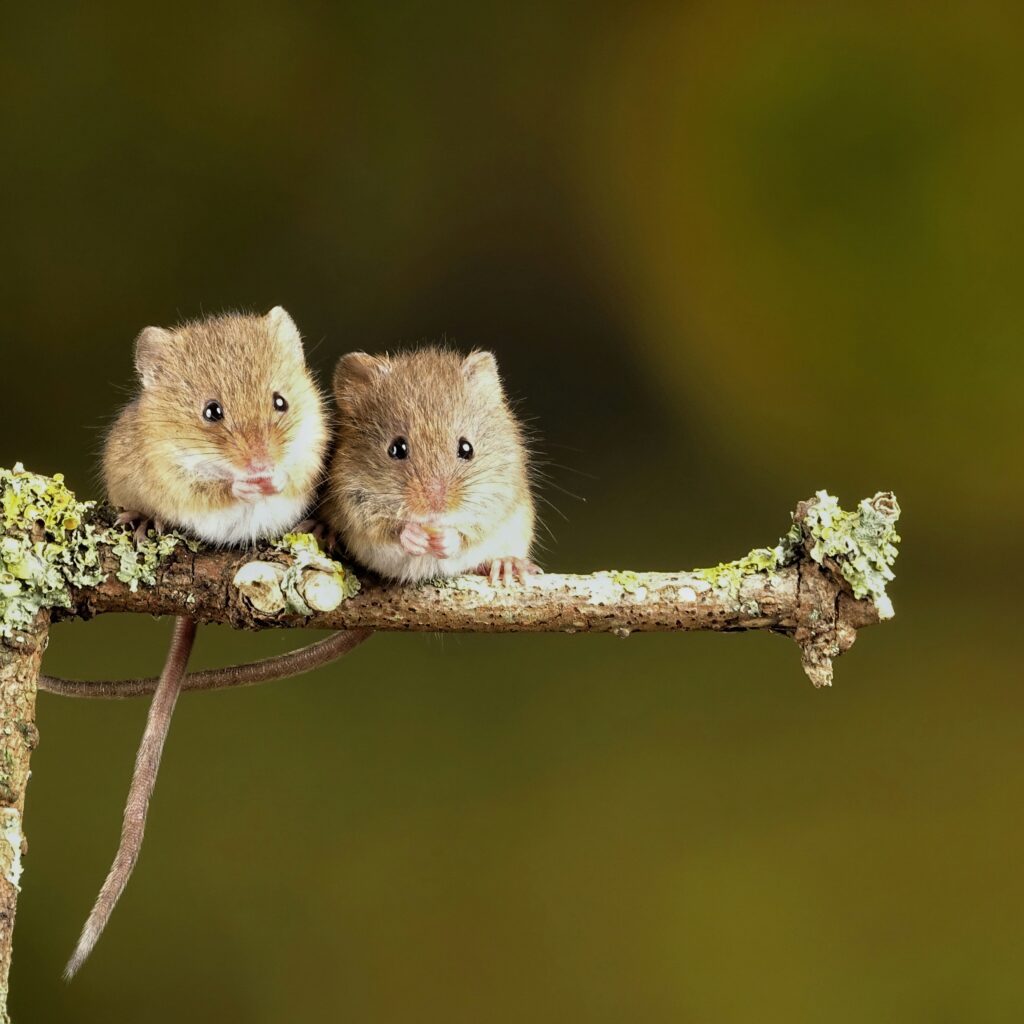
Mice don’t need much space or a big cage. They’re small, quiet, clean, and easy to care for. They’re also smart and fun to watch. They can be scared, but they can get used to people if you handle them often and give them food from your hand.

12 Best Exotic Pets for Apartment Living

Reptiles

The lizards and snakes should be retained for a small space since they are not as interactive as mammal species. It is easy to realize that they don’t make much noise and they do not require a lot of attention. Some of the low-maintenance reptiles include; the leopard gecko, crested gecko, house gecko, bearded dragon, and anole. Some small snakes only need very few enclosures and these are; corn snakes, king snakes, milk snakes, and ball pythons.

Frogs

Most frogs are of small sizes and therefore you can use a 10-gallon or a 20-gallon tank to accommodate them. There are different kinds of pet frogs: aquatic, semi-aquatic in nature, tree-dwelling, and large frogs which do not wander about much. While there are some frogs, frogs do not make sounds and if they do, the sound they produce cannot disrupt the neighbor’s peace.

Hedgehogs

Hedgehogs don’t need a big cage. They sleep most of the day, so they don’t mind if you’re not home. Hedgehogs are quiet and don’t cause allergies. They’re usually nice and like to be alone. In some places, you need a special paper to have a hedgehog. Check your state’s rules before you get one.

Hermit Crabs

Hermit crabs are easy pets. They’re quiet, don’t cause allergies, and are easy to care for. Hermit crabs are fun to watch because they change shells. They like to be with other hermit crabs if their tank is big enough. One hermit crab needs a 10- to 20-gallon tank.

Chinchillas

Chinchillas are rodent-like animals that like to have fun. Apartment-type beds are ideal since they are clean and most of them barely have a smell. According to the case, they are active at night and hence would not have noticed that you are not around. When young, one has to hand them a lot and they can warm up to you. According to the size, one chinchilla should be kept in a cage of not less than 2 by 2 feet.

Tarantulas

Hence, if you fancy spiders then taking care of a tarantula can be rather interesting. They are low-profile animals and do not make much noise and do not need a large tank. They don’t require much attention, can be fed every forty-eight hours, and do not get fazed by loneliness. Again, their form is not very potent, but you must not pick them.

Conclusion

This means that it’s not a problem if you cannot own a big house, many different animals can become good exotic pets. You can choose from rabbits, ferrets, rats, hamsters, guinea fowls, mice, lizards, snakes, frogs, hedgehogs, hermit crabs, chinchillas, or even tarantulas as pets. Many of these pets are non-intrusive, grooming themselves, and do not require large areas for their accommodation. Of them, some are low maintenance and do not require much attention. However, Before you get an exotic pet, you should learn about it and see if you’re allowed to have it where you live.

Should you keep a dog as a pet

Should you keep a dog as a pet

Should you keep a dog as a pet? Dogs have been cherished companions for centuries, offering unwavering loyalty, unconditional love, and endless entertainment. Choosing to adopt a dog is a big decision that has to be seriously thought about from many angles. The advantages of owning a dog are indisputable, but it’s important to balance them against the duties.

Should you keep a dog as a pet? Studies keep demonstrating how beneficial dogs are to people’s well-being. Research shows that dog owners frequently have better mental health, lower blood pressure, and fewer signs of stress. In addition to their physical health benefits, dogs can promote a sense of community and physical activity. Furthermore, having a dog as a companion might help reduce feelings of isolation and loneliness.

If you’re considering adding a furry friend to your family, don’t hesitate to explore more into the world of dog ownership. The next few sections will discuss the special benefits and difficulties of owning a dog. We will go over all you need to know to make an informed choice, from selecting the best breed to giving it the care and training it needs. Follow to join us as we set out on this exciting journey. 

Dogs: Are They Perfect Pets for You?

As pets, dogs are perfect for you.

Dogs Make Anyone j pets.

  • We don’t always have a large network of friends and relatives around us in life.
  • Having a dog as a friend can be rather helpful during these trying times.
  • Dogs enjoy being with and pleasing their owners.

Benefits of Having a Dog Pet

The benefits of spending time with dogs on your wellbeing are many. According to recent studies, having a dog has positive effects on your emotional and physical health. Dogs improve our health and happiness. They can even assist you get a date. They can also help us deal with an emergency. Some important benefits of having a dog as a pet are explained below:

  • Dogs can help us cope in  times of crisis
  • Dogs encourage you to move on and forget the old bad memories.
  • They are more social with anyone
  • They are made to be irresistible
  • Dogs make anyone happier
  • They can impact positively on anyone 
  • Dogs are good for your heart and they can help you to live longer 
  • They help anyone stop stressing out
  • They make anyone a responsible person.

The Nutritional Needs of Dog Pet

Pet dogs are not seen as exotic animals. They are tamed creatures that are often kept as friends. Dog breeds, sizes, ages, and activity levels might all have different nutritional needs, but commercial dog feeds generally meet the general dietary requirements of dogs.

Exotic pets, on the other hand, are creatures that are not endemic to a particular location or are rarely kept as pets. In some cases, their specific dietary needs cannot be met by ordinary pet food. Reptiles, amphibians, birds, and tiny mammals like rodents are a few examples of exotic pets. They can eat:

  • Fruits
  • Vegetables
  • Eggs 
  • Ice-Cream

Fruits:

Fruit is an ideal means to add diversity and nutrients to your dog’s diet. Slice the fruit thinly, remove the pits, and seeds, and peel, then freeze it for a refreshing treat on hot days. Fruit can also be hidden in toys or mixed into smoothies for an entertaining and challenging snack. You may easily add fruit to your dog’s meals by just sprinkling it over their usual fare. Remember that veggies are good for dogs, so feel free to feed them veggies as well. Some fruits you can feed your dog pets are given below:

  • Apples 
  • Black Berries
  • Cantaloupe
  • Cranberries
  • Papaya
  • Raspberries
  • Strawberries
  • Watermelon

Vegetables

Vegetables are a great source of fiber, vitamins, and minerals for dogs. To avoid digestive problems, introduce new veggies gradually and in small amounts.

These crops are safe for dogs to eat:

  • Carrots: Packed with fiber and beta-carotene.
  • Spinach: Rich in calcium and iron.
  • Broccoli: Provides K and C vitamins.

Green beans are high in fiber and low in calories.

  • Sweet potatoes: Rich in vitamin A and fiber.
  • Cucumbers: Improve digestion and hydrate the body.
  • Vegetable squash: Contains vitamins and fiber.

Steer clear of these veggies:

  • Onions and garlic: Toxic to dogs.
  • Tomatoes: The leaves and stems are toxic.
  • Avocado: Dogs may be poisoned by the fruit and pit.

Vegetables should always be well-cleaned before feeding them to your dog.

Bonding With Your Dog Pet

Dogs like to socialize with people. They depend on us for their shelter and food. Bonding with your dog is very important. As a result, they can feel healthier and happier. Dogs with close bonds have less stress and anxiety. This can lead to a better life for both the dog and its owner.

Tips to Train Your Dog Pet

When you keep your expectations, cues, and rewards consistent, dogs learn the most. When your dog exhibits positive behavior, it is important to reward it immediately. Additionally, teach your dog alternative actions if he misbehaves.

For example, instruct them to sit instead of jump. Repeated practice helps reinforce acquired skills. Practice in a variety of settings so your dog can apply these actions in a variety of scenarios. Start with easy tasks and gradually increase the difficulty to prevent frustration. To make training fun, learn your dog’s favorite stimuli. Remember that every dog ​​is different and develops at its rate, so use patience and hope.

Different Ways to Exercise Your Dog Pet:

There are the following ways to exercise your dog:

  • Running, walking, and hiking regular exercises to maintain fitness.
  • Agility and Fetch Training are enjoyable outdoor activities.
  • Indoor games of tug-of-war, hide-and-seek, etc.
  • Exciting Gamestoys with puzzles that stimulate the mind.
  • Playdates & Dog Parks: Meet and greet other canines.
  • Swimming is an excellent low-impact workout.
  • Training & Nose Work: Scent games and orders stimulate the mind. 

Fun Activities for Your Dog

  • Go hiking together.
  • Play fetch, tug-of-war, or hide-and-seek.
  • Let your dog swim in safe areas.
  • Try advanced training like agility courses.
  • Set up a simple obstacle course in your yard.
  • Try dock diving.
  • Arrange playtime with other friendly dogs.

Conclusion

Dogs are great companions. They are always enjoyable to be around and they love us so much. However, you have to be capable of handling a dog before getting one. Dogs require daily care, food, and exercise. They also need to play with other dogs, learn new things, and visit the vet. These goods can all be expensive. If you can’t provide the dog with the care it needs, consider your life and your home. Have a dog, and your family will be happy if you can.

Unconditional Love and Companionship:

Improved Physical and Mental Health:

Enhanced Security:

Socialization and Community Building:

Teaching Responsibility and Compassion:

What’s Wrong with Keeping Exotic Pets?

What’s Wrong with Keeping Exotic Pets?

Animal welfare groups often discuss what’s wrong with keeping exotic pets? in awareness campaigns.
Exotic pets are those animals that are not native to the owner’s country and most of these are kept for companionship and as a form of entertainment. This can be any reptile, bird, rodent, and other small mammals as well as some amphibians which to any degree of intensity and purity cannot be found in most homes.

Exotic pets can make people sick. Many carry diseases like Herpes B, Monkey Pox, and Salmonella. These diseases can spread to people. A lot of macaque monkeys have Herpes B.

If you want to know about the risks of keeping exotic pets then read the full article. It will increase the knowledge about keeping exotic pets in the home. This article explores what’s wrong with keeping exotic pets? and the risks involved.

What’s wrong with having a wild animal as a pet?

You can’t provide the right home for them.

Wild animals need special care. They need to be with other animals like them. Most people can’t give them what they need.

Apes are a special concern

Apes are smart, feel things deeply, and like to be with other apes. They’re like our family, and baby apes are cute. People sometimes use apes for shows or ads, and sometimes as pets. But this can be bad for the apes. It can be mean and dangerous. Apes can hurt people if they’re scared or angry.

What’s Wrong with Keeping Exotic Pets?
A cute small chimpanzee resting on a log and biting plant in a zoo in Valencia, Spain

Taking them from the wild can endanger the species

Parrots are in big trouble because people want them as pets. People catch and sell millions of birds, animals, and reptiles every year. Many of them die while they’re being caught or moved around.

You could get hurt

Wild animals can be dangerous. They can bite, scratch, or hurt people. If they do, the person who owns them is responsible. It can be hard to find a new home for a wild animal, especially if it’s big or hard to handle. Most zoos can’t take them.

You could get sick

Veterinarians explain what’s wrong with keeping exotic pets? by highlighting health and safety concerns.

  • Diseases include 
  • Rabies,
  • Distemper, 
  • herpes viruses
  • Salmonella
  • Polio
  • Tuberculosis
  • Rocky Mountain spotted fever
  • bubonic plague

It would probably be illegal

Many places have rules that say you can’t have wild animals as pets.

Some states where exotic pets are legal:

  • North Carolina
  • Nevada
  • Wisconsin
  • Alabama

What types of animals make good pets?

  • Dogs
  • Domestic cats
  • Guinea pigs
  • Domestic rats and mice
  • Domestic gerbils
  • Common hamsters
  • Domestic rabbits
  • Domestic chinchillas
What’s Wrong with Keeping Exotic Pets?

Visit a shelter

Millions of dogs and cats don’t have homes. They get killed every year. You can find a pet to adopt on PetFinder.

Are exotic pets Ethical or not?

When I think about animal welfare, I like to think about the basic things they need. These are the most important things. Let’s see if we can keep exotic pets and still give them what they need.

They need the right food and fresh water

It’s easy to think that feeding animals is simple, but it can be hard, even for dogs, cats, and rabbits. Exotic animals need different foods depending on what they are and where they come from. Some reptiles don’t need to eat very often, which can be hard for owners to understand. Humans love to feed animals, but this can make them overweight. Many wild animals eat live prey, and even if we give them fake prey, they might not eat it. 

The need for the right environment

I think it’s hard to keep exotic pets because we can’t give them the right environment. Some come from very hot, dry places, but we bring them to cold places like Europe and try to make a tiny desert in a glass tank.

What’s Wrong with Keeping Exotic Pets?
Aquarium Lizard , fish Tank,Inside

The need to be protected from pain, injury, and disease

We don’t know everything about animal diseases. Vets can have a hard time with this. Probably 90% of the drugs are developed for mammals so we are unsure whether they are safe for other animals.

Laws Governing Private Possession of Exotic Animals

Federal Laws:

According to the Endangered Species Act one may not sell; offer for sale or purchase an endangered species. The government can however discourage people from engaging in the activity but it does not in any way ban the ownership of the items. The Public Health Service Act states that no one is permitted to import monkeys into the country unless for science, education, or for putting up a show.

State Laws:

Some states ban their possession altogether particularly large cats, wolves, bears, monkeys, poisonous snakes, and other exotic animals. The other states argue that it is okay to own certain types of exotic animals but not the others. A few states require that you have a license or permit to own exotic animals. Other states do not require a license but they probably may have some requirements like the vet’s certificate or other papers proving that you got the animal right and legally.

Local Laws:

Other local laws in many cities and counties are even more rigorous than those of the state. They assume that some of those animals are a threat to human beings, or they enact regulations to control possession of the exotic animals or outlaw them. In this, people go around the rules by acquiring breeding permits or exhibition licenses or relocating to another region where there are no laws.

Conclusion

Some of the exotic pets including reptiles pose a threat to human beings and can cause diseases. Wild animals are almost impossible to look after as pets and they also can not live in the right conditions. Further, many places have regulations regarding owning exotic animals, but it is possible to work around them.

So, people should consider these risks before getting an exotic pet. If you want to see unusual animals, visit a zoo or wildlife reserve where experts care for them properly.

10 Best Exotic Pets Spaces

10 Best Exotic Pets Spaces

Exotic pets like geckos, small snakes, frogs, tarantulas, hermit crabs, hedgehogs, sugar gliders, parakeets, finches, bettas, and dwarf rabbits do well in small areas. These animals require little room and are clean to hold. Many, like reptiles and invertebrates, need minimal interaction, while birds and small mammals bring companionship without demanding much space.The phrase 10 Best Exotic Pets Spaces highlights pets that can live well in limited areas.

Researchers emphasize the suitability of these pets for small living areas. They explain that many exotic pets stay healthy with limited space and attention. These animals don’t need a lot of social interaction or space for physical activity, making them ideal for smaller homes. Experts recommend learning about each pet’s habitat needs to ensure proper care.

Owners must ensure proper lighting, temperature, and care. Each pet species needs specific habitats that must be maintained. Compact habitats fit in small areas, but owners should keep pets stimulated. Pets may also produce odors or noise, so keeping their space clean is important for the pet’s health and the owner’s comfort. Many apartment owners search for 10 Best Exotic Pets Spaces online.

  • Rabbits
  • Ferrets 
  • Mice
  • Hermit Crabs
  • Tarantulas
  • Emperor Scorpions
  • Hissing Cockroaches
  • Frogs and Toads
  • Snakes
  • Hamsters

Rabbits

There are about 50 breeds of rabbits that people can undertake. These small and quiet exceptional mammals love to cuddle and enjoy the company of their owners. However, rabbits love to dig and bite. They are also litter-trained, so they don’t need access to the outdoors. You can even provide exercise by letting your rabbit roam freely around your home.

10 Best Exotic Pets Spaces

Ferrets 

Ferrets are very playful, You also need to be careful of their mischievous nature. quiet pets that will spend most of their day sleeping. They also require a large cage, so they have enough space to play in. They need a secure cage with multiple levels, and owners should ferret-proof the area to prevent accidents.

10 Best Exotic Pets Spaces

Mice

Mice are small, low-maintenance pets that without difficulty adapt to compact environments. They are active, social creatures that revel in exploring and interacting with their environment. If you don’t have lots of time to deal with your animal but still want to see something cute, cuddly, and fun. So get a pair or a small group of mice, they are calm and easy to care for, and you can enjoy watching these little pets do their playful activities.

10 Best Exotic Pets Spaces

Hermit Crabs

Hermit Crabs Eat The hermit crabs feed on diets ranging from one type to the other., the food they take is things such as dead plants and smaller insects.. A proper diet is a natural way of boosting the health status of hermit crabs so that they can grow healthily. 

It sustains their shells and their bodies

A 10-gallon tank can with no trouble keep medium-sized or some small shrimp. Keep the temperature at 72 to 80 levels Fahrenheit. These animals can be quite attractive to watch. And since they are social, keep at least one pair of crabs to keep them company.

Tarantulas

Caring for pet tarantulas requires a controlled environment and proper care to stay healthy. Establishing the right habitat, offering the right food, and handling them as little as possible helps keep them healthy. But these animals are not as poisonous as people think. Most species kept as pets sting like bee stings, although some people may be allergic to them.

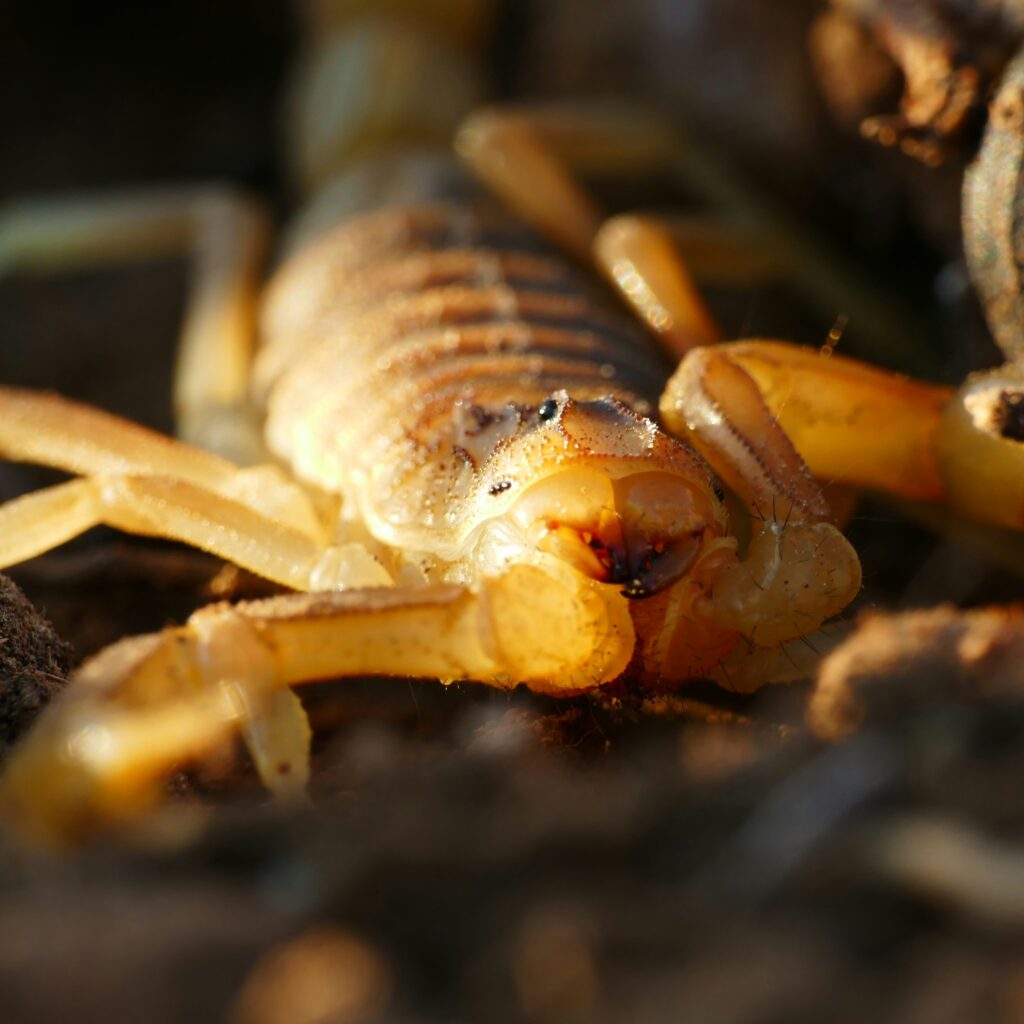
Emperor Scorpions

Emperor scorpions live in 10-gallon tanks, like tarantulas, scorpions are quiet, clean, and very easy to care for. They are not poisonous, although the stings are painful and handling is not recommended. And they are interesting to watch. They can be kept singly or in businesses, however a group calls for about a 20- to 30-gallon tank.

Hissing Cockroaches

The hissing cockroach is a large, non-aggressive insect local to Madagascar, known for its hissing sound produced through expelling air through spiracles. It feeds on decaying plants, fruits, and vegetables, women supply start to live younger because the species is oviparous. They are robust and self-enough, requiring minimal care. Feed them a pelleted food plan, alongside sparkling culmination and vegetables, and make certain their water is in a shallow dish to save them from drowning.

Frogs and Toads

Many frogs and toads are nicely suited to small spaces. Frogs have smooth, moist skin, lengthy legs for jumping, and stay close to water. They lay eggs in clusters and have thin, soft bodies. On the other hand, toads have dry, porous skin, short legs for jumping, and can stay away from water. Their eggs are laid in long chains, and their carcasses are highly stored. And, despite their large size, Pacman frogs are quite sedentary and can live in a 10-gallon tank.

Snakes

Among snakes, corn snakes are good for beginners and don’t need large homes to thrive. They are generally nice, easy-going snakes that can live up to about 20 years with proper care. A 20-gallon tank that is tall and shallow sufficient needs to be best for an adult.

Hamsters

Hamsters are small, nocturnal rodents that can be commonly stored as pets. They have round bodies, brief tails, and massive cheek pouches used to shop for meals. Hamsters need as a minimum a 2-rectangular-foot cage with meals, bite toys, and a protected area wherein they can cover and sleep. A strolling wheel in the cage can assist them to live wholesomely. Also, they can have supervised playtime outside the cage.

Conclusion

The phrase 10 Best Exotic Pets Spaces is used to describe pets that fit well in small homes. Exotic pets like rabbits, ferrets, mice, hermit crabs, tarantulas, emperor scorpions, hissing cockroaches, frogs, toads, snakes, and hamsters fit well in small spaces. These animals need minimal room and maintenance, making them ideal for compact homes. Each pet requires specific care, such as proper temperature, lighting, and stimulation, to stay healthy. They offer companionship or fascinating behavior without needing much space or attention. Research and preparation ensure their habitat meets their needs, providing a healthy and comfortable environment.

List of Exotic Pet Boarding Facilities

List of Exotic Pet Boarding Facilities

Finding List of Exotic Pet Boarding Facilities can be hard. But there are great options in the U.S.Creature Comforts Pet Hotel in Colorado is good for reptiles and birds.GreyHaven in Nashville has skilled staff for many exotic pets. Pet Ponderosa in Washington keeps the right temperature and humidity.

More people are getting exotic pets. These pets need special care when their owners are away. They need the right environment and experts to look after them. Because of this, many boarding places now focus on exotic pets.This list shows some of the best places to exotic pet boarding facilities. It combines expert advice and user reviews. This will help you choose the right care for your pet.

List of Exotic Pet Boarding Facilities
Cage full of dog puppies

To make sure your exotic pet gets great care, check out different boarding options. Each place on our list offers special services for various exotic animals. By reading this blog, you’ll learn about the features and staff at each place. This will help you find the best spot for your pet and give you peace of mind while you’re away. Explore the blog to see how these top-rated places keep your exotic pet happy and healthy.

Types of Exotic pet Boarding Facilities

There are following main types of exotic pet boarding facilities:

  • Exotic Pet Hotels
  • Exotic Dog Kennels
  • Exotic Cat Boarding
  • Veterinary office 
  • Private Exotic Pet Boarding

Exotic Pet Hotels

  • Exotic Pet hotels are more luxurious and more like kennel boarding or cage-free boarding. 
  • When selecting a pet hotel, review each facility separately and receive information directly from the staff about the structure and setup.

Exotic Dog kennels

  • Exotic Dog kennels are a type of traditional pet boarding.
  • This boarding facility has a designated area for each dog.
  • Dog kennels are ideal for pets that are aggressive, small, gentle or do not like to socialize with other pets. Also, dog kennels work well for parents who want to keep their dogs separate from other animals.

Trained staff take your pet out several times a day. When pets are brought in, a questionnaire is filled out that covers diet, movement and behavior. This is done to ensure that pets are as comfortable as they can be during their stay.

Exotic Cat Boarding

These are similar to dog boarding facilities with individual areas for each cat. Cats can be housed in cages, condos or suites, depending on the facility you choose. The cage-free facilities have individual bungalows as well as various group areas.

Veterinary Office

A veterinary office is usually a good choice for pets with special medical needs, who are on medication, have a contagious infection, or are recovering from surgery. Pet parents must provide basic information about their pet during the onboarding process. Inform the veterinarian of any medical conditions, pet food choices, and any special care needs. While being boarded by the veterinary office, dogs are put into large runs, and cats are usually kept in cages. Sometimes multiple dogs are housed in the same race.

List of Exotic Pet Boarding Facilities

Private Exotic Pet Boarding

Private exotic pet boarding is a more intimate, in-house alternative to traditional pet boarding. These facilities have fewer animals, more playtime and more attention. Pet parents have the option to segregate their pets or let them socialize. For kiteboarding, arrangements may vary.

For example, felines usually get a full space with cat toys and a cat tree.

List of Top Exotic Pet Boarding Facilities

Finding a reliable boarding facility for exotic pets can be challenging, but there are several excellent options across the U. S. Here are some of the best exotic pet boarding facilities, known for their expertise and exceptional care:Finding a reliable boarding facility for exotic pets can be challenging, but there are several excellent options across the U. S. Here are some of the best exotic pet boarding facilities, known for their expertise and exceptional care: 

Creature Comforts Pet Hotel – Colorado

Creature Comforts Pet Hotel offers a safe and specialized environment for reptiles and birds. With state-of-the-art enclosures and experienced staff, they ensure your exotic pets receive the appropriate care and attention they need.

List of Exotic Pet Boarding Facilities

GreyHaven – Nashville, Tennessee

Located in Nashville, GreyHaven is renowned for its experienced staff who are adept at caring for various exotic pets. Their facility is designed to cater to different species, providing customized care that meets the unique needs of each animal.

Pet Ponderosa – Washington

Pet Ponderosa stands out for its commitment to maintaining optimal conditions for exotic pets, including precise temperature and humidity controls. This facility is ideal for pets requiring specific environmental conditions to thrive.

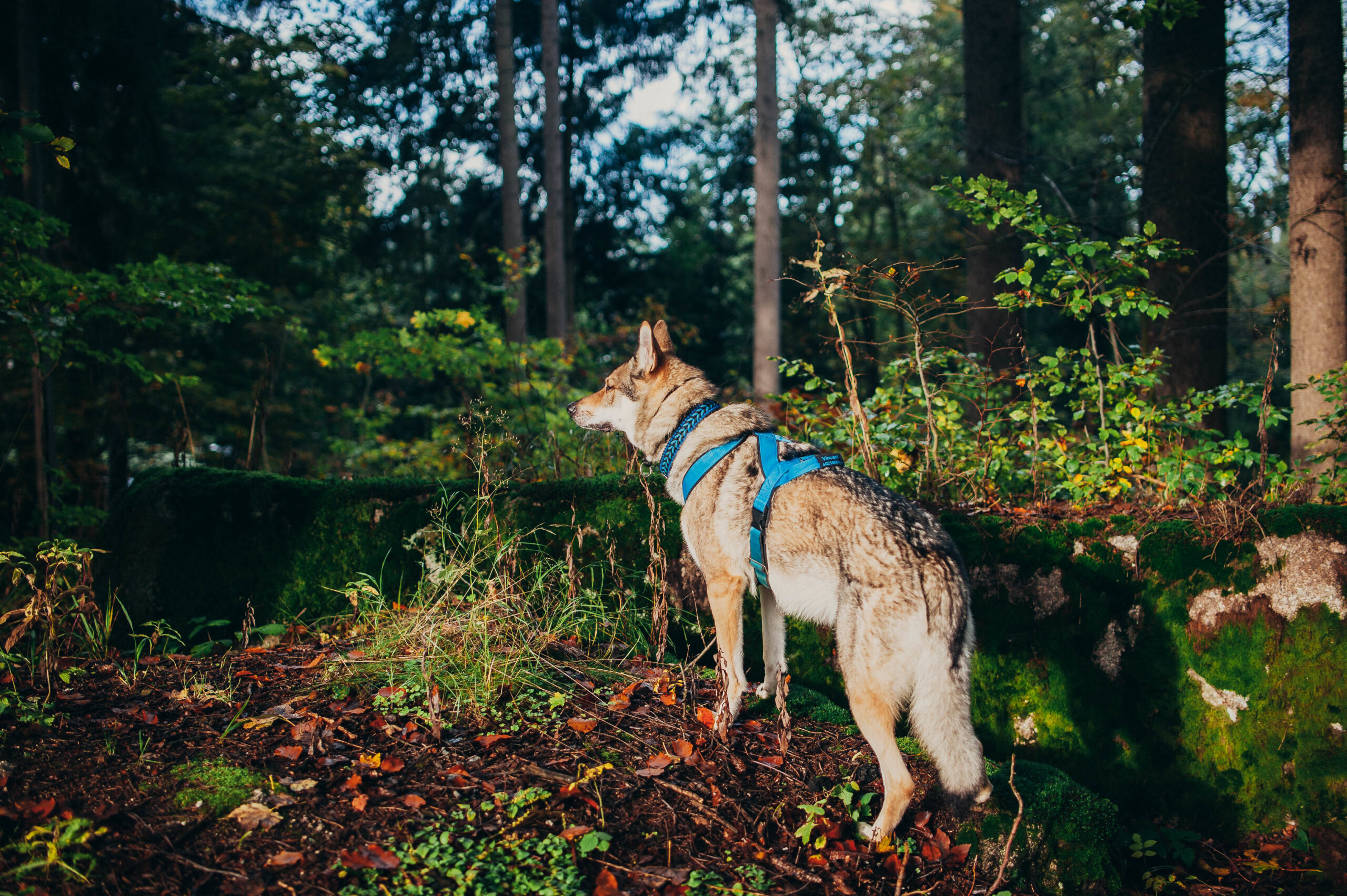
A view of wolfdog with harness standing on the ground

Tips for choosing the Right Exotic Pet Boarding Facilities 

There are following tips to choose the right exotic pet boarding facilities:

  • Check the boarding facility’s rules and policies.
  • Check with the facility to determine the exotic pet vaccination requirements.
  • Check out the facility well ahead of time.
  • Trust your gut when looking for the best place to board your exotic pet.

Conclusion

Select a boarding facility that aligns with your exotic pet’s unique needs.Creature Comforts Pet Hotel, GreyHaven, and Pet Ponderosa are great choices. Think about what your pet needs, like diet and space. Look for a place with staff who know about exotic pets. Check these things carefully to find the best care for your pet.

How to Take Care of Exotic Pets

How to Take Care of Exotic Pets

Exotic pets need a lot of care. Each one has different food, living space, and health needs. Keep the right temperature and humidity to make their home feel like their natural habitat. Take them to a vet who knows exotic animals. Also, make certain you follow the laws about owning extraordinary pets.

Experts say it is essential to recognize what your puppy needs. Some pets get sick or stressed because proprietors do not know how to care for them. Birds and reptiles can cause illnesses to people, so preserving them easily is essential.

Learn what your Exotic pet needs before getting it. Feed them what they would eat in the wild. Make their home like their natural environment. Give them things to play with. Take them to the vet often to keep them healthy.

Tips for Good Exotic Pet Care

Owning an exotic pet offers joy and fascination but requires specialized care. Meeting their needs is essential for their health and happiness.

Getting to Know Your Exotic Pet

Before bringing home a unique pet, thorough studies are vital. Understanding their species wishes, herbal conduct, lifespan, and capability health dangers is an important step to presenting ultimate care. Each distinct pet, be it a fowl, reptile, or small mammal, has its set of requirements.

 Housing Your Exotic Pet

Exotic pets frequently want a selected environment to thrive, which extends beyond a basic cage or enclosure. From temperature and humidity degrees to light exposure and substrate kind, each thing ought to mimic its herbal habitat.

How to Take Care of Exotic Pets

 Essential Dietary Needs of Exotic Pets

Diet is fundamental in keeping your exotic pet healthy. An iguana wishes for sparkling veggies and culmination, a parrot calls for seeds, result, and bugs. Understanding and offering a species-appropriate food regimen is critical, and we’re usually here to manual you.

Safely surrendering your exotic pets

Always supervise children around unusual pets, as they’ll damage those sensitive creatures by chance. Techniques for handling individual pets may be very one-of-a-kind from conventional pets, and improper handling can lead to strain or injury. Gentle, confident coping enables building consideration between you and your pet.

Maintaining hygiene for exotic pets

Habitats ought to be cleaned frequently, and any soiled bedding has to be eliminated right now. Cleanliness may be very essential to save you from sickness in unusual pets. They also took much care. Toys, meal bowls, and water bowls also need regular cleansing to prevent the boom of microorganisms.

How to Take Care of Exotic Pets

Legal Considerations

Legal consideration involves exchanging value in a contract, such as money for goods or services. In insurance, the insured pays premiums for protection, and the insurer provides indemnity. Contracts lack legal consideration when minors sign or when they involve illegal activities. Policyholders and insurers determine the legal terms.

Precautions

  • Understand contract terms
  • Ensure valid consideration
  • Check legal capacity
  • Avoid illegal activities
  • Consult a lawyer

The Importance of Habitat

Life cannot thrive without food, water, safe haven, and area requirements. Protecting natural habitats is critical to a wholesome surrounding, now not only for human beings but also for plant life and animals. PHS encourages gardeners in any respect level to play their part in developing, helping, and protecting herbal habitats.

Appropriate Enclosure

A designated space that provides safety and resources for wildlife or plants.

  • Safety: Protects from predators and harmful elements.
  • Comfort: Offers suitable conditions for thriving.
  • Resource Access: Ensures availability of food, water, and shelter.

Ventilated Space

A ventilated space promotes air circulation and ensures fresh air flows freely. Key features include good airflow and temperature control, which maintain optimal conditions for plants and animals. This setup reduces disease risk and supports health. It also encourages growth and productivity, creating a natural habitat that enhances life quality for all inhabitants.

Dietary Needs 

Exotic pets have specific nutritional wishes, so research every species carefully. Offer a balanced weight-reduction plan with proteins, carbohydrates, fats, nutrients, and minerals. Include fresh results, greens, and suitable proteins. Use supplements to fill nutritional gaps, and offer constant access to easy, sparkling water. Identify and avoid foods that could harm your pet.

Nutritional supplements

Nutritional supplements address dietary deficiencies in exotic pets. They include vitamins for overall health, minerals for bone health, and probiotics for digestive health. Available in powders, liquids, or tablets, supplements can enhance nutrition. Always consult a veterinarian before adding supplements to ensure proper dosage and necessity for your pet.

Freshwater

To care for uncommon freshwater pets, create the right tank surroundings with the proper length and dependable filtration. Test the water for pH, ammonia, nitrite, and nitrite stages. Do 20-30% water modifications weekly. Maintain the tank and check equipment regularly. Learn the specific needs of each species for optimal health.

Veterinary Care and Maintenance

Exotic pets You ought to bring them in for checkups every six months and cleanings a couple of times a year. Pets ought to be visible for a test-up at least as soon as every six months. During your visit, our vets will look at your pet and make certain their fitness and well-being is being maintained.

  • Regular Check-Ups
  • Vaccinations
  •  Parasite Control
  •  Nutrition
  •  Stress Reduction
  •  Observation
  • Record Keeping

Regular check-ups

Regular check-ups for exotic pets maintain health and catch issues early. Schedule annual visits for healthy pets and biannual for older or at-risk animals. During exams, vets check physical health, weight, and dental condition, and conduct fecal and blood tests. Each species has unique needs, so consider those specific to your pet. Watch for signs of illness, like behavior changes or unusual droppings. Choose a vet who specializes in exotic animals for tailored care.

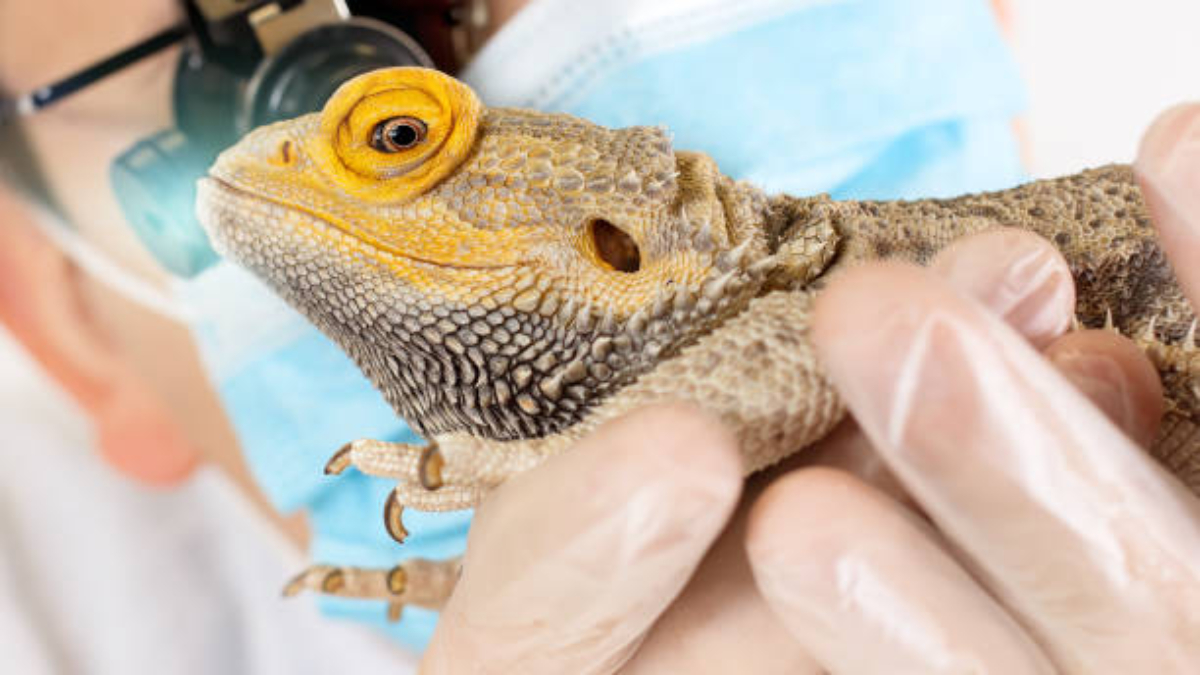
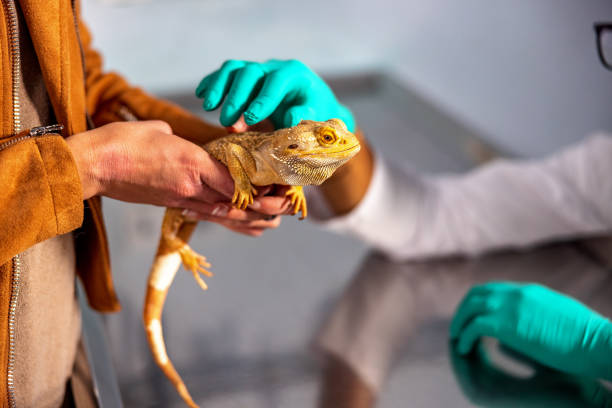
Hispanic veterinarian examining a bearded dragon from the head to the tale on the exam table.

Preventive Care

Preventive care for exotic pets boosts their health. Offer a species-specific diet and maintain proper habitat conditions. Treat for parasites regularly and monitor dental health. Daily interaction reduces stress and improves overall well-being.

  • Nutrition
  • Housing
  • Vaccinations
  • Regular treatments for parasites.
  • Dental Care
  • Socialization Regular handling and interaction to reduce stress.
  • Monitoring

Socialization

Socialization helps reduce stress and improve the well-being of exotic pets. Regular handling and interaction provide mental stimulation and prevent behavior problems. Tailor the methods to the species, with daily interaction being ideal for most pets. Proper socialization prevents aggression, fear, and withdrawal, ensuring healthier, happier pets.

Gentle Handling

When managing distinct pets, it’s crucial to method them with care and admiration for his or her particular needs. Avoid surprising actions or loud noises that would startle them. Provide appropriate assistance for his or her frame structure to save you from injuries. Respect their limitations and permit them to retreat if they appear uncomfortable. Positive reinforcement, which includes gentle petting or treats, can assist build belief and make managing studies more exciting for each of you and your puppy.

Conclusion

Taking care of individual exotic pets requires study and dedication. Learn their eating regimen, housing, and health wishes earlier than bringing one domestic. Create a habitat that mimics their herbal environment with the proper temperature, humidity, and mild. Feed them species-suitable meals, and use dietary supplements if wished. Schedule everyday vet check-ups with a distinct animal specialist. Keep their living space clean to prevent disease. Handle them gently and respect their behavior. Follow the laws on exotic pet ownership.

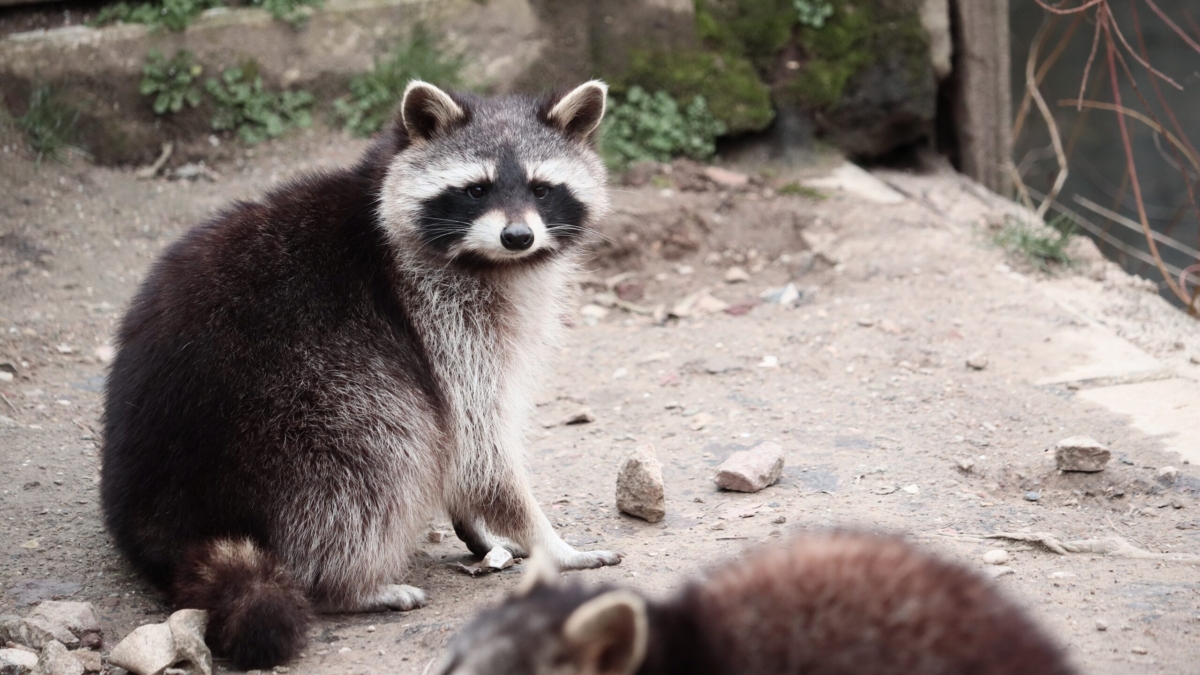
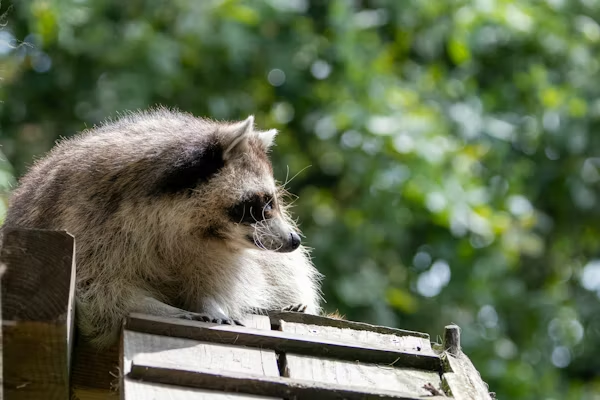
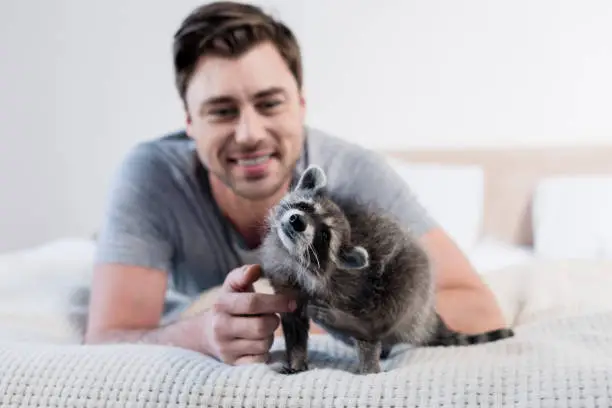
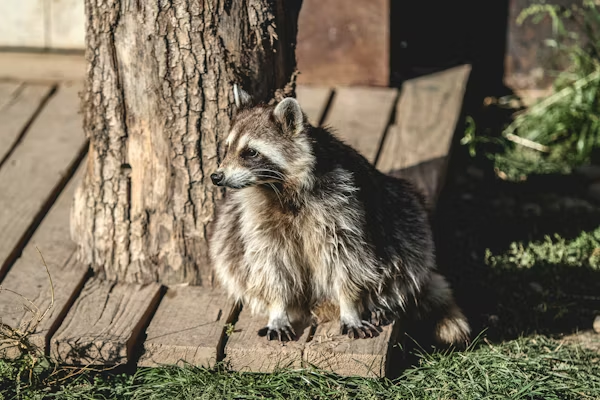
Should You Keep a Raccoon as a Pet?

Should You Keep a Raccoon as a Pet?

Should You Keep a Raccoon as a Pet? Raccoons as an exotic pets are smart and curious animals. Some people think Raccoons as an exotic pets and would make fun of them. But raccoons need special care and space. They can also be vague, undisciplined, and uncontrollable. Still in this article, we shall examine whether raccoons are suitable for home petting. One also needs to consider some challenges that come with it before considering getting one.

Experts have different opinions Should You Keep a Raccoon as a Pet? about having raccoons as pets. Some think raccoons are smart and can be happy at home with good care. Others say raccoons are wild and hard to manage. They point out issues like health risks and behavior problems. This makes it clear that choosing a raccoon as a pet is not easy.

There are certain things that a person should understand before acquiring a raccoon which includes. This article is going to describe how you take care of a raccoon, what is satisfying and what is not. You’ll learn about their needs and possible problems. Reading this will help you decide if a raccoon is a good fit for you and if you can handle the care they need.

Do Raccoons Make Good Pets?

Raccoons are hard to care for. They need a lot of attention and space. They are smart and need a lot of things to do. Raccoons are not for everyone. Think carefully before getting a raccoon.

Raccoon Behavior and Temperament

Before making a Raccoon as a Pet you must know raccoons can be tamed but they can also attack or bite a person. They can be very destructive and require a lot of attention. Most people need to know that raccoons are not ideal for being adopted as pets.

Housing

Raccoons as a pet are very playful animals and require a large area in which they can roam around. They are destructive features and may prove harmful to your home. So, if you have raccoons as a pet, you must ensure your home is secure for them at all times. You should also need to create a safe and suitable enclosure for your raccoon to play outdoors.

Specific Substrate Needs

Put a blanket or dog bed in the crate for your raccoon. The blanket or dog bed should be easy to wash.

What Do Raccoons Eat & Drink?

Raccoons eat meat and plants. Give your raccoon a variety of food. Raccoons are messy eaters. They like to dunk their food in water. Change their water often. Feed your raccoon twice a day. Hide their food for them to find.

The Problems With Pet Raccoons

Raccoons can be quite challenging pets. They require a lot of space, attention, and supervision. They can also be destructive, and their nocturnal habits can disrupt sleep.

  • Mischievous nature
  • Difficulty finding care
  • Various temperaments
  • Disease carriers

Common Health Problems

Raccoons can carry many diseases, including:

  • Rabies
  • Raccoon roundworm
  • Leptospirosis
  • Giardia
  • Coccidiosis
  • Cryptococcosis
  • Coccidioidomycosis
  • Paracoccidioidomycosis

It is also significant to appreciate that not all raccoons have these diseases, and the chances of getting a disease from the raccoon are rather low. However one should not be unaware of the risks and the measures that can be taken to minimize body exposure to them.

There are following measures to keep your pet Raccoon safe and healthy:

Exercise

Raccoons as a pet can become fat if they don’t have enough space to move around. Give your raccoon lots of space to play. Put branches and shelves in your house for your raccoon to climb on. Give your raccoon toys to play with.

Grooming

Raccoons need a little grooming. They are not hard to groom.

Shedding

Raccoons shed their fur twice a year. They shed their fur in spring and fall. Brush your raccoon to keep their fur from getting matted.

Bathing

Raccoons are clean animals. They groom themselves. They need baths sometimes. Ask your vet how often to bathe your raccoon. Raccoons need their nails trimmed. Ask your vet to trim your raccoon’s nails.

Size Information

The raccoons have a body length of about 16 to 28 inches and their body weight between 7 to 20 pounds. It takes up to a year for them and just around 4 months to mature into adult worms.

Training Your Raccoon

Raccoons are smart. Even at this age they can recognize their name and can be trained on basic commands like ‘shake’ and ‘sit’.

Potty Training

Raccoons can use a litter box. They are stubborn. Teach them like you teach a cat.

Similar Exotic Animals to the Raccoon

  • Capuchin monkey
  • Kinkajou
  • Skunk

Conclusion

Raccoons do not make true pets. They are wild animals and need lots of area. They regularly cause damage and require a whole lot of care. Raccoons can also chunk and might carry illnesses that spread to humans.

Think carefully earlier than deciding on a raccoon as a puppy. Cats or dogs are higher options. They are less complicated to take care of and less likely to damage each person. A canine or cat makes a much friendlier addition to a domestic

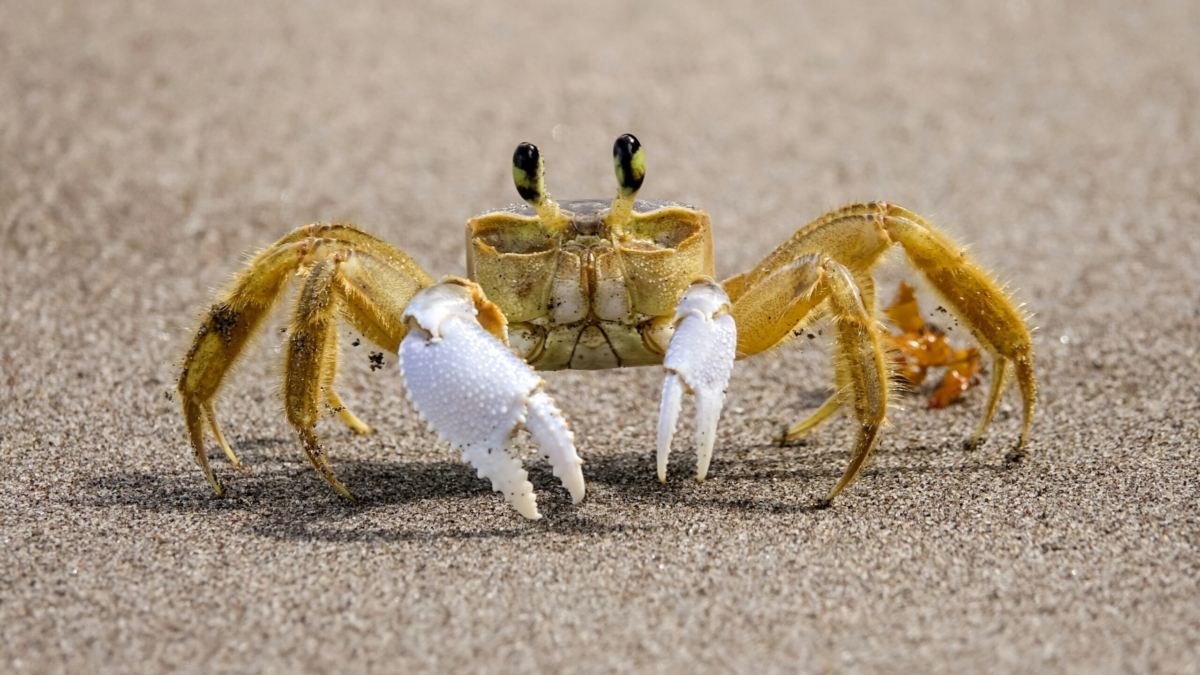
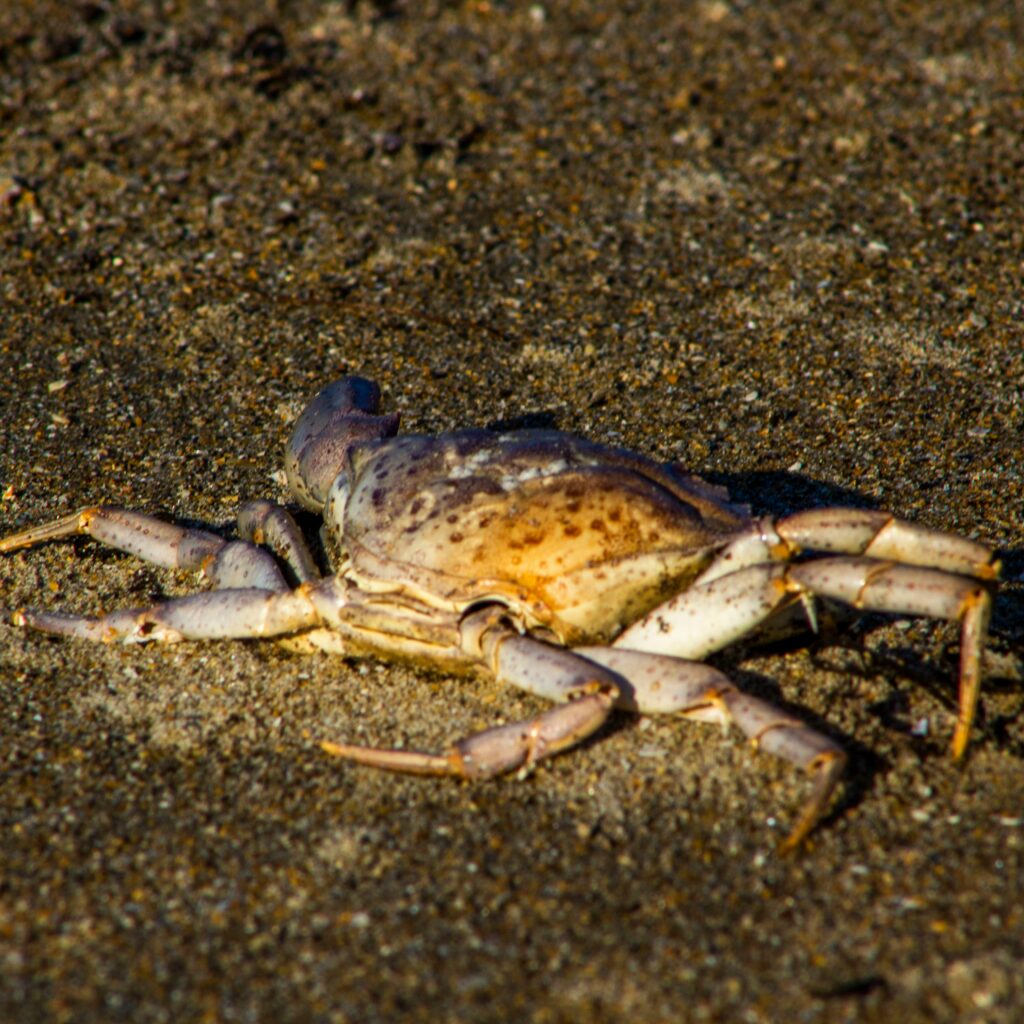
Hermit Crab Molting Time

Hermit Crab Molting Time

The different stages that Hermit Crab Molting Time pass through when molting include; They have to get ready for it, they lose their old skin, get ready a new hard skin, and then start crawling again. The process of shedding is done swiftly while the rest are slow and can be very much a stressing process.

Some of the facts about hermit crabs include the fact that they do not have bones. To support the tough outer covering also called the exoskeleton, their bodies are provided with hard shells. Thus, while the exoskeleton does not extend like a crust around the hermit crab, she or he must molt to get even larger.

If you are curious about hermit crabs, then read this article. It will be very beneficial to increase your knowledge.

Hermit Crab Molting Time

Molting Process and Stress Behavior

Hermit Crab Molting Time to shed and regrow their exoskeleton, not to lose limbs. This process has four stages: inter-molt, pre-molt, molt, and post-molt. Hermit crabs spend most of their time 80-90% dealing with molting or recovering from it. Proper temperature and humidity are important for a successful molt, and crucial for their growth and health.

Hermit Crab Molting Time

Molting Time table

The Hermit Crab Molting Time has four stages: They include preparing, shedding, hardening, and recovering. Shedding the shell is quick, but the other stages take longer and are stressful. The time it takes for a crab to molt depends on its size. Larger crabs take longer. It’s best to leave a hermit crab alone when it’s molting.

Signs of Incoming Molting 

It’s helpful to know when a hermit crab is about to molt so you don’t bother it. Look for these signs that your hermit crab is getting ready to molt:

Difference in behavior

Hermit crabs have different personalities. They eat different amounts of food, play for different lengths of time, and act in different ways. When they are about to molt, their behavior will change.

Eating

Hermit crabs will eat a lot before they molt. Then, for a few days, they will stop eating and become very tired and lazy.

Lethargic Behavior

Hermit crabs move less when they are about to molt. Sometimes they drag their big claw under them like it’s too heavy.

Changing Shells

Hermit crabs may start changing shells more often when they are about to molt. They may even choose a smaller shell. Some people think that smaller shells make it easier for hermit crabs to bury themselves.

Hermit Crab Molting Time

Substrate Testing

Hermit crabs may dig holes in different places to find the best spot to molt. They may bury themselves and then come up again many times.

Difference in appearance

Cloudy eyes

Hermit crabs usually have black and shiny eyes. If their eyes are cloudy, it may be a sign that they are about to molt.

The color of the exoskeleton

Hermit crabs may look a little duller in color when they are about to molt.

Limb regeneration

If a hermit crab loses a limb, it will start to grow a new one. At first, the new limb is small. But as the crab gets ready to molt, the limb will grow bigger and look more defined.

Fat pouch developing

Hermit crabs may develop a fat pouch on their abdomen. This pouch helps them get food while they are buried and not eating.

Types of Molting 

When molting hermit crabs throw off their old shell, they break, and the crab is dragged out in the opposite direction. Practically the crab is still young meaning that its body is soft and so it was using water to swell it up. Hermit crabs can molt underground (safely) or on the surface (dangerously).

Hermit Crabs and Underground Molting

They usually bury themselves completely when they are about to molt. They need a deep, dark, moist, and warm place to molt successfully. It’s important to not dig them up. Digging up a molting hermit crab can kill it. In nature, hermit crabs don’t need help. Don’t try to help them too much. Leave them alone when they are buried.

Hermit Crabs and Surface Molting

Hermit crabs usually molt underground. If they can’t bury themselves, they may molt on the surface. This can be dangerous. You can help a hermit crab that is molting above ground by making the sand soft and leaving it on the surface. You can also put pieces of the crab’s old shell or other soft food near it.

Conclusion

Hermit crabs do grow, sort of: this animal has to shed its old shell and move into the new one. This is how they expand and it will also show how the various organizations in health apply the concept to become bigger. They typically shed their skin when they are hidden in the ground but they can also shed on the ground if they have no chance of digging. When hermit crabs molt, they should not be disturbed or else they might be killed by predators or other crabs. 

During this period one should not interfere with the crab in any way. You can also help by bringing soft food for the crab and ensuring that the sand CR won’t bemired to give the crab ease while moving in it. If you understand the process of molting and give all necessary conditions your hermit crab will live a long and healthy life.

Care for a Chinese Water Dragon.

Care for a Chinese Water Dragon

Chinese water dragons are green lizards from tropical rainforests in Asia. Good care for a Chinese Water Dragon helps prevent stress and common health issues.They are active during the day and like to live in big, tree-filled cages.Their color can change from green to brown with different humidity and temperatures. They can be handled but might need some time to get used to it. The food habits of these animals include plants and insects. You have to ensure that they are in the right conditions in regard to humidity and heat. If properly taken care of they can live for a period of between 10-15 years. 

Scientists claim are Chinese water dragons are arboreal reptiles from Asia.They need high humidity and steady temperatures to stay healthy. Males can grow to 36 inches and are brighter in color. Females are smaller and less colorful.Dealing with them may be time consuming since they may feel nervous. Lizards are herbivores and carnivores as well; they feed on plants and insects and small animals. If well taken they can live up to a period of 10-15 years. 

Care for a Chinese Water Dragon.

Chinese water dragons are originated from Asia’s rainforest and they are categorized as lizards. A habitat could be to climb trees, and do nothing other than taking the sun.. Males are big and colorful, up to 36 inches long. Females are smaller and less bright. Their color changes with the humidity and temperature. They need time to get used to being handled. Their diet is plant materials and insects. Make their hose warm and humid. If properly taken care off, they may live up to a period of ten to fifteen years. 

What is Chinese Water Dragon

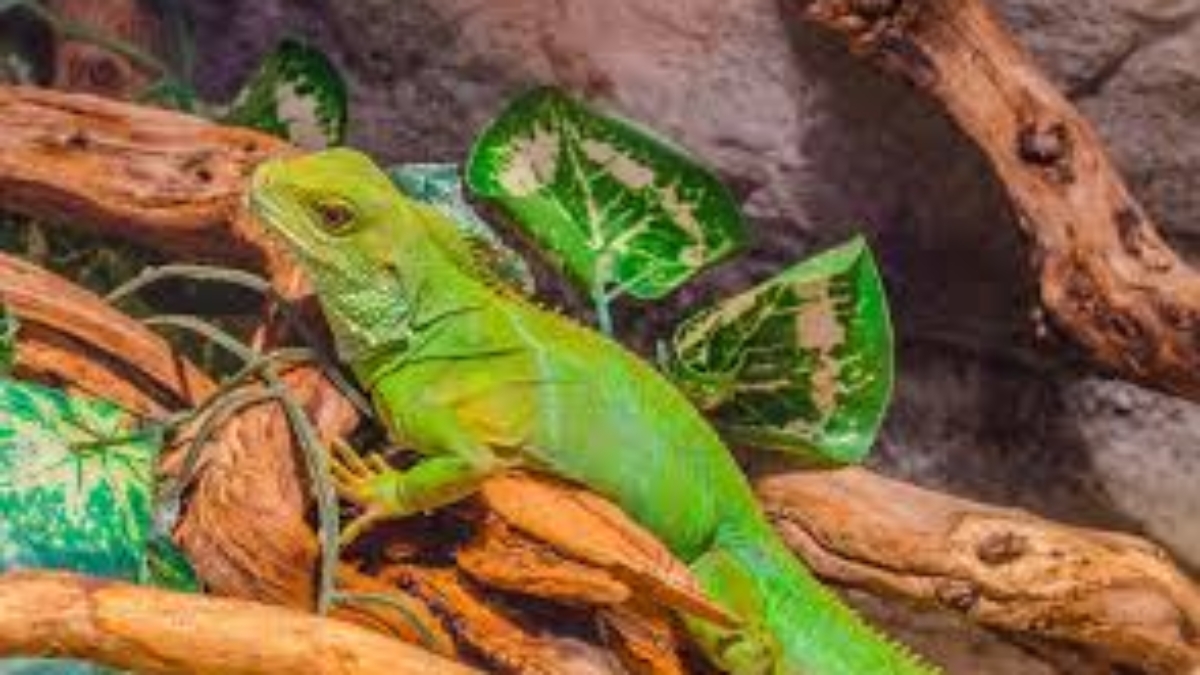
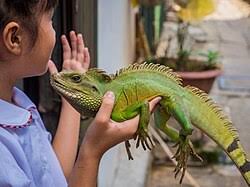
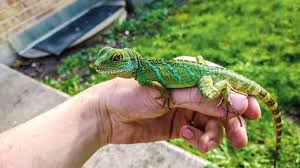
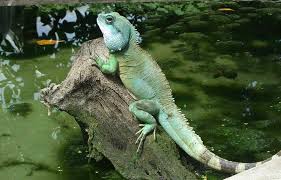
Chinese water dragon is a strange type of lizard that if gets frightened has a tendency to run for water. They can dive and make about thirty minutes under the surface of the water. They have bright green color and they are stripetail.They are usually 3 feet long. Chinese water dragons can be dark or light green.Chinese water dragons range from dark to light green. They have green or turquoise vertical, diagonal stripes on their bodies. Their bellies are white or pale yellow and their throats are a mixture of yellow, orange and peach. The long tail is narrow and made of green and brown.

Chinese Water Dragon Behavior and Temperament

These lizards are one of the friendliest species. In general, they enjoy handling.You need to handle them often to keep them calm. If they are scared, they might bite their tail or act aggressively.

.If the Chinese water dragon is scared or feels threatened, it may bite its tail or lash out. They are quite active in their environment and like to climb on rocks, trees, branches or plants. They are also good swimmers and are happy when there is water in their wall as well. Chinese water dragons are social animals. They thrive in captivity when they are in pairs or groups.

Activities of Chinese Water Dragons

Chinese water dragons are lively and curious reptiles that thrive in semi-aquatic environments. They excel at swimming, diving, and hiking, requiring each water and vertical area in their habitat. Basking below a warmth source is important for his or her temperature regulation and digestion. Their weight-reduction plan includes bugs, small vertebrates, and various fruits and greens. Although usually solitary within the wild, they can coexist in captivity if added well. They periodically shed their pores and skin, which is aided by using retaining proper humidity. Providing a various and enriched environment facilitates preserve them healthful and inspired.

Housing the Chinese Water Dragons

Chinese water dragons come from very warm environments so they struggle with the cold climate in the UK and need heat and light to thrive.

Small dragons can feel exposed and scared in large open spaces so we make sure to include lots of decorations. Finally, give calcium with vitamin D3 every other meal, and give a vitamin and mineral supplement once a week. Do not give them together.

Heating and Lighting for Chinese Water Dragons

Gastrotheca earth colouration should seek shelter in warm areas in their space. Place a lamp which is a basking lamp at one end in order to warm it to the 32-35℃ (90-95℉) range.Use a thermostat to keep this temperature steady. Turn the lamp on for 10-12 hours each day. The other end of the enclosure should be cooler, at room temperature.

Nighttime and Monitoring

At night, turn off all lights. Place a ceramic heater on the warm end to keep it at 27℃ (80℉) while the cool end drops to room temperature. Use a timer to control the UVB light and basking lamp. The ceramic heater should run all the time but will only heat if needed. Check temperatures with thermometers. A slight temperature change is okay, but keep the cool end cool. Digital thermometers are more accurate than dial ones.

Humidity

Provide a large water dish with fresh water for your dragon. Make sure the dish is big enough for swimming and sleeping. If the dragon turns dark green or brown and appears lifeless while drowning, it may hold its breath for up to 25 minutes. Change the water daily and clean the bowl weekly to prevent bacteria build-up. Maintain humidity at about 80% or by using an automatic mister, such as the Exo Terra Monsoon or Zoo Med Reptifogger. For swimming, use a bathtub or kid pool if the dragon is used to it from a young age. Daily misting plays an important role in care for a Chinese Water Dragon.

Chinese Water Dragon Diet and Nutrition

Chinese water dragons eat crickets, mealworms and small feeder fish, with adults also enjoying pink mice. To keep them healthy, feed insects every 2 to 4 weeks and avoid wild insects and fireflies.Also, offer well chopped green and other root vegetables like the collard and sweet potatoes further include a restricted quantity of fruits like the strawberry and mangoes. From birth till 2 weeks old feed the dragons daily, starting from 2 weeks and up to 2 months feed the dragons every other day From 3 months old till adulthood feed the dragons 2-3 times a week. They have to adjust on the size. Finally, give calcium with vitamin D3 every other meal, and give a vitamin and mineral supplement once a week. Do not give them together.

How to train your dragon 

To train your dragon first you need to encircle it where it is able to see what you are doing and then at the same time pull food inside.Talk to the dragon so that it becomes familiar with your voice. Do things nearby like changing the water or cleaning, but avoid touching the dragon. This helps the dragon get used to your presence. Dragons respond well to food, so if they perceive you as a source of food, they will trust you more quickly. Once the dragon starts coming to you for food, start catching it gently. Training can even take several months and with time your dragon will be comfortable to sit on your shoulder or even on your head. 

Conclusion:

To ensure that you properly care for the Chinese water dragon then you have to provide for their needs. It means they require warm, bright and, relatively humid conditions in their natural environment.Their home should be big with lots of branches and plants. Feed them insects, vegetables, and sometimes fruits. Use supplements to keep them healthy. Be patient when handling them.It takes time before they capture the energy that you bring along with the confidence that you exhibit. Like any other pet, Chinese water dragon needs proper care and with that your pet will live long and happily.