
The Dangers of Keeping Exotic Pets Such as snakes, big cats, and monkeys are dangerous. These animals have complex needs that cannot easily be met in their enclosures as in the wild. There are times when owners do not possess the expertise to take proper care of them, resulting in the animal’s suffering. Some pets that people like to keep are dangerous and may cause diseases that affect the whole community, moreover; they are not easy to tame, and they may cause harm to humans. Other elements include Legal and ethical issues that augment the issues. All in all, one can argue that the confinement and possession of exotic pets pose a threat to both the pets and everyone in the vicinity.
While reacting to the news, different researchers said that There are health consequences for people of have exotic pets due to exposure to zoonotic diseases and when these pets are set free, they have implications on the ecosystem. In addition, many exotic pets need specific care that often causes the welfare of the animal to be compromised. Some of them can also become a potential danger to their owners and other persons.

The risks associated with exotic pets are transmitting diseases such as salmonella and rabies as well as being dangerous due to their unpredictable nature. These needs are often unfulfilled in captivity which results in negative impacts on their health. The black market in pets also threatens species and habitats, and species and ecosystems are threatened.
Dangers of Owning an Exotic Pet
Here you know about owning The Dangers of Keeping Exotic Pets:
- They Don’t Adjust Well to Captivity
- Unpredictability
- Health risks
- Hard to properly care for
They Don’t Adjust Well to Captivity
Wild animals freely move in large regions in the wild but when in captivity they are restricted to small spaces. Owners interfere with the natural behavior of the animals so that they may be chained or locked in small cages. They may beat, declaw, or remove the animal’s teeth to force submission. These harsh actions often lead to frustration and aggression in the animals.

Unpredictability
Exotic pets present serious risks and act unpredictably. Monkeys may bite without warning, creating health concerns from disease. Big cats like lions, tigers, and leopards often catch people off guard and have escaped cages, threatening communities. Reptiles escape unnoticed, bite with venom, or strangle people, making them especially dangerous.
Health risks
Non-domestic animals can inflict physical harm; they also transmit motif infections to men known as zoonoses. Some of these diseases are Herpes B, Monkeypox, Ebola, and salmonellosis, and these diseases are few remedies and they can be hazardous. Animals like monkeys and reptiles can carry these diseases, so people should avoid any contact with them.

Hard to properly care for
As humans, we are concerned about the hazards that surround us; nevertheless, keeping exotic pets is equally risky for them. These creatures require highly specific care. They require particular housing and diets, which must be met on an ongoing basis. Neglecting anything will cause the animal to suffer.
The hidden dangers of owning an exotic pet
- Health Risks
- Legal and Financial Issues
- Behavioral Challenges
- Habitat Requirements
- Ethical Concerns
- Emergency Situations
What types of animals make good pets?
- Dogs are Loyal, protective, and friendly. Require time, training, and space.
- Cats Easy to care for
- Fis is Quiet and easy to care for.
- Birds are Intelligent and social Require attention and space to fly.
- Small Mammals Rabbits, hamsters, guinea pigs Low maintenance, easy to handle.Requires minimal space and care.
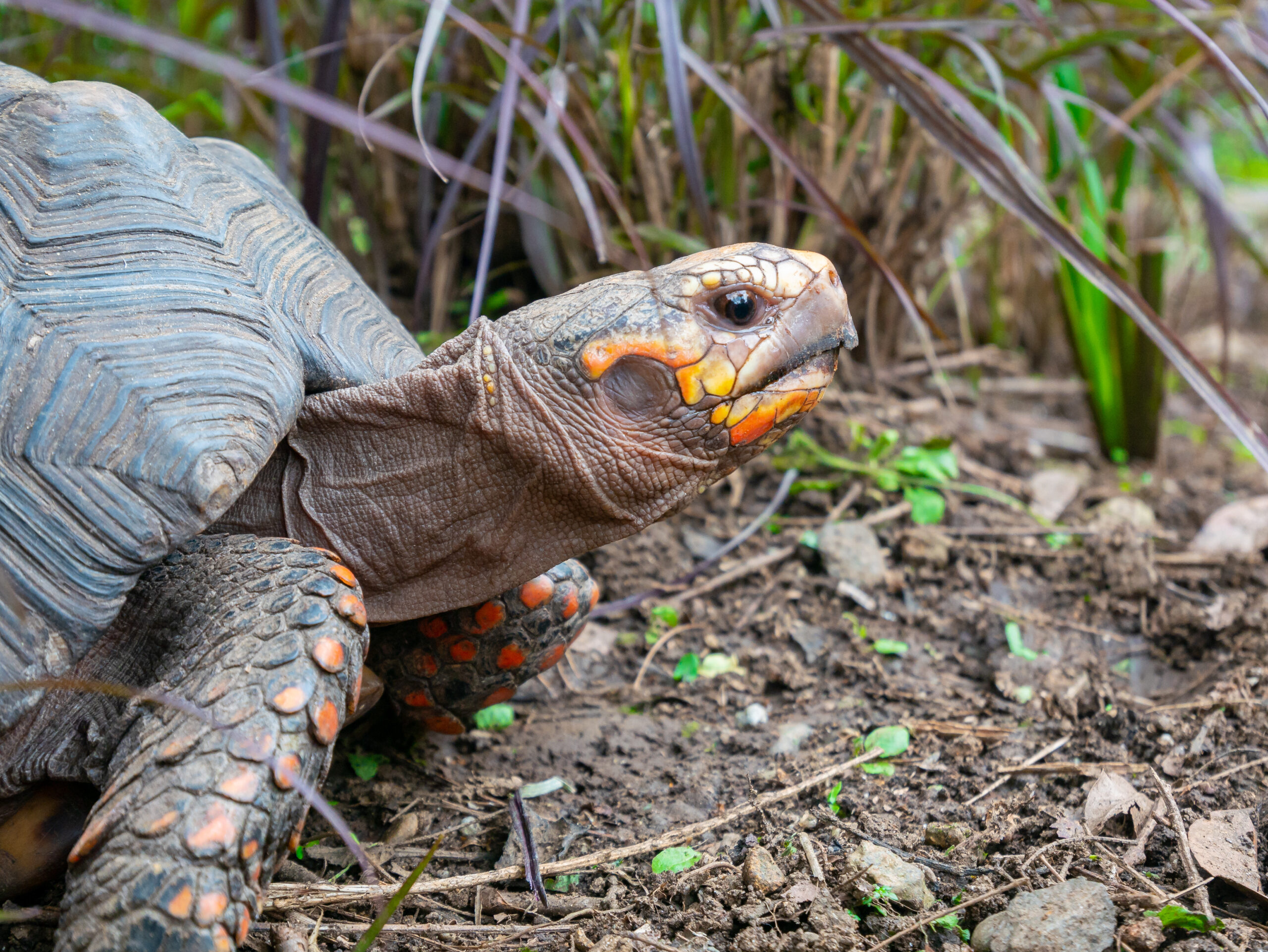
- Reptiles Turtles, lizards, and snakes are Unique, quiet pets. Need specialized environments
- Insects/Spiders Tarantulas, ants, praying mantises Easy to care for. Offer a different type of pet experience.
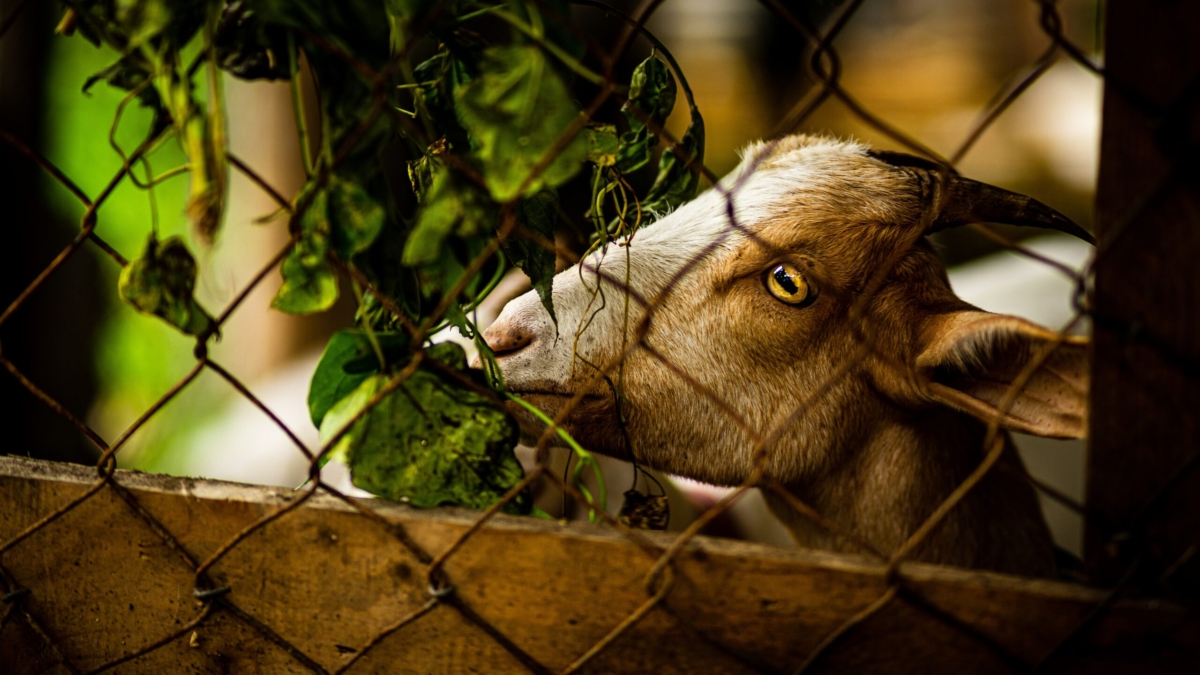
- Farm Animals Chickens, and goats can provide food and companionship. Require outdoor space and specific care.

Legislation Affecting Possession of Unique Domesticated Animals
Federal laws in the United States, along with the laws of different states and local communities, regulate the sale and possession of exotic animals in different ways depending on the place, community, or type of animal. While these rules are in force, owners of exotic animals must follow all federal, state, city, and county laws.
Federal Laws
Three federal laws govern exotic animals: the Endangered Species Act, the Public Health Service Act, and the Lacey Act. However, these rules largely govern the entry of exotic animals into the United States, not their private possession.
State Laws
- Some states ban ownership of large cats, wolves, bears, primates, and dangerous reptiles.
- Some states ban only certain animals.
- Others require owners to get a license or permit.
- Certain states ask for documents like vet certificates or proof of legal purchase.
Local Laws
Many towns and counties have enacted more draconian ordinances than the state statute. In general, the City or County Council has determined that possession of certain exotic species poses a serious threat to the health, safety, and welfare of the community’s residents as a result of a recent attack in the area, an escape, or by the animals’ physical characteristics and natural behavior, and thus adopts an ordinance regulating or prohibiting private possession.
What to Do for Exotic Pets
Here are some tips for The Dangers of Keeping Exotic Pets:
- Don’t buy exotic animals as pets for the sake of animals and your health.
- Report any abuse or poor conditions of exotic animals to animal control.
- Educate others: write a letter or share information with friends and family.
- Support laws banning private ownership of exotic animals.
- Check your local regulations. If none exist, urge officials to introduce legislation.
Conclusion
Keeping exotic pets is risky. These animals have special needs that are hard to meet at home. They can spread diseases and act unpredictably, creating danger. Poor care and mistreatment often harm them. Laws about owning exotic pets vary and often lack strength. To protect everyone, avoid keeping exotic pets. Support stronger laws and report any abuse. Educate others to help stop the exotic pet trade. So, here you learned about The Dangers of Keeping Exotic Pets.
Add a Comment